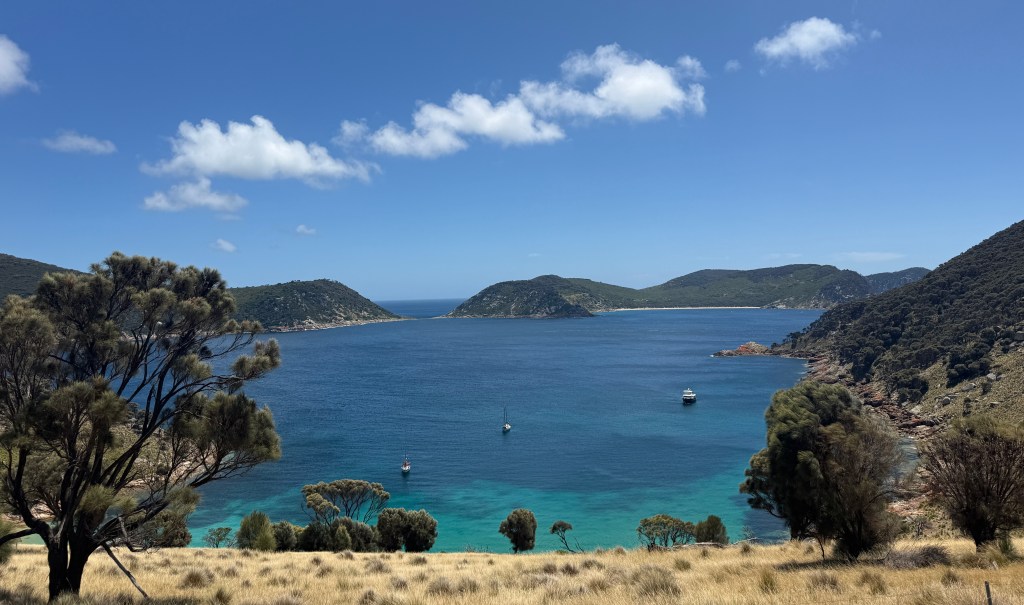
Having arrived at Deal Island, Cara and I had a couple of days before the next weather window that would allow us to cross the second half of Bass Strait to the Australian mainland. So, we set out to explore Deal in the time available.
Deal is the largest island in the Kent Group, Tasmania’s northernmost national park, and incorporates 29,000 hectares of marine reserve. To visit the island you have either to sail there, or you can apply to go there as a volunteer caretaker.
Whilst in Hobart, we had met a nice couple in a marina who were about to start their volunteer stretch on Deal. The caretakers are responsible for conservation management, which includes weed control, fauna surveys, maintenance of the historic lighthouse and heritage buildings, and visitor management. Unfortunately, we didn’t manage to get to Deal in time to meet our friends there, but we had a nice talk with the new couple. They told us that the Parks Department interviews for sufficient couples to cover a three year period at a time, this saves admin fees and there is never a shortage of volunteers. When beginning their stay, the selected lucky couple are flown onto the island with everything they think they might need for their entire stay: all their food, linen, entertainment and hobby supplies. A weight limit is stringently applied due to the limited size of the plane that can land on the island. It sounded like all the fun of living on a small boat — but with a lot weeding, strimming, and mowing thrown in. The joy of the role didn’t quite resonate with me, as surely one of the best things about living on a small boat is the fact that you don’t have to do weeding, strimming, and mowing!
East Cove, which is where we were anchored, is perhaps the best anchorage from which to explore the island.
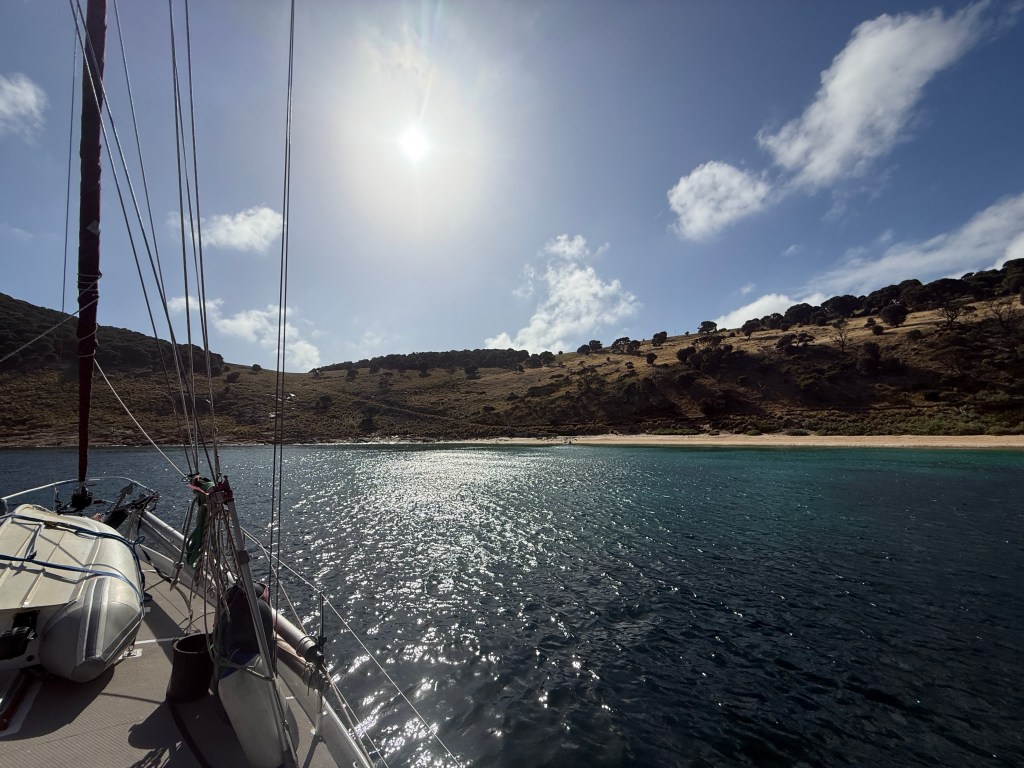
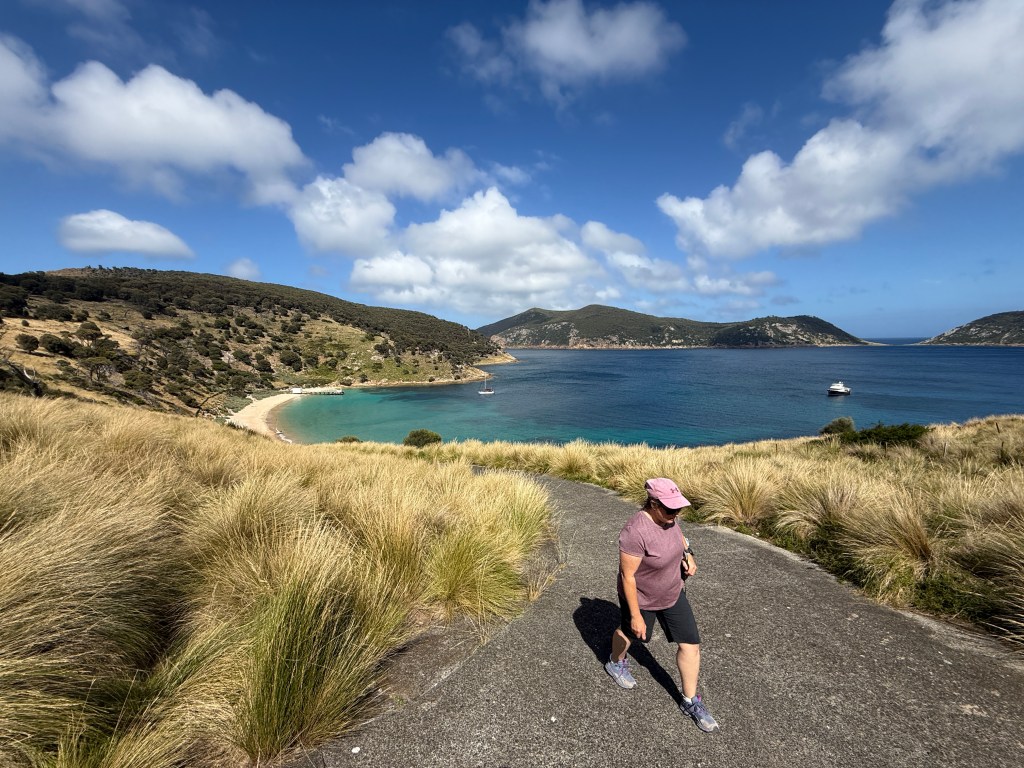
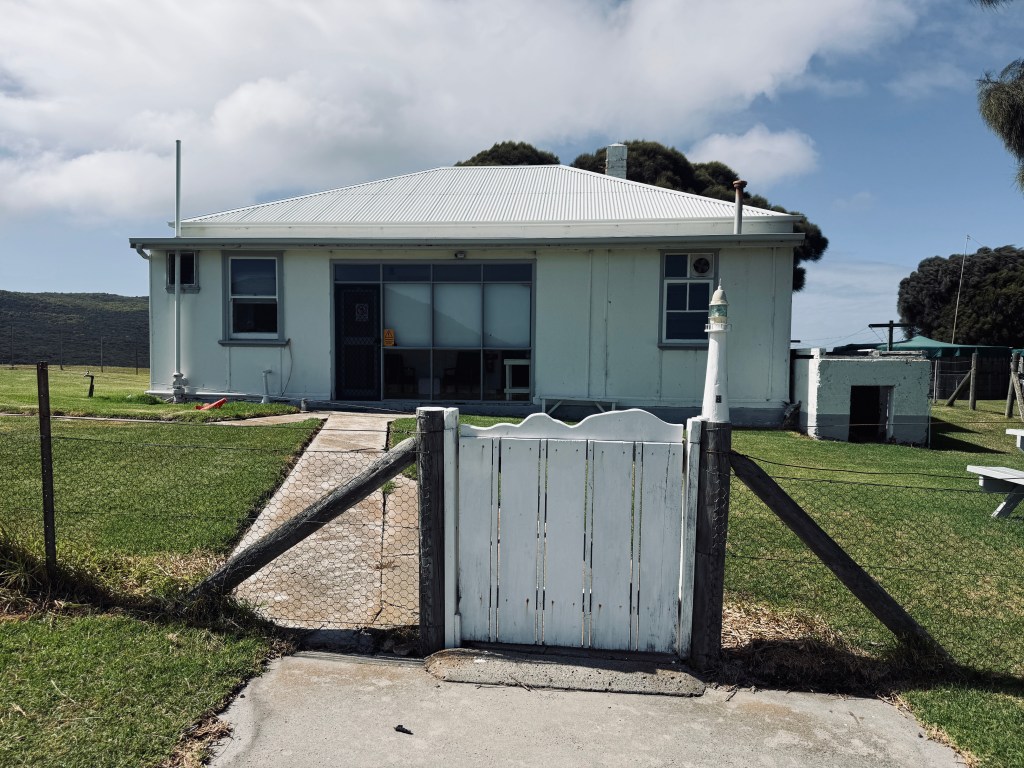
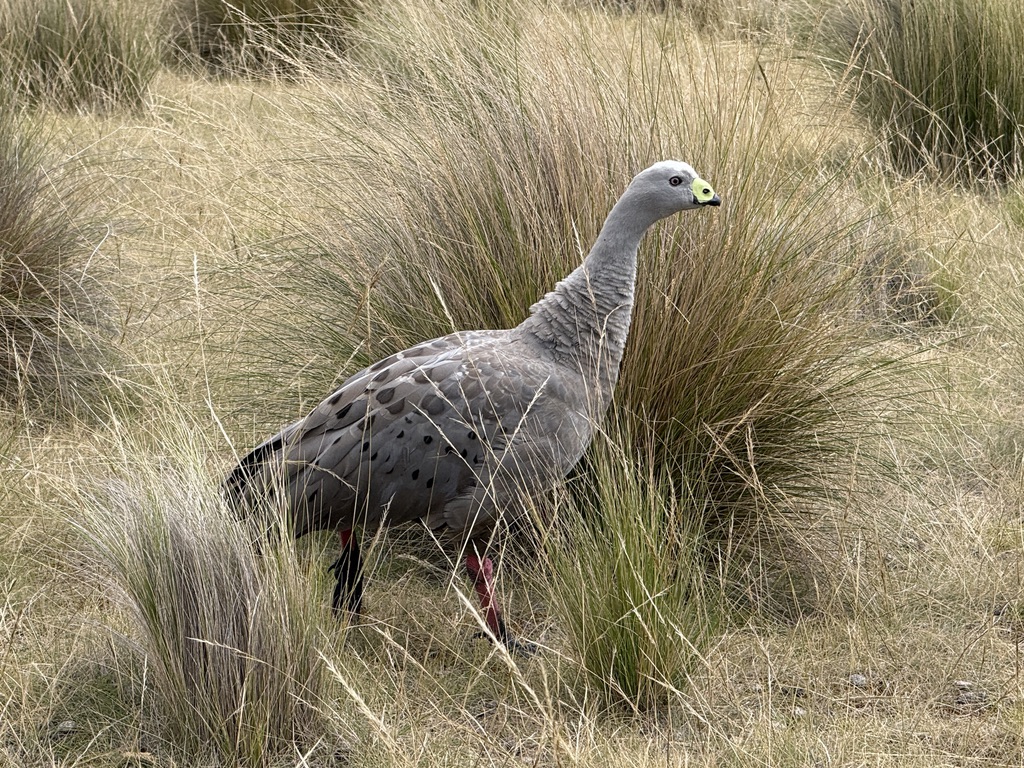
From the beach a steep concrete path leads to a fenced area that is kept manicured by tame wallabies and Cape Barron geese. In this precinct can be found a small museum, the old lighthouse keeper’s cottage, and the cabin occupied by the island’s caretakers.
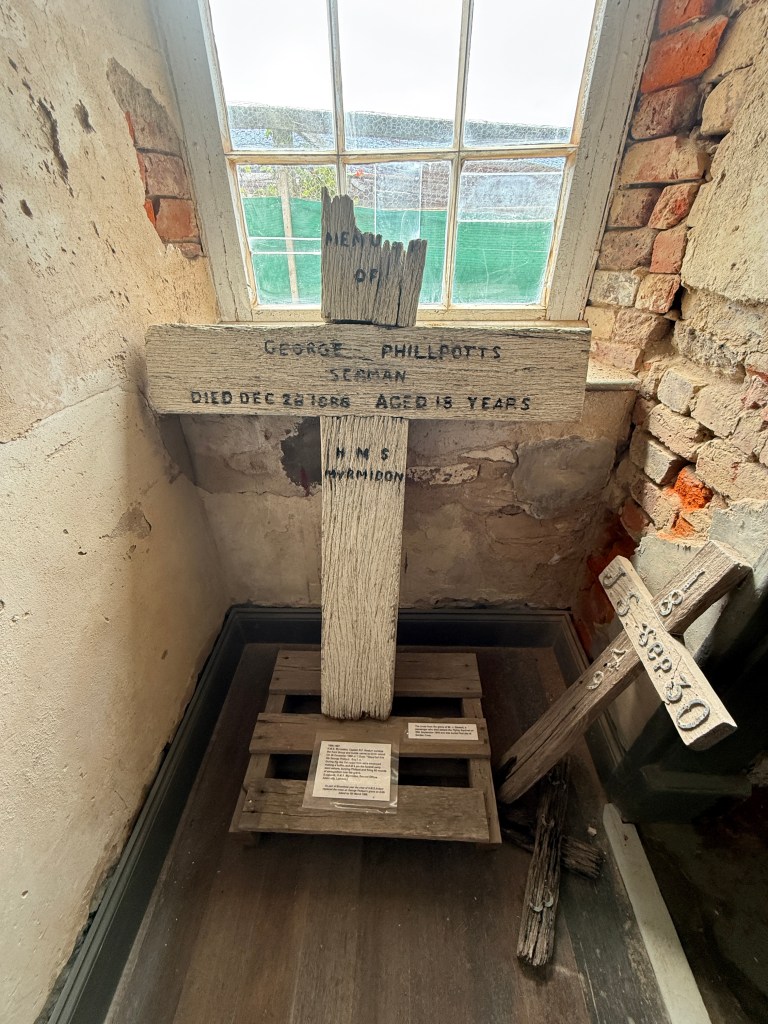
As you might expect of a small island museum in the middle of Bass Strait, many of the exhibits related to maritime disasters and ship wrecks.
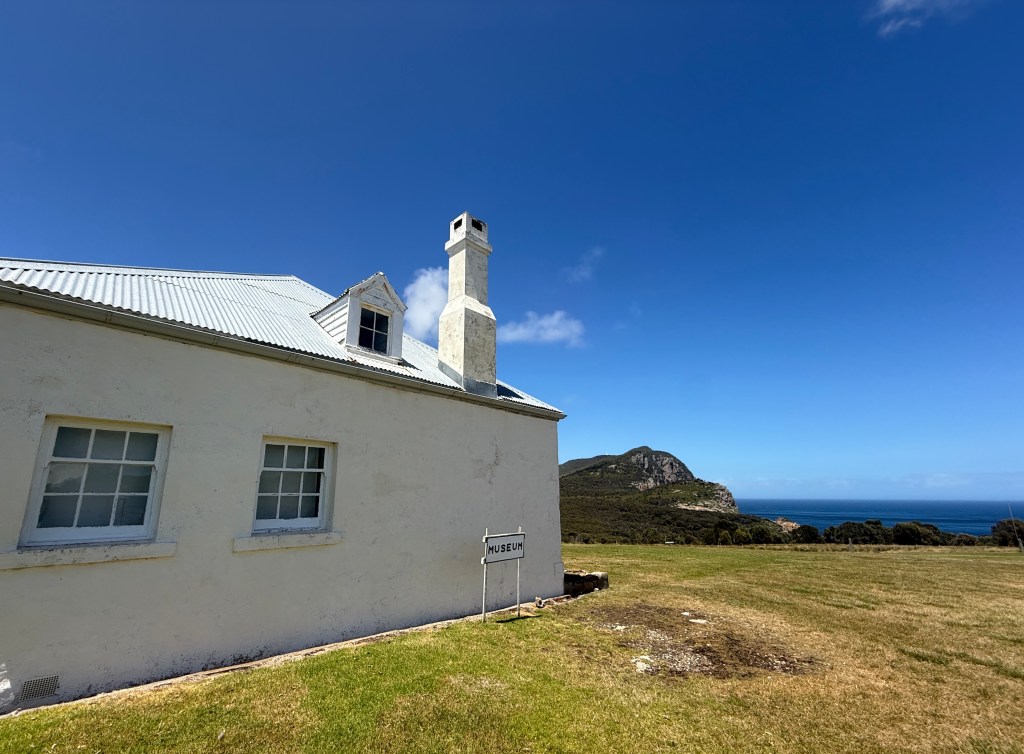
The real magnet for those that visit Deal is the isolation and wild scenery, and from the caretaker’s cottage there are a number of tracks that you can take to various coves, beaches, and scenic spots. Feeling ambitious, we chose to walk to the lighthouse, which we could just see from the museum, a 6 kilometre round trip. In the photo below the lighthouse is just to the left of the highest point visible.
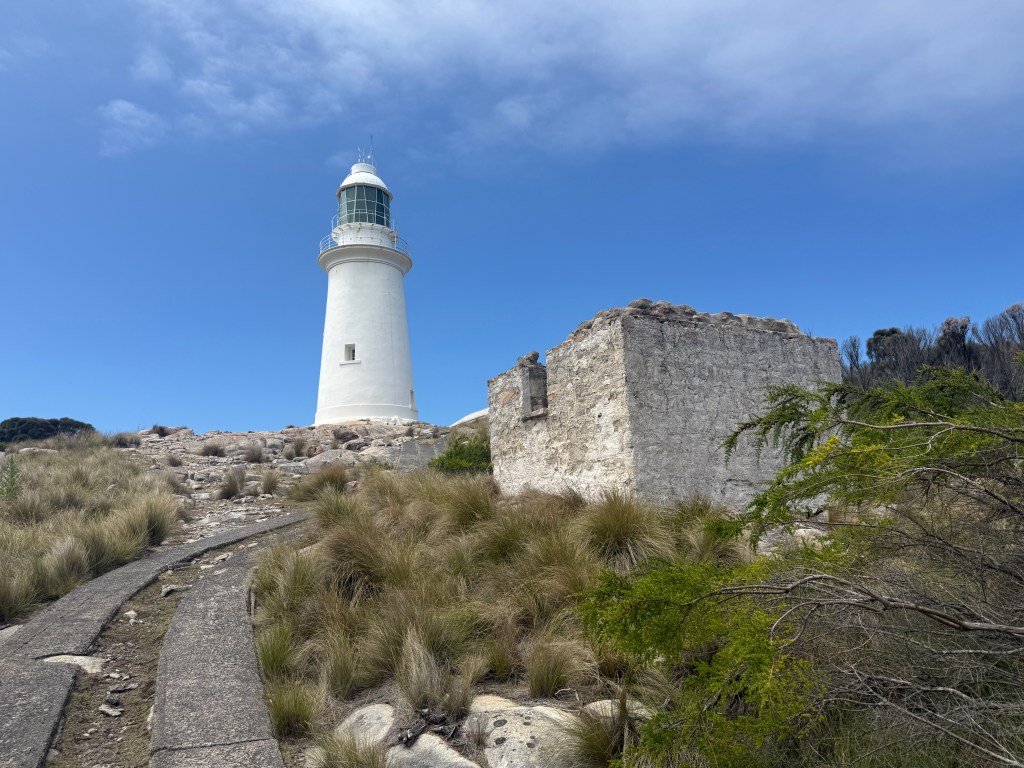
The lighthouse, built in 1848, was once the highest in the southern hemisphere, sitting some 305 metres above sea level. The elevation meant that on a clear night the lighthouse’s signal could be seen as far away as Wilsons Promontory, some 75 kilometres to the north. However, the height also created unexpected problems, with the light often being shrouded by low cloud.
The walk is a pretty pleasant stroll through forest and bush, though steep at the end (as advertised). It’s a shame you can’t enter the lighthouse as the views would be incredible from the top, a 360 degree vista across the island and out to sea. Abandoned in 1992, it was possible for visitors to climb to the top in its early years of retirement, alas a lack of maintenance means that the door is now locked for safety reasons.
A further 400m walk from the lighthouse brings you to the site of a WWII RAAF accident site. Beware if you found the climb to the lighthouse hard — the 400m is straight down and the return straight up!
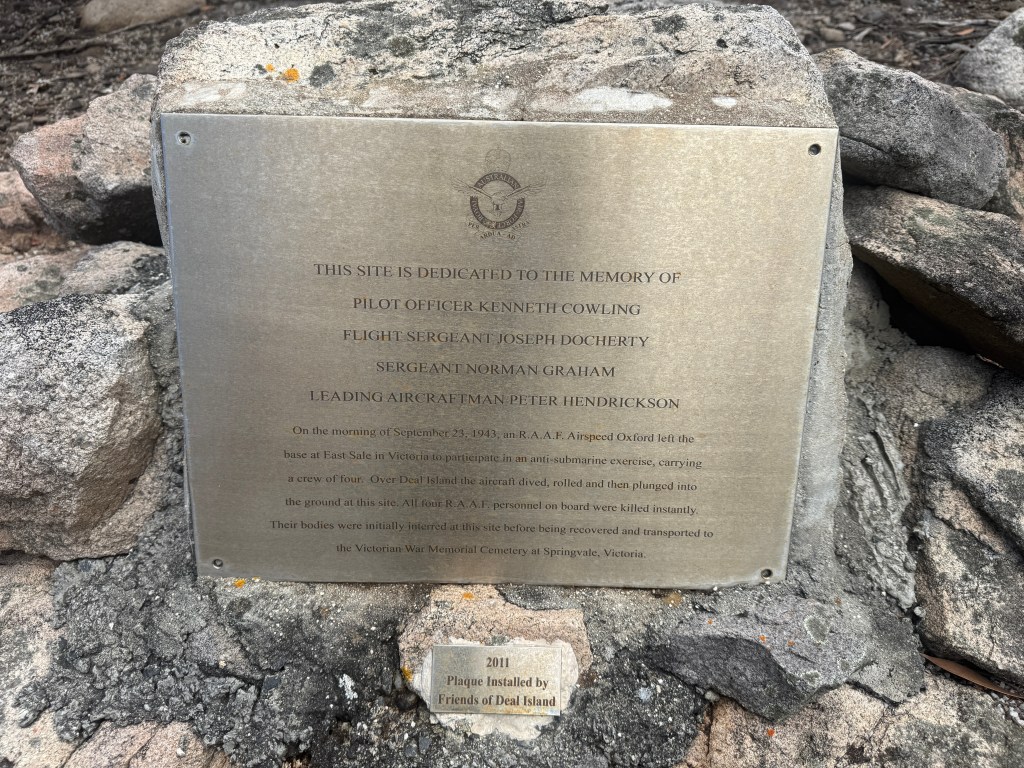
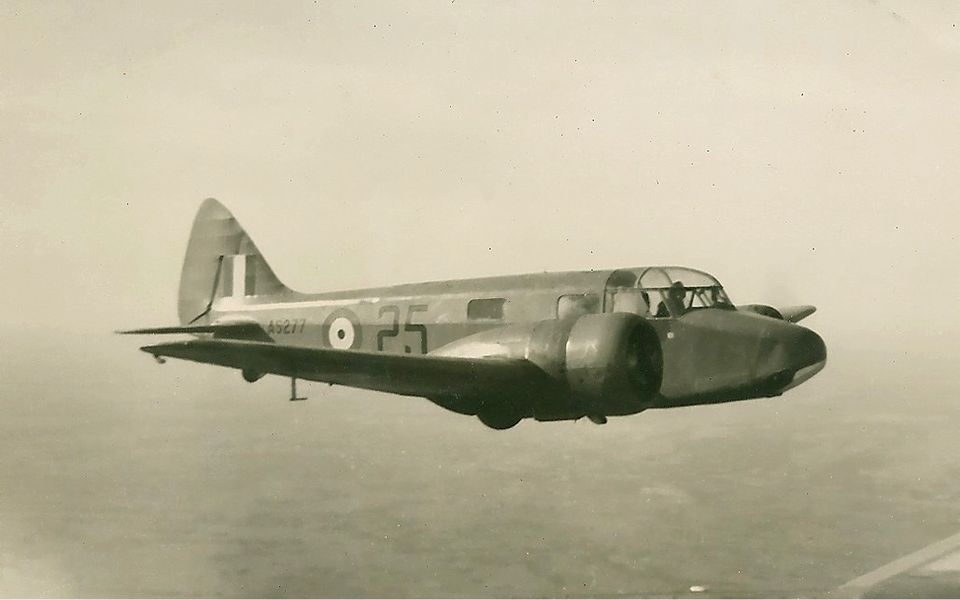
The crash was witnessed by the light house keeper, Henry Ford, who saw the plane suddenly do three or four rolls, straighten out, and then dive at an acute angle from 1000 feet into the granite cliffs of the island. All four crewmen were killed instantly.
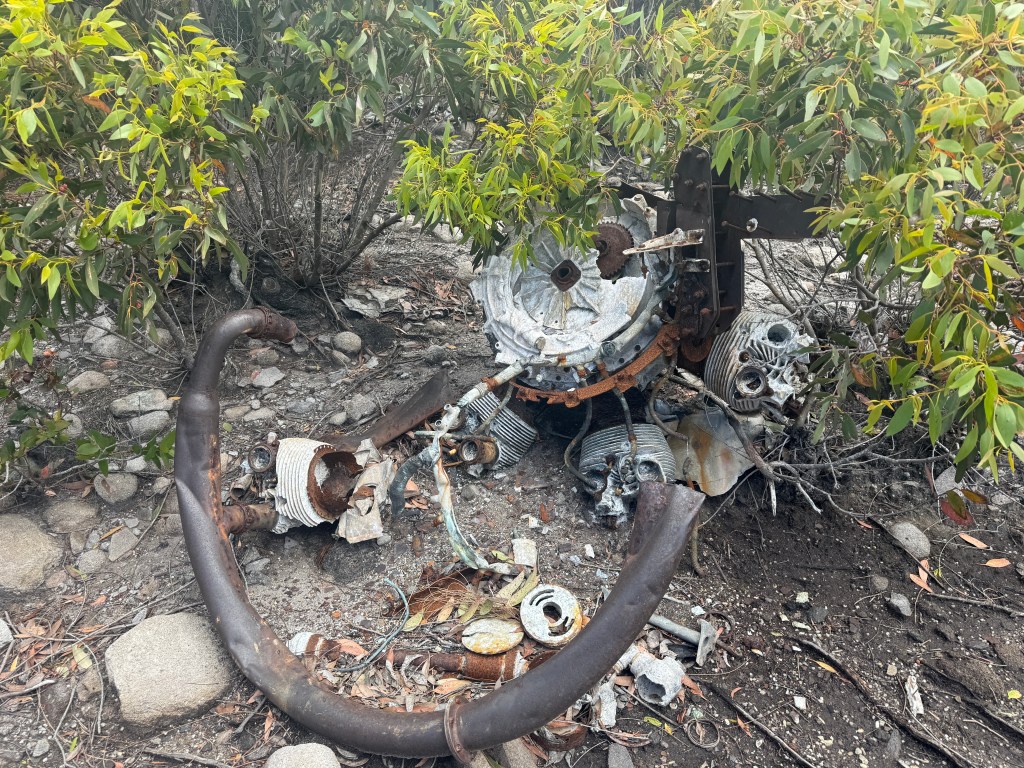
Wreckage from the plane can still be seen today, along with a plaque that records the names of the men and the bare facts of what happened. Not far away is a cache with a document showing where the men were initially buried before they were exhumed and taken to a military cemetery in Victoria. The cause of the accident is still unknown, but one of the leading theories suggests that strong wind currents forced the plane down.
We returned to Taurus and were later invited over to Blue Affinity, a 65 foot launch anchored nearby, for sun-downers. We should have known that it would be a big night when the skipper Mick proudly informed us that he had ice, and definitely should have twigged when we discovered that Mick and his crew-mate, Dusty, were ex-Australian Navy Recovery Divers. Ex-members of the forces have a certain affinity for one another’s company, and you know that when you meet up a good night is in store, and it certainly was. After the gin and tonics we moved on to beer and then had to round off the night with a few glasses of wine. These were the produce of Mick’s own Western Australian vineyard, called ‘Bakkehia,’ so it would have been rude to say no. The night was topped off by a stunning Aurora Australis that saw us off to bed.
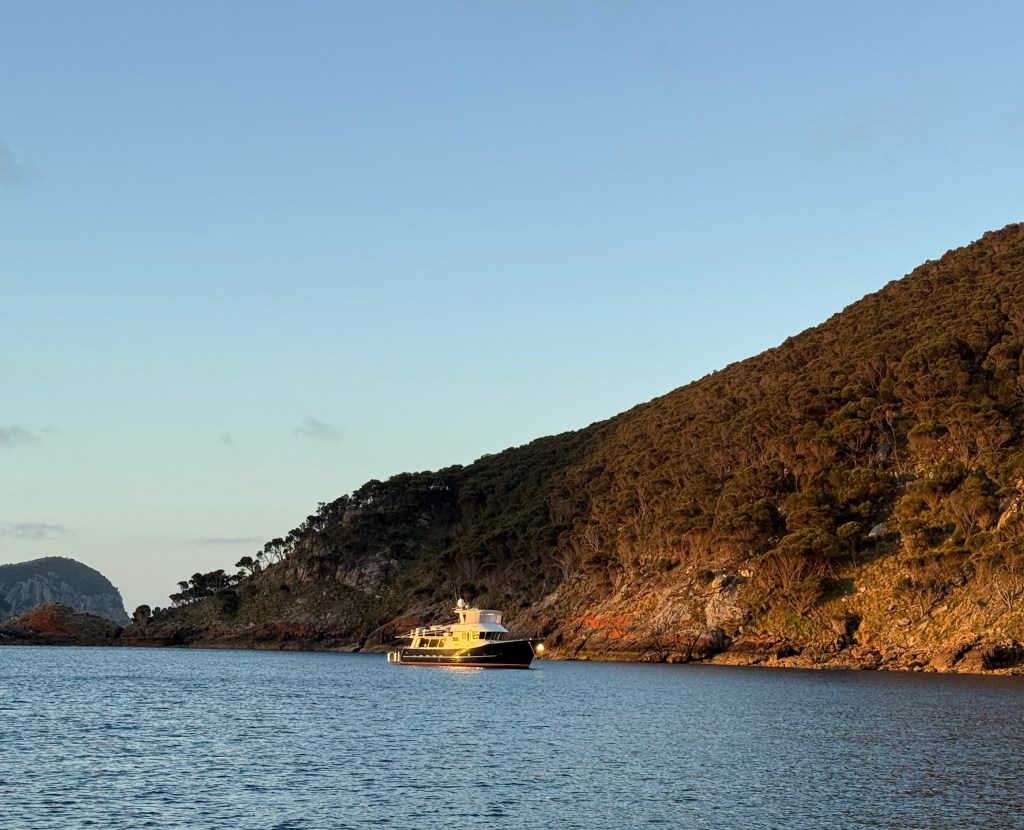
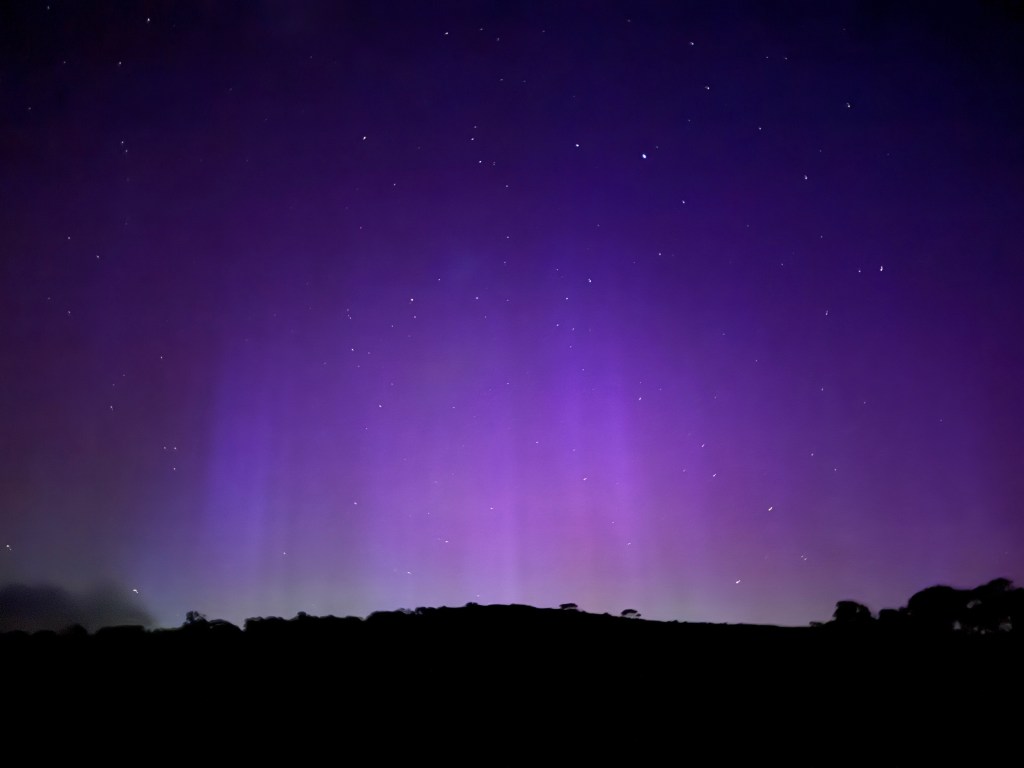
Incredibly, the boys managed to leave at 2am for the sail across the Bass Strait. Being a launch they wanted to make the trip with as little wind as possible, whilst we had to wait for the wind to fill in later in the day — which was just as well.
To speed our recovery we went for another walk, this time heading north to Garden Cove. We had intended to anchor here originally, but were glad we hadn’t when we saw the swell coming into the bay, and the boat anchored there rocking and rolling around.
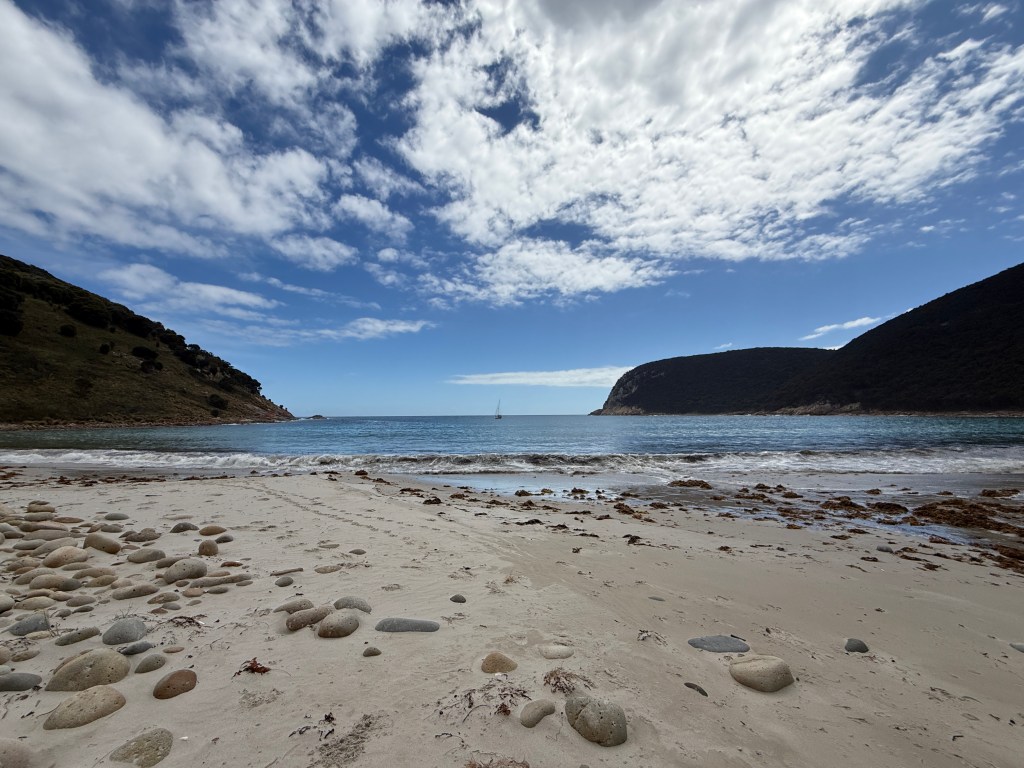
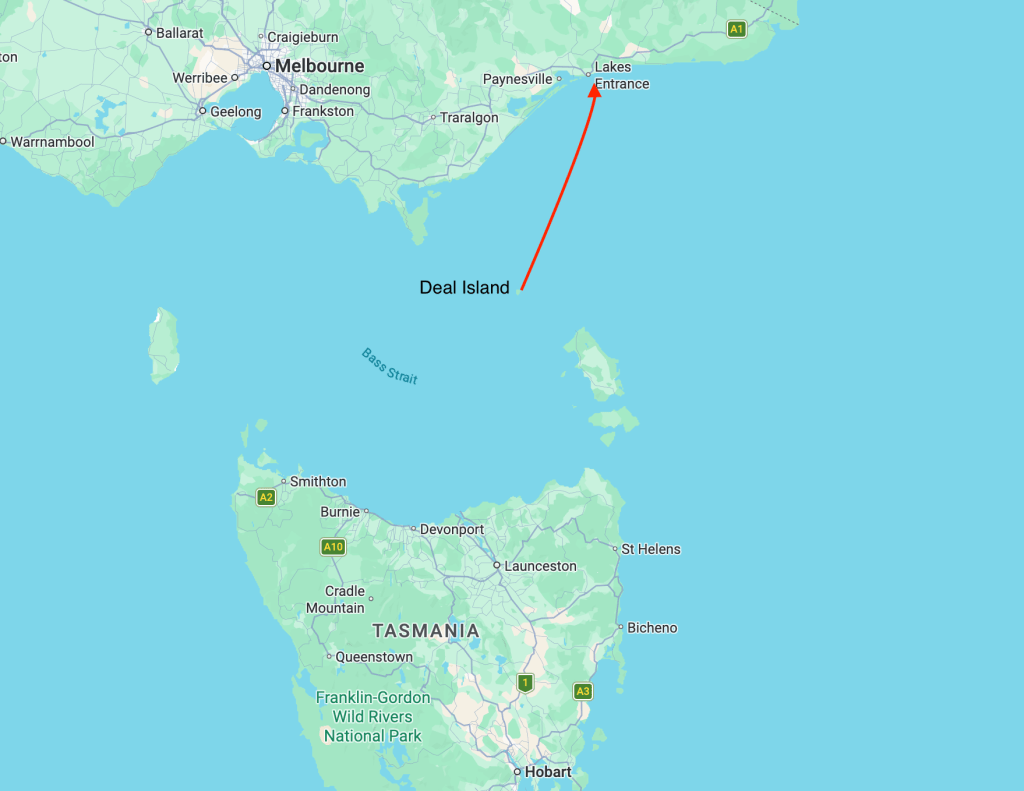
We returned to Taurus and got everything ready for our 100 nautical mile, twenty odd hour passage. We knew that we would have light winds to begin with, but that they would build during the evening with about 30 knots expected during the night. In case things got worse than predicted we had the storm jib ready to go, a habit that has proved its worth once or twice in the past. So, we were ready to go, and off we went…
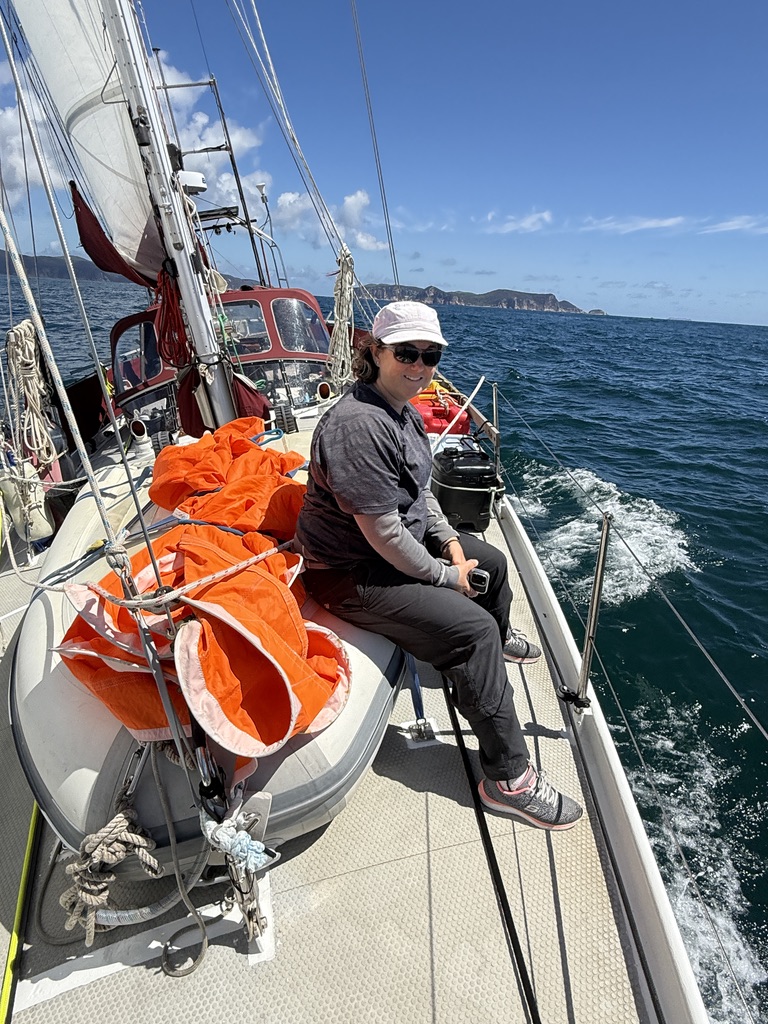
To give an idea of the experience I’ve added three videos of the crossing. In the first, we have just left Deal in winds slightly under ten knots. In the second the wind has picked up to about fifteen knots, and in the third the wind has risen to just over twenty knots. As predicted, the wind got a little stronger during the night, with the strongest gust about 35 knots, but it was dark, so there wasn’t much point trying to video the conditions.
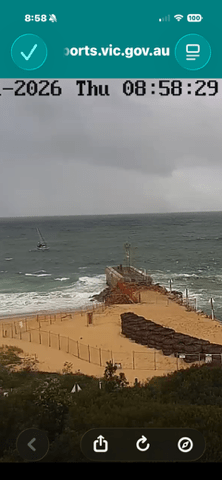
We had timed our departure so that we would arrive at Lakes Entrance between 8 am and 2 pm on an incoming or slack tide. In the event we made the earlier end of our schedule, arriving at 8:30 am. The wind had dropped to about 25 knots from the sou’ west, so that it and the waves were travelling at a slight angle across the face of the bar. We lined up the approach markers and headed slightly left of centre of the channel that runs between the concrete walls projecting into the sea, to take into account the likelihood or our being pushed to the right by waves. The bar used to be fairly notorious and has claimed some 220 souls, but it has been radically improved over the last twenty years. Today, frequent dredging ensures that the minimum depth is about 7 metres, and the entrance is approximately fifty metres wide. We picked up a couple of decent sized waves, thankfully not breaking, as we lined up our approach to keep things interesting (just before Cara started recording the entry), but Taurus tracked through without any real drama.
The local sailing community has a pretty active Facebook group (“Sailing Tasmania, Bass Strait, and the Beautiful Gippsland Lakes”), and a member posted a series of pictures of Taurus from the live webcam as we made our crossing. Thanks to these, and the video that we later shared, we became what felt like minor celebrities for a few days. Everywhere we went people would say, “you’re the guys that did the bar crossing!” As is the way with sailors, everyone had an opinion on the wisdom (or not) of our decision. One old fisherman told us that he wouldn’t have attempted the bar in the conditions we faced, whilst others said it was a good day and we were lucky the weather had been kind to us. In the end, we were the only ones there to make the call, and entering seemed like a much better option that staying out. There is no shelter outside Lakes Entrance in which to try to anchor, so our alternatives were to motor in circles, hoping that the weather would improve, or continue for another twenty four hours to Eden. In the same circumstances I would definitely go for the bar again, it was a bit hair raising but fell short of actually being dangerous.
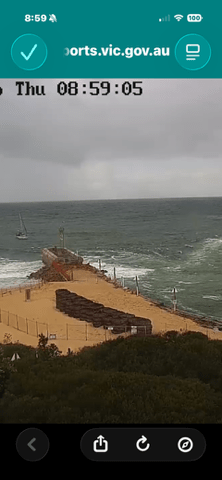
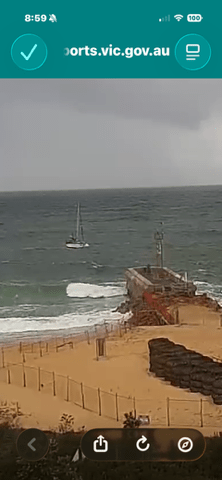
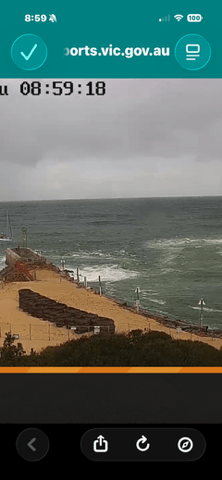
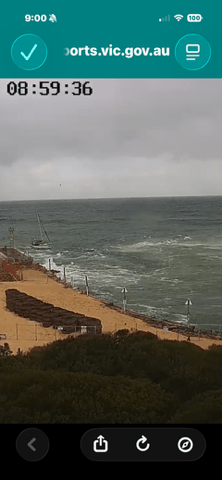
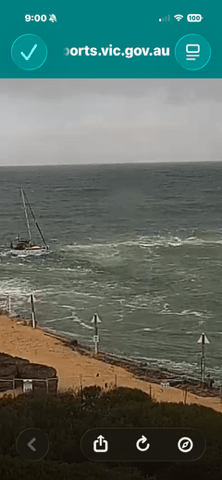
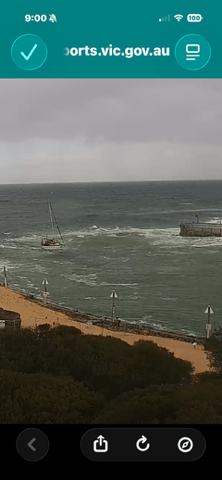
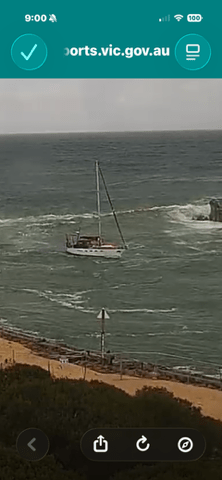
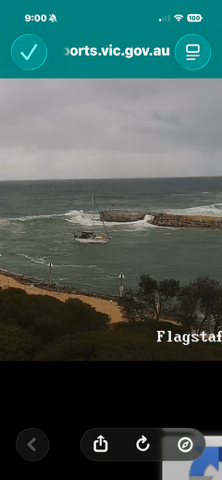
Having accelerated to power through the bar, and with the tide pushing us along, we found ourselves doing nine knots once in sheltered water. We turned to the right to enter a waterway that would take us to Lakes Entrance… and nearly ran aground. With no channel markers to guide us we relaxed a little too much and failed to check the depth on the chart. Luckily Cara was awake and turned the boat in time.
We moored up alongside a free public floating jetty, and Dusty from Blue Affinity appeared to catch our lines. Sadly the boys were about to leave, so we didn’t have time to catch up properly.
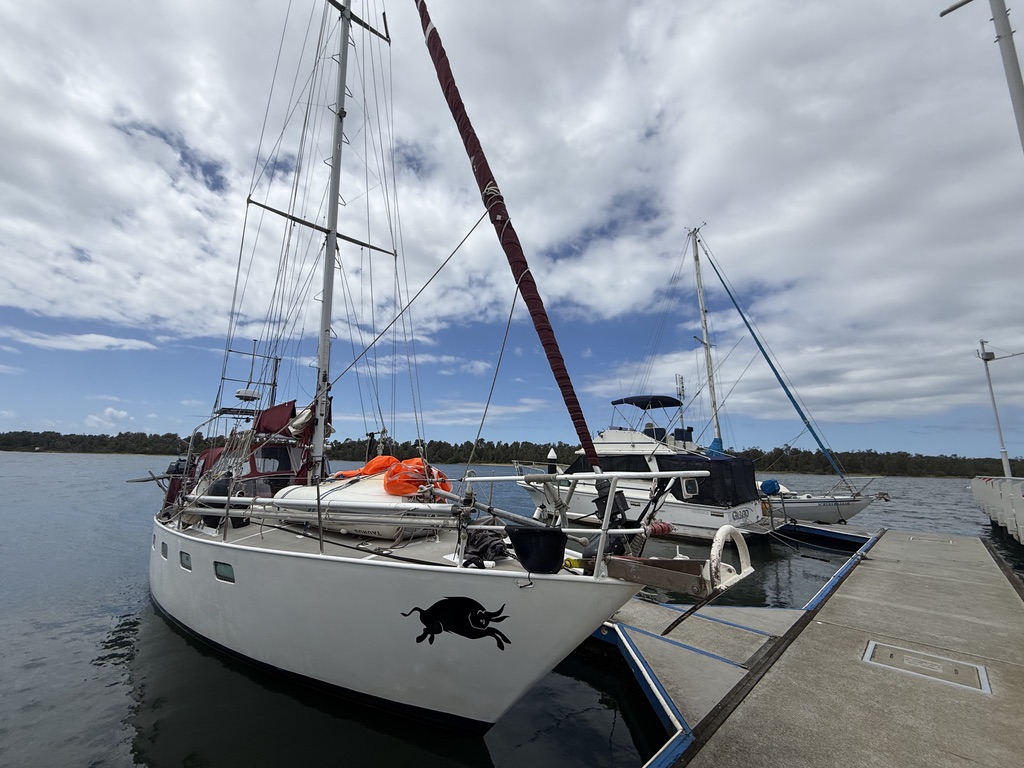
We were pretty tired after a bit of a bumpy crossing, but too wired to sleep and needed to stretch our legs. Then we fell in with a couple of Canadian cruisers and ended up at the pub. After winding down with a couple of beers and pizza it was time for a good night’s sleep.
Next time: exploring the beautiful Gippsland Lakes.


Leave a Reply