
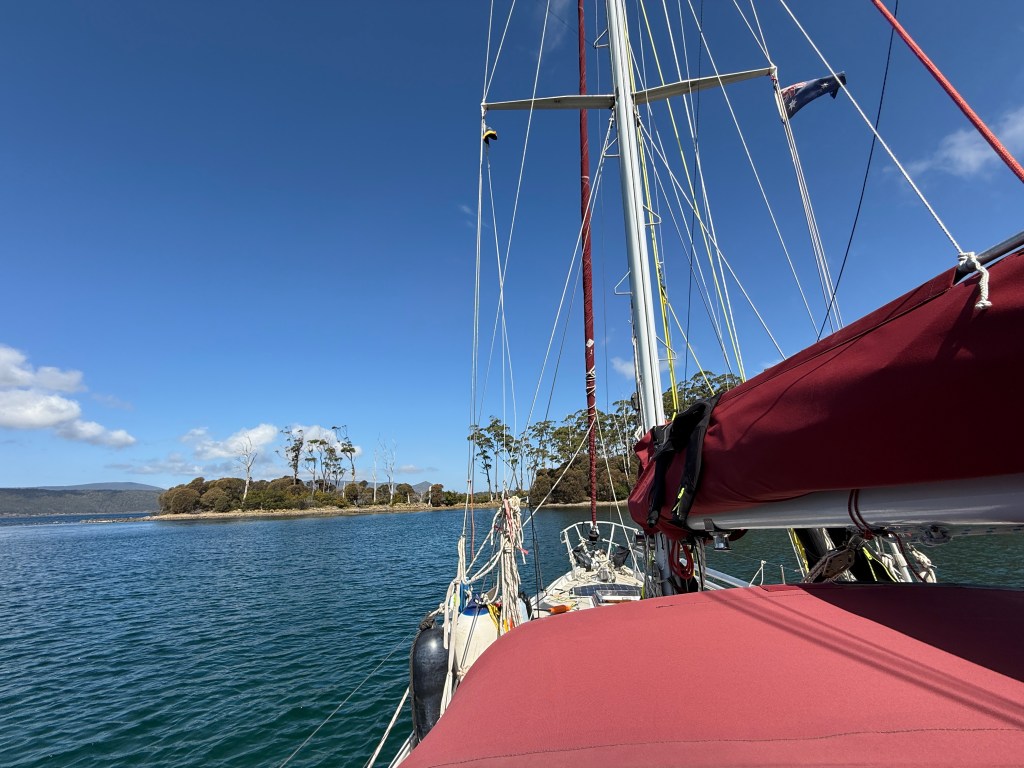
Having arrived in Tasmania it felt like we should take some time to relax and smell the roses a little. Bryans Beach is part of the Frecyinet National Park, the oldest national park in Tasmania having been created in 1916. The name of the park harks back to the early explorers of Australia. Louis Claude de Saulces de Freycinet (7 August 1779 – 18 August 1841) was a French naval officer who circumnavigated the Earth and published the first map to show a full coastline of Australia in 1811. In this achievement he was aided by the fact that Matthew Flinders, the first man to circumnavigate Australia, the first to discover that Tasmania is an island, and the man who actually came up with the name Australia, had been imprisoned by the French on his return voyage to England. Flinders, a Royal Navy officer subsequently spent the next six years in a French prison. C’est la vie as the French might say.
A short dinghy ride across the crystal clear water brought us to Bryans Beach proper, and there we found a path that led through the bush to Cooks Beach. In 1769 Captain James Cook anchored here to observe the transit of Mercury and carry out maintenance on his ship, Endeavour.

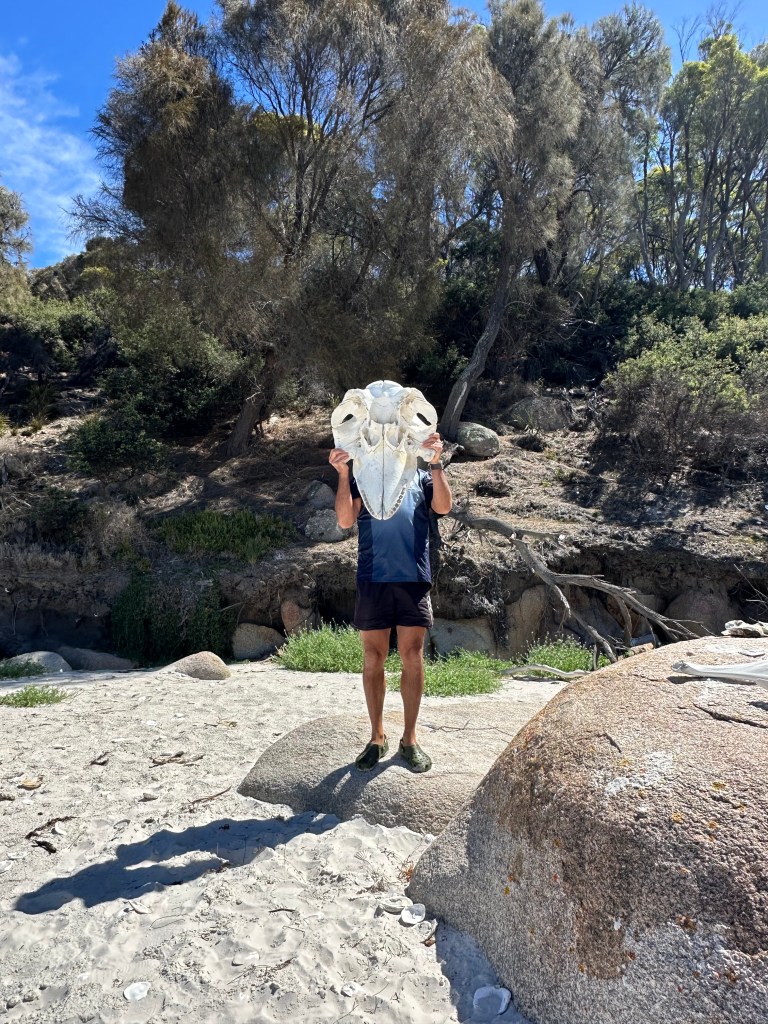
Cooks Beach remains almost exactly as Cook would have known it. The only modern additions are a small cabin, a toilet, and the odd independent camper walking the Freycinet Trails.
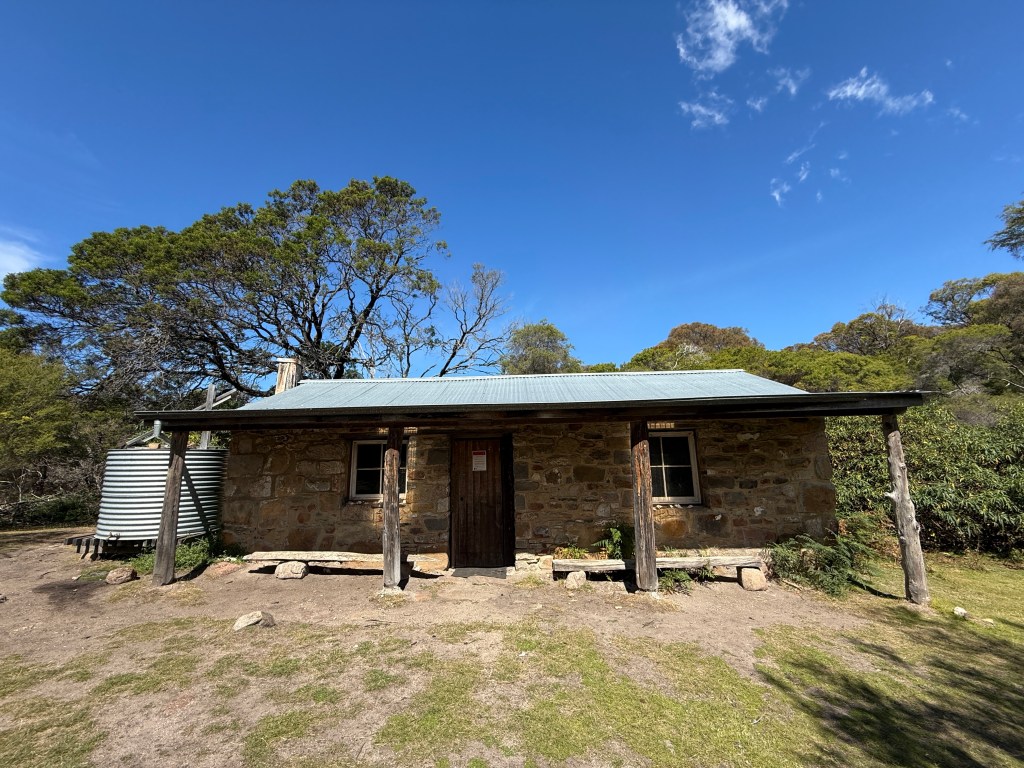
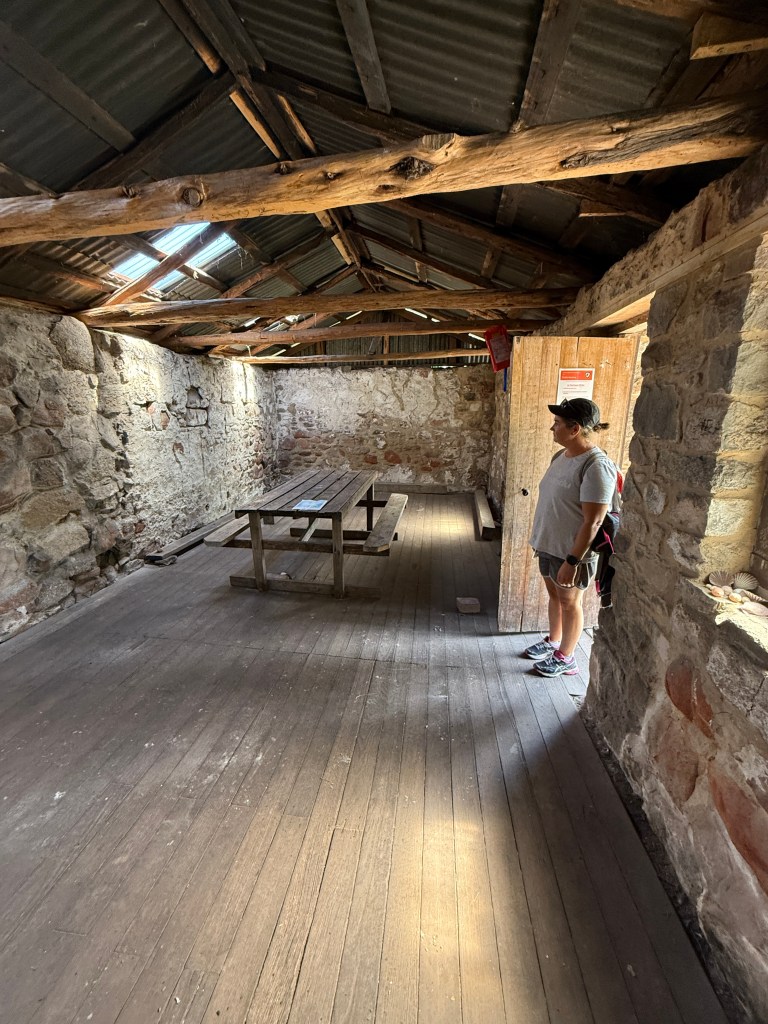
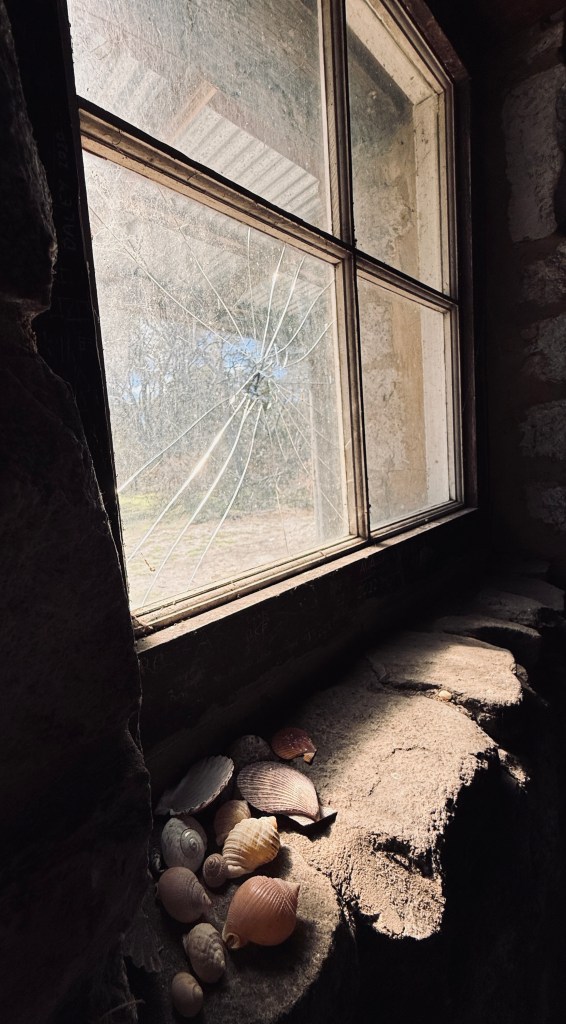
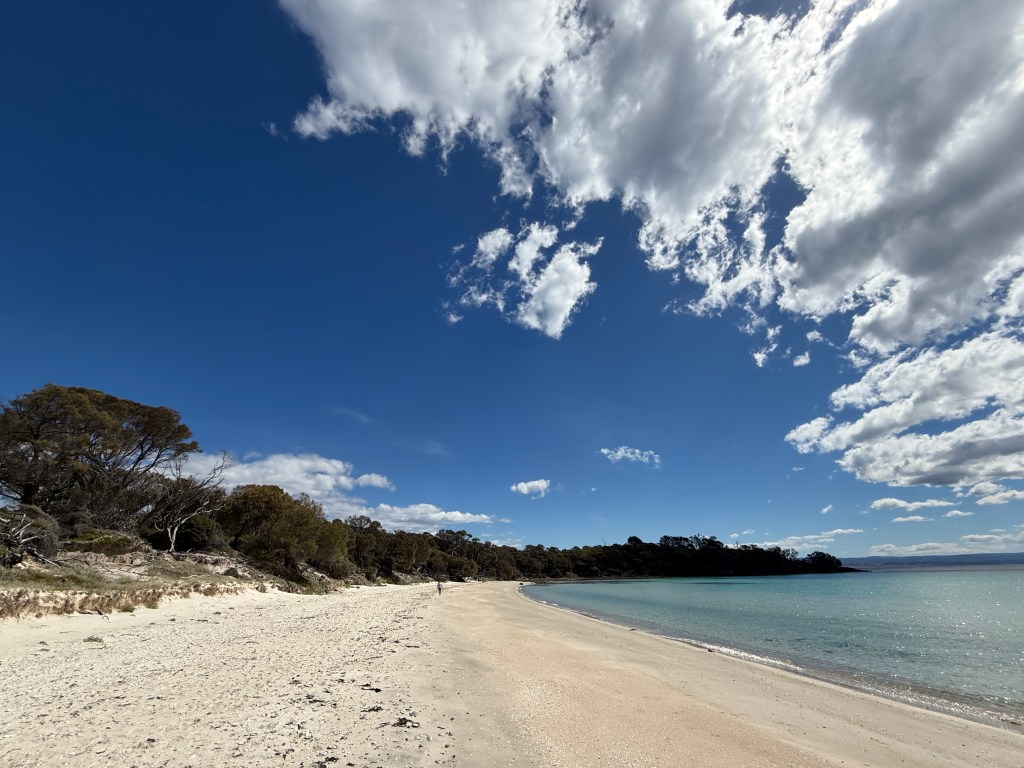
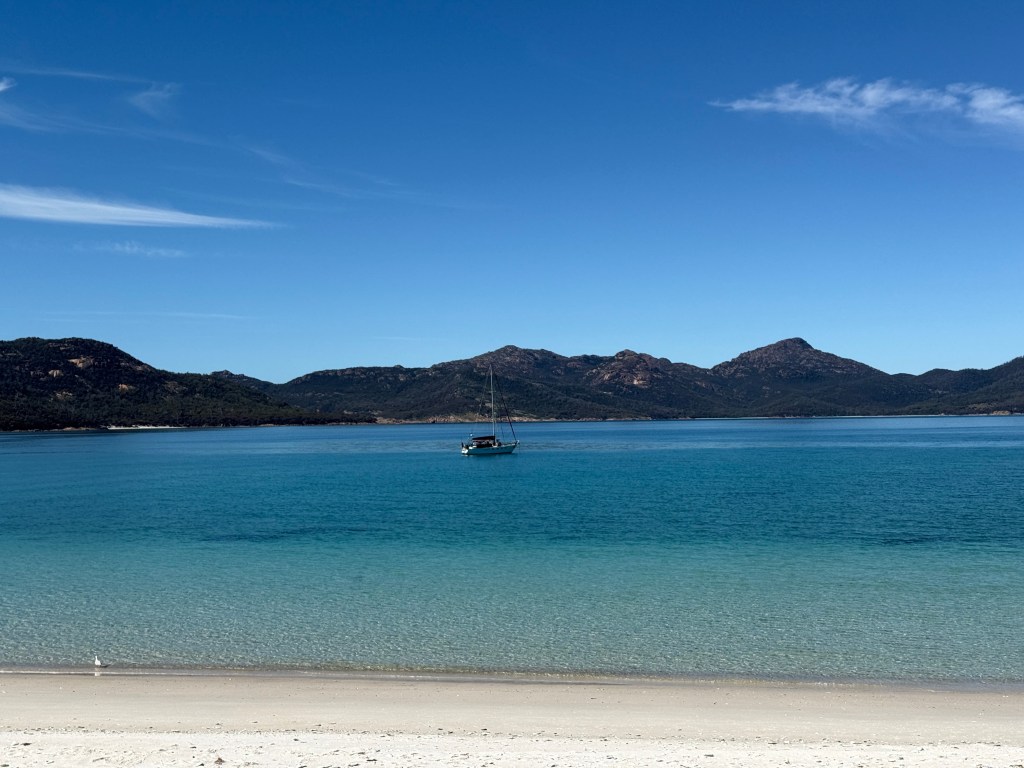
We lingered for a few days, soaking up the sunshine, swimming in the clear, cold sea, and tidying up the boat. However, civilisation soon exerted its siren call and we up-anchored to head to Coles, the nearest town. We had actually stayed in Coles when travelling around Tasmania in a camper van a few years ago (after crossing the Tasman in Hansel) so it was interesting to return by sea.
We tried to pick up a public mooring but ended up on someones private mooring. The barnacles on the mooring line provided clear proof that it wasn’t in regular use, so we decided that nobody would mind if we used it overnight.
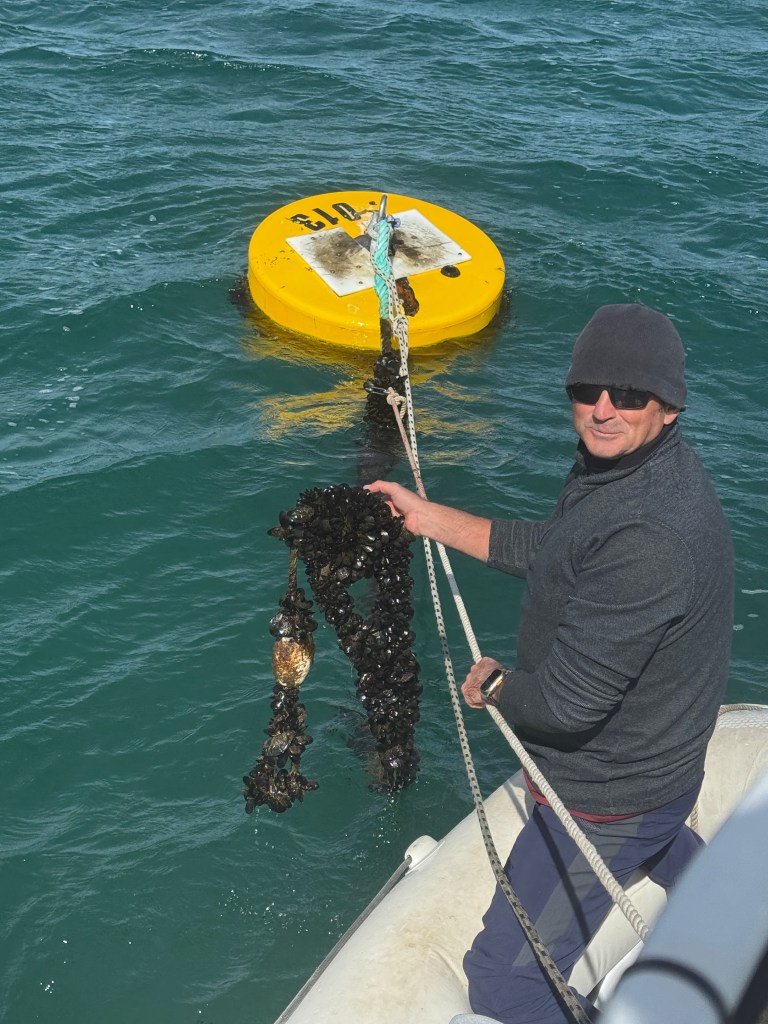
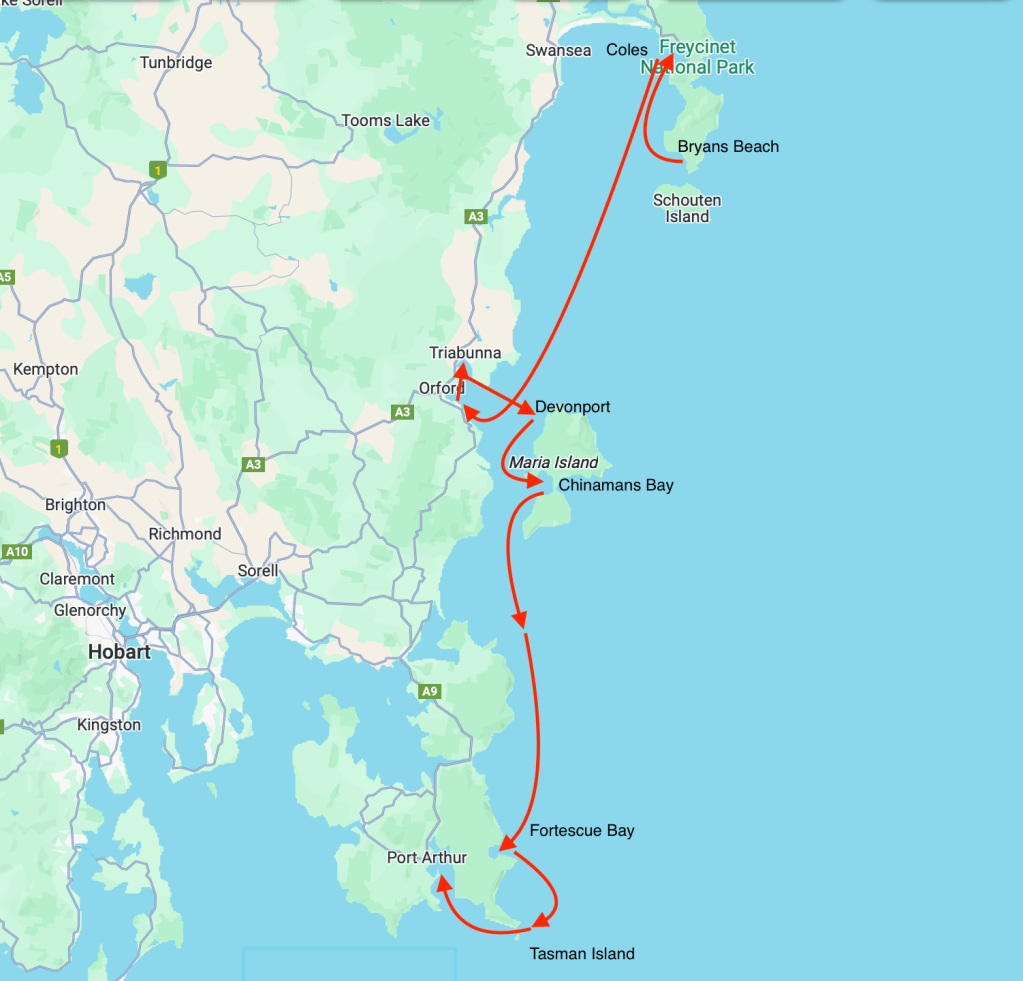
The next day was warm but we had to wait a few hours for the wind to make an appearance. Then we headed back out of the bay and set sail for Prosser Bay near Orford, some six hours away.

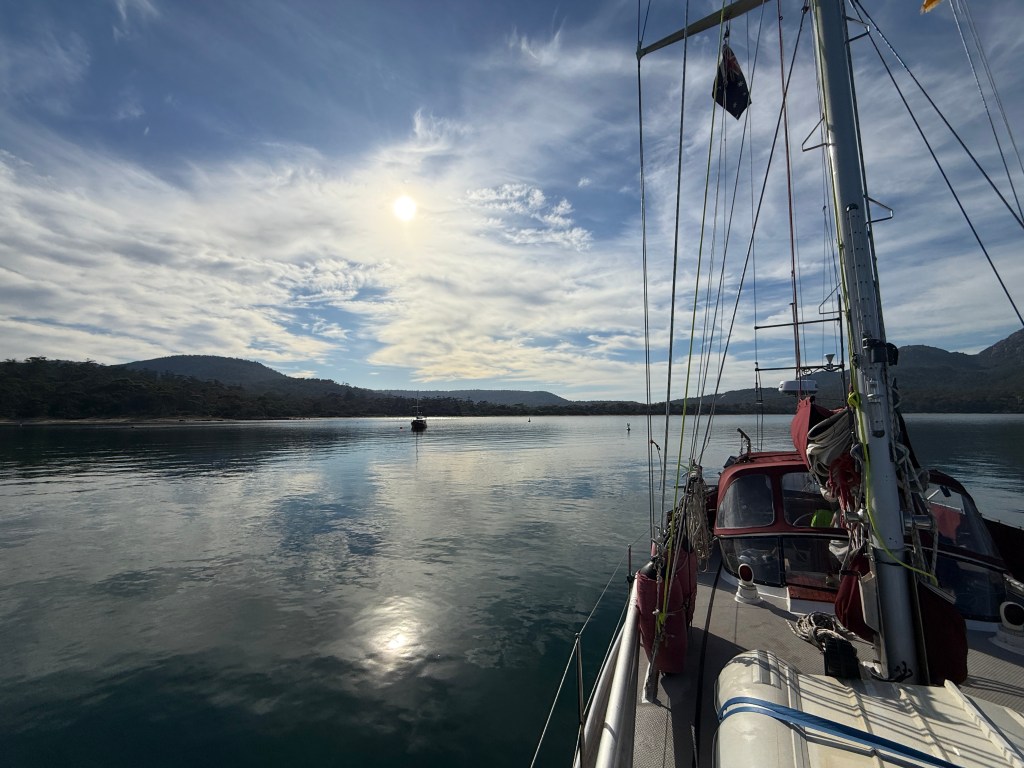
After a great sail we spent the night on a public mooring and the following day contacted Ian, the Harbour Master at the nearby town of Triabunna. Ian kindly arranged for us to use the berth of an absent fishing boat, and later gave us a lift to the local petrol station so that we could fill up our jerrycans.
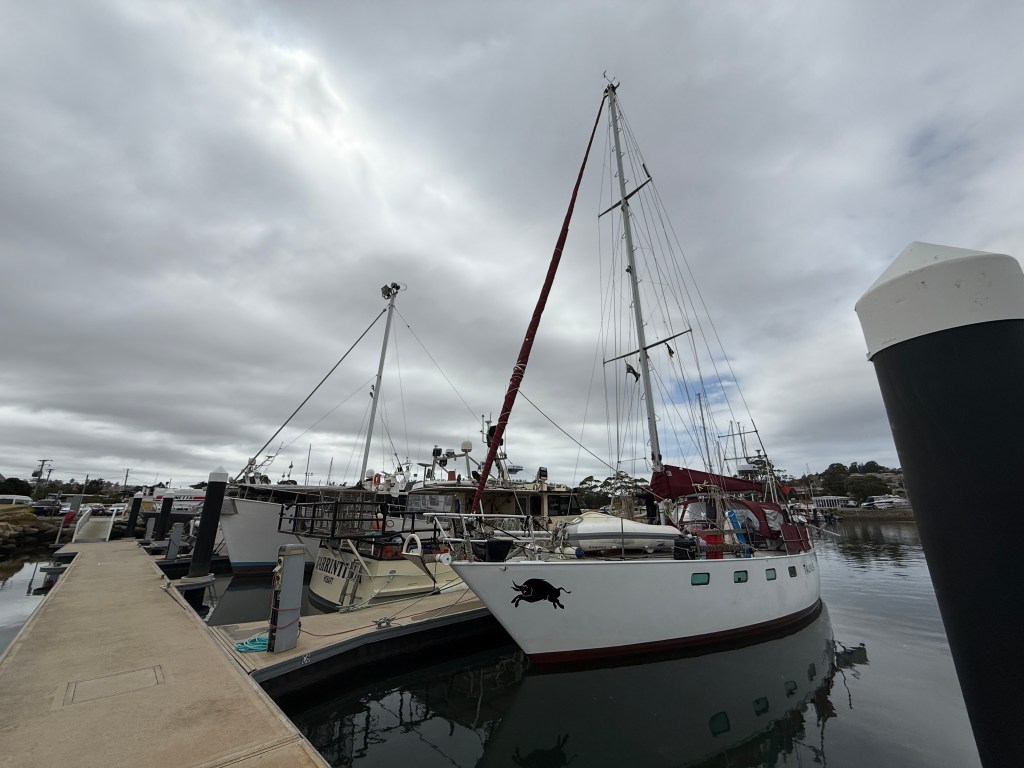
Like many provincial Australian settlements, Triabunna has an atmosphere of being somehow lost in time. The wide streets stretch into the distance with barely a house to mark their progress. The available space is too great for the few people that live there, so the town spreads itself thin and sprawls out, like a mess of gravy on an empty dinner plate.

After restocking the essentials: fuel, food, and alcohol, we headed back to Taurus, stopping only for a spot of lunch with the locals.
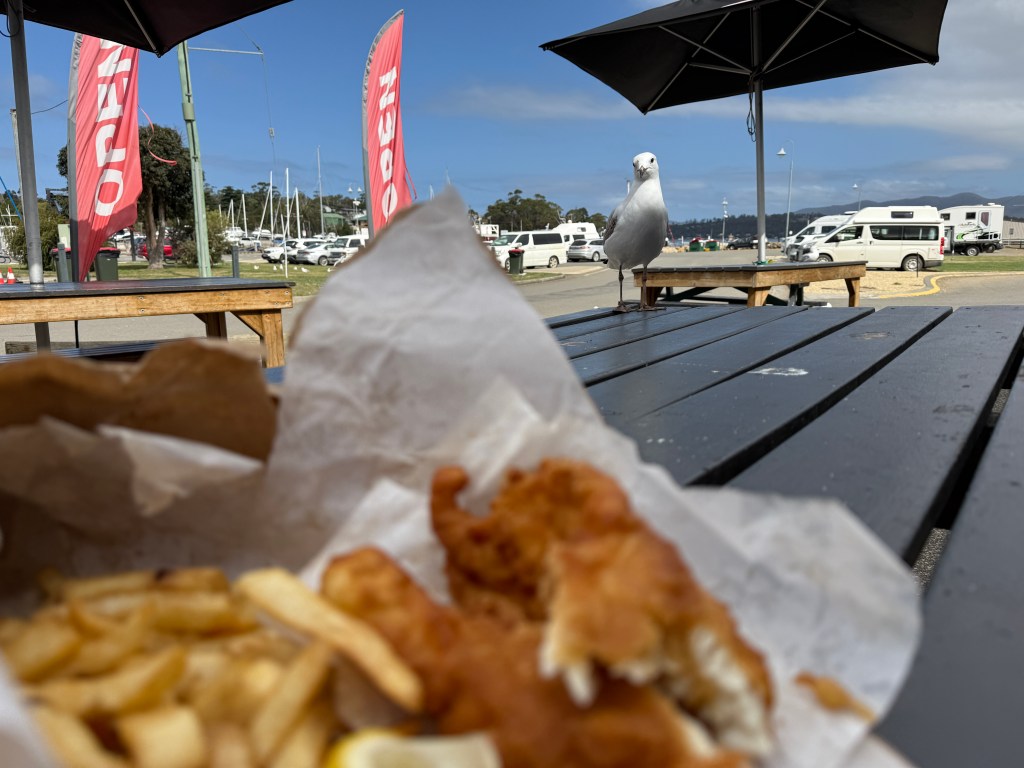
Tourism is one of the few things keeping towns like Triabunna alive, although as long as the supermarket and pub remain open it’s hard to believe that its state of suspended animation could ever be threatened. The tourist attraction in Triabunna, the only one we discovered, is that the ferry to Maria Island National Park leaves from its harbour.
Dutch explorer Abel Tasman bestowed the name ‘Maria’ upon the island in 1642. The original Maria was Maria van Diemen, wife of Tasman’s superior, Anthony van Diemen, Governor General of the Dutch East Indies in Batavia. Tasman diplomatically honoured his boss with greater glory, naming the larger land mass ‘Van Diemen’s Land.’ This name remained in use until it was replaced by ‘Tasmania’ in 1856. The change of nomenclature was essentially a PR exercise to attract settlers; the alteration intended to seperate the fledgling colony from its convict past.
Ultimately, the attempt by Tasmanian authorities to forego their history failed. Maria Island, like Tasmania, and some may some Australia as a whole, continues to bear the legacy of Britain’s convict transportation policy. Today, however, they are quite proud of it. The first convicts to be sent to Maria Island landed at a place called Devonport in 1825. These men were deemed hardened criminals, and had been sentenced to hard labour for reoffending whilst serving sentences for other crimes. Today Devonport stills sees ships disgorging human cargo, but the ships are ferries and the cargo is burdened with cameras and backpacks rather than chains.

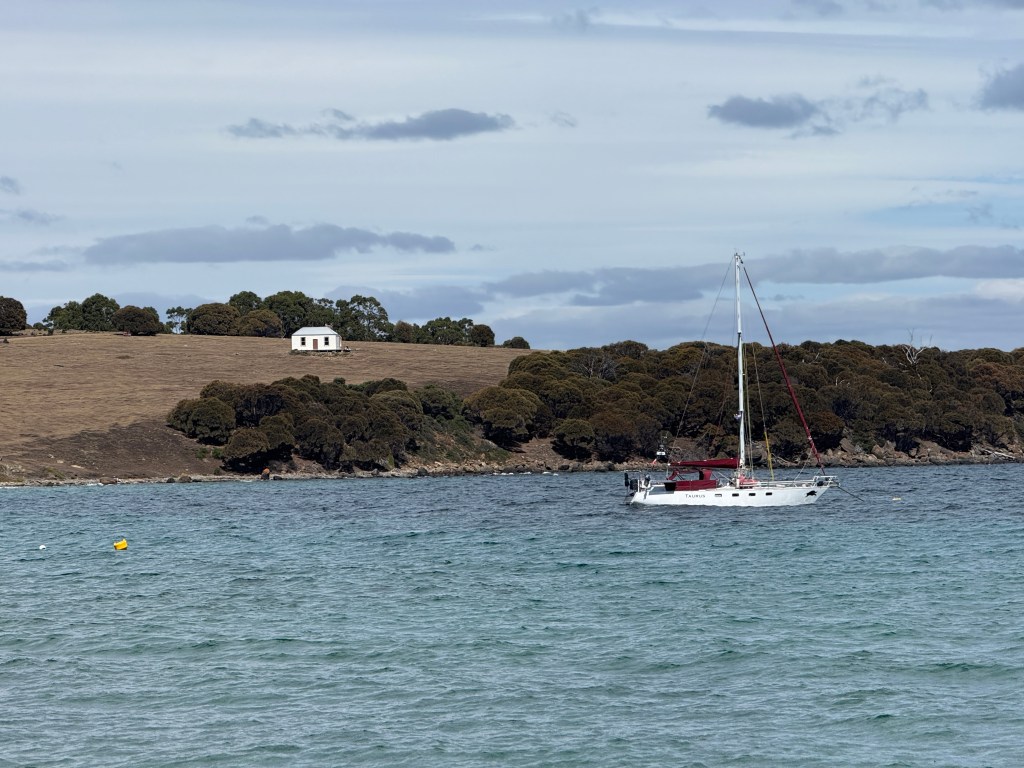
On arrival we were able once again to make use of a public mooring. The swell coming into the bay had Taurus hobby horsing quite badly, and made unloading the dinghy a little sketchy. We were later told that the ferry passengers had been amused to see me being jerked out of the dinghy and dumped back into it as the waves rolled past and I tried to release it from Taurus’ side. I can’t complain, I would have enjoyed the show too!
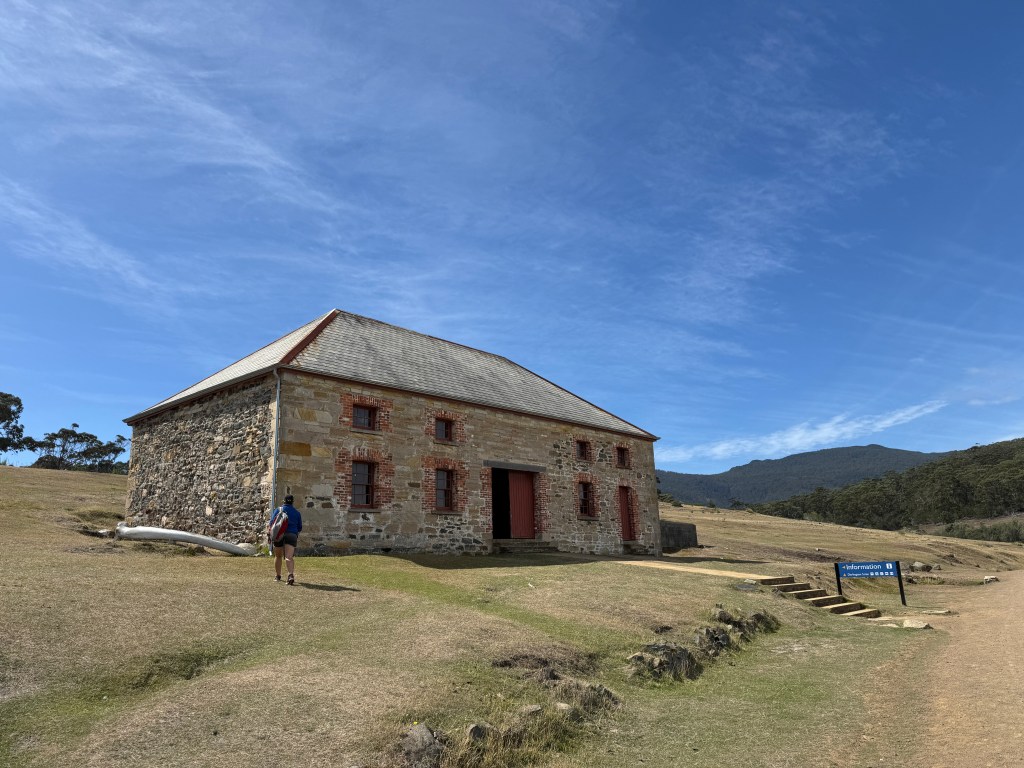
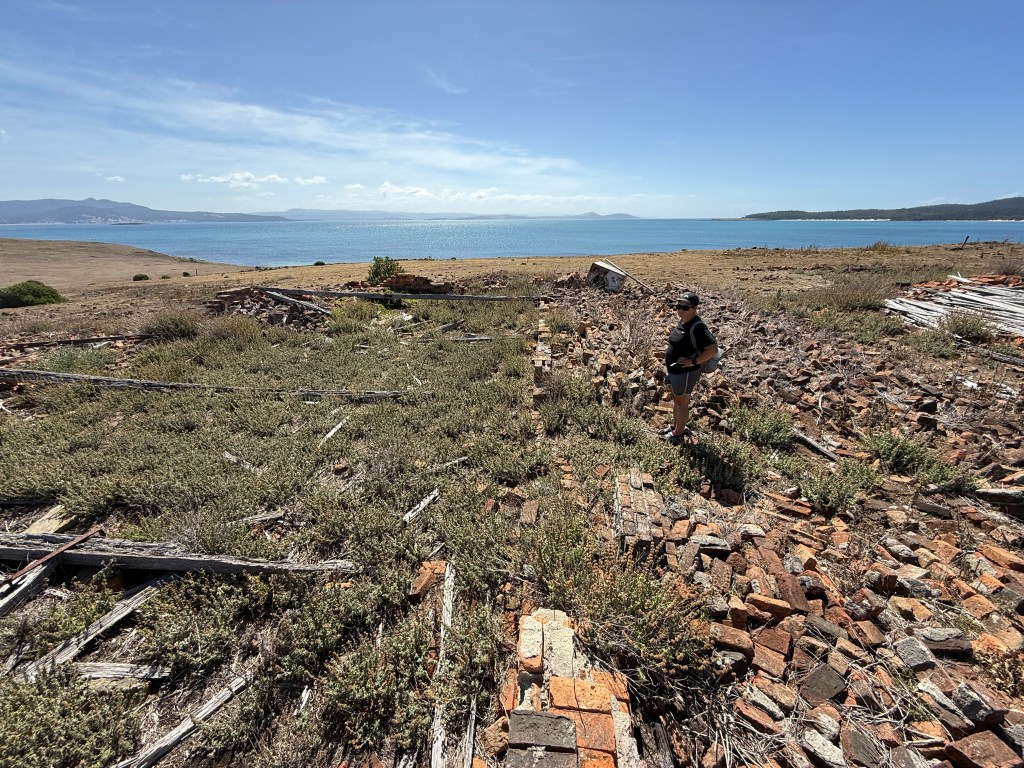
The site itself is very impressive, with a mixture of convict era buildings and industrial remnants from various enterprises that were tried, and failed, over the succeeding years. The ruins add a picturesque quality to the island, but the natural beauty needs little assistance.
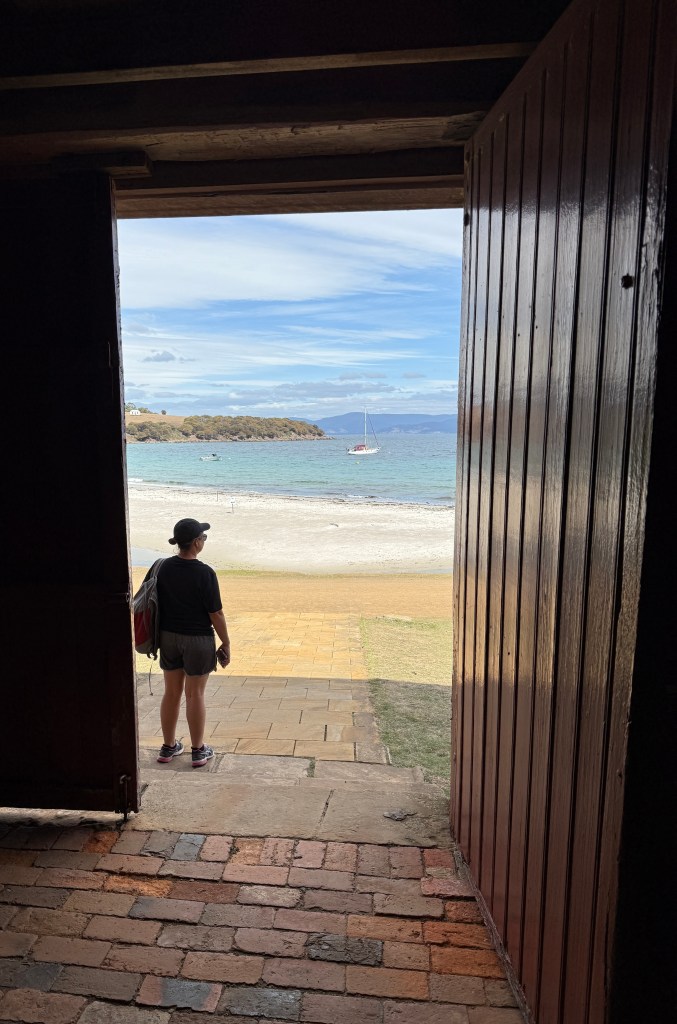
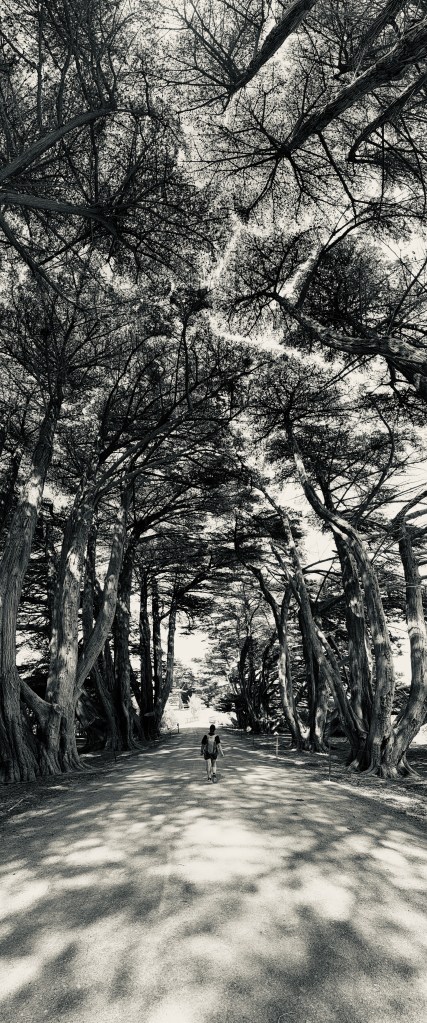

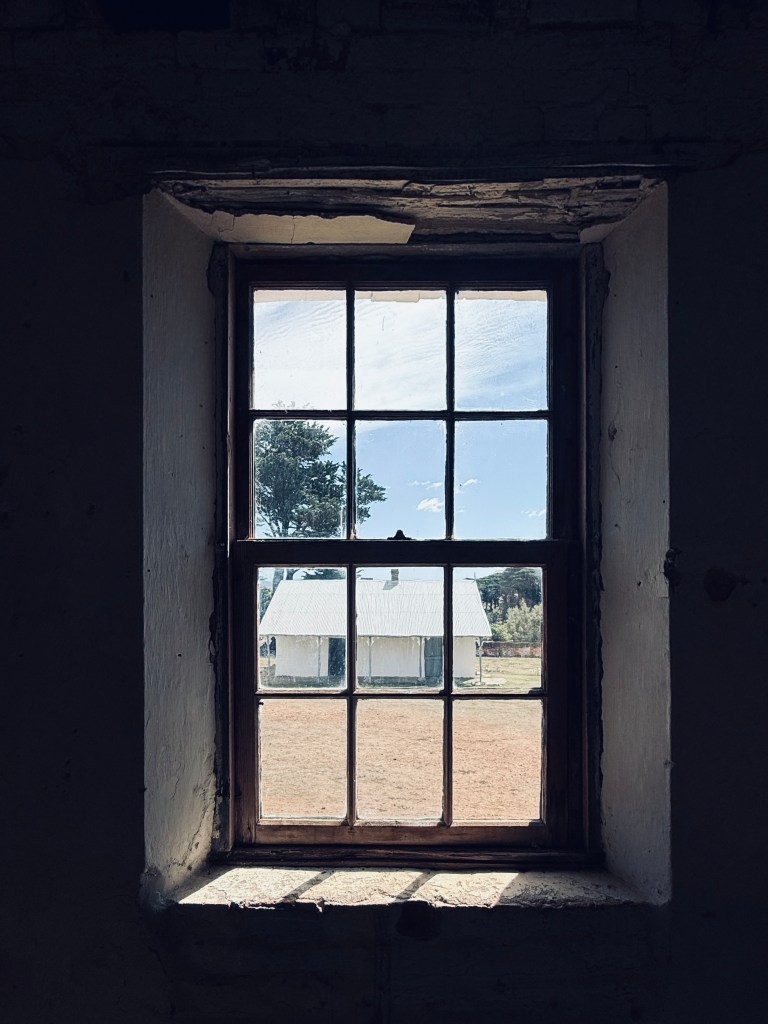

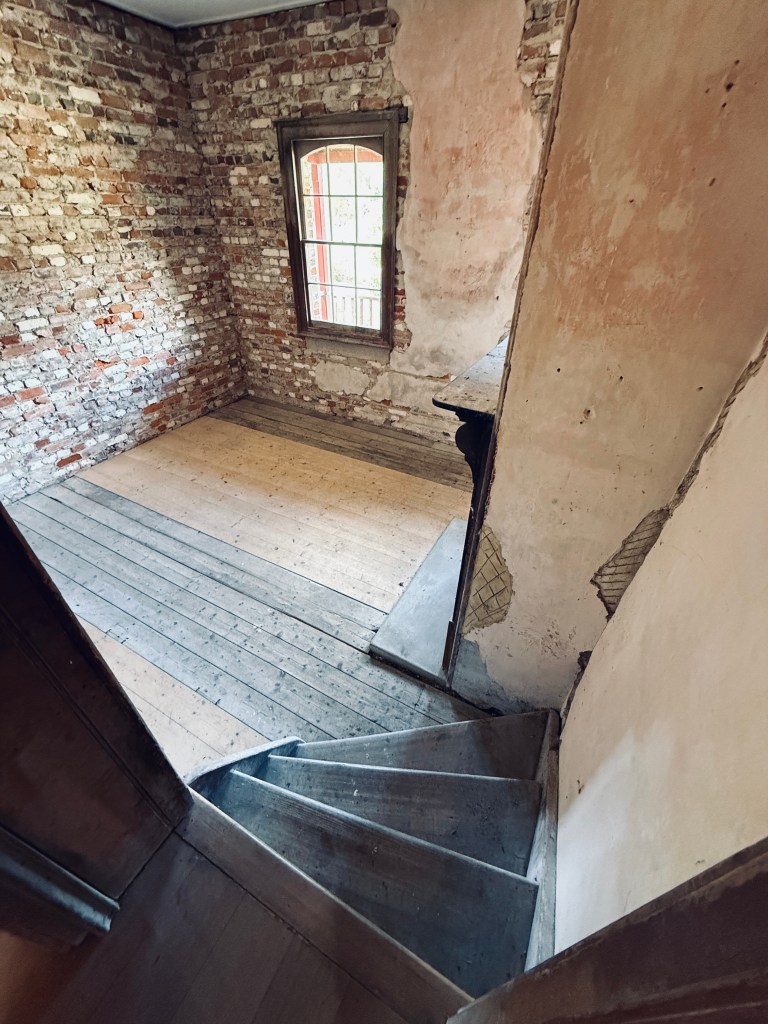
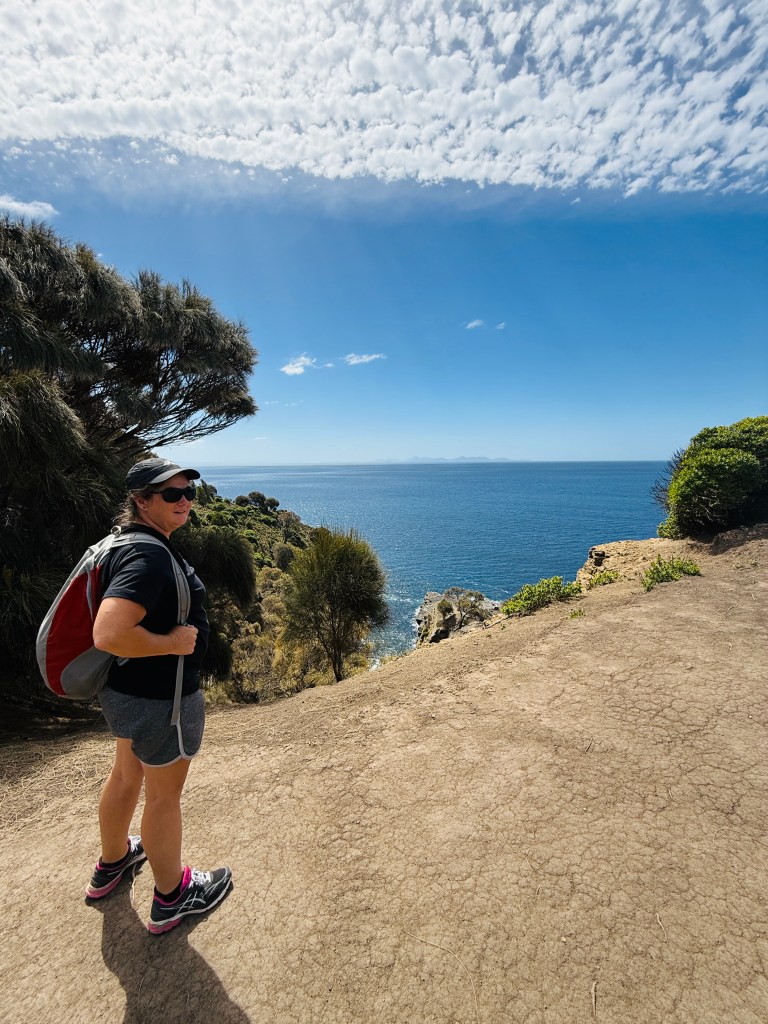
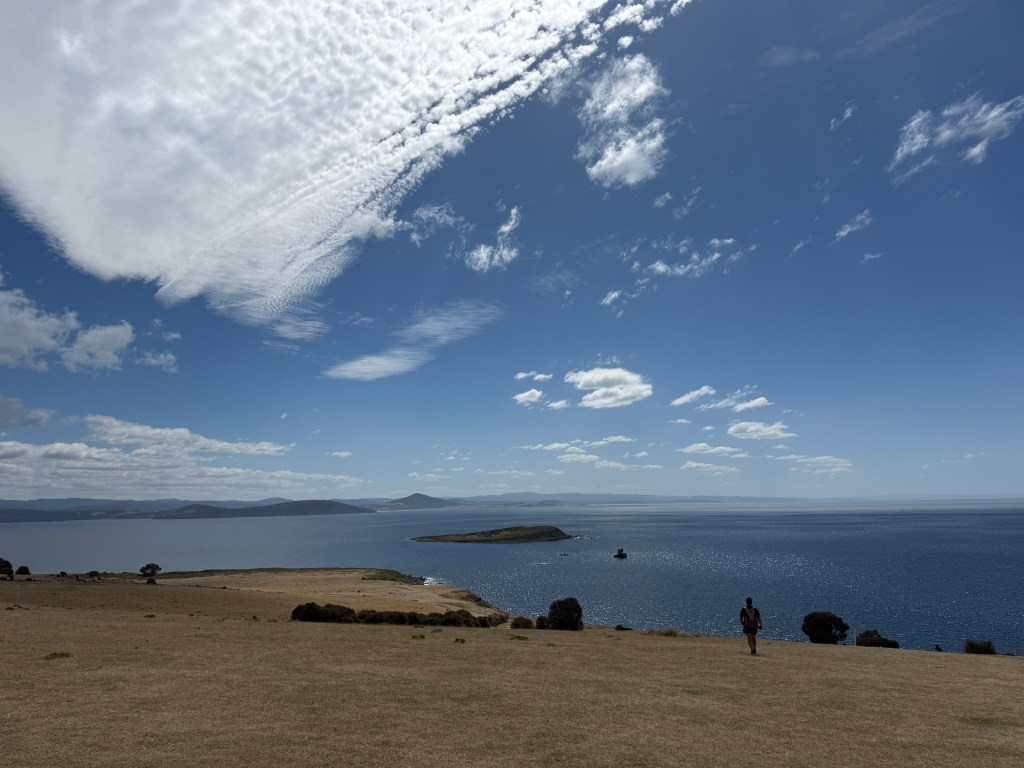
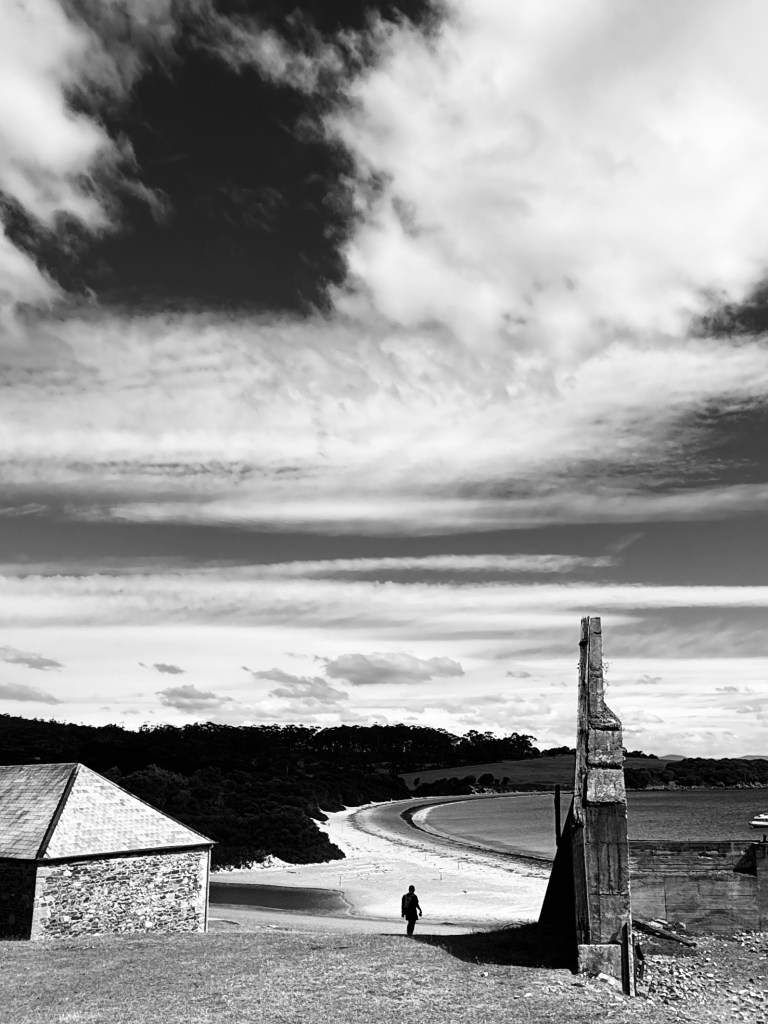
Although the wind and swell had moderated by the time we returned to the bay neither of us were keen to spend the night. Seeking more protection we dropped the mooring buoy and headed south to Chinamans Bay. This anchorage was still pretty rolly and the following day as the wind shifted to the south we followed suit and moved to the southern part of the bay to find more cover.
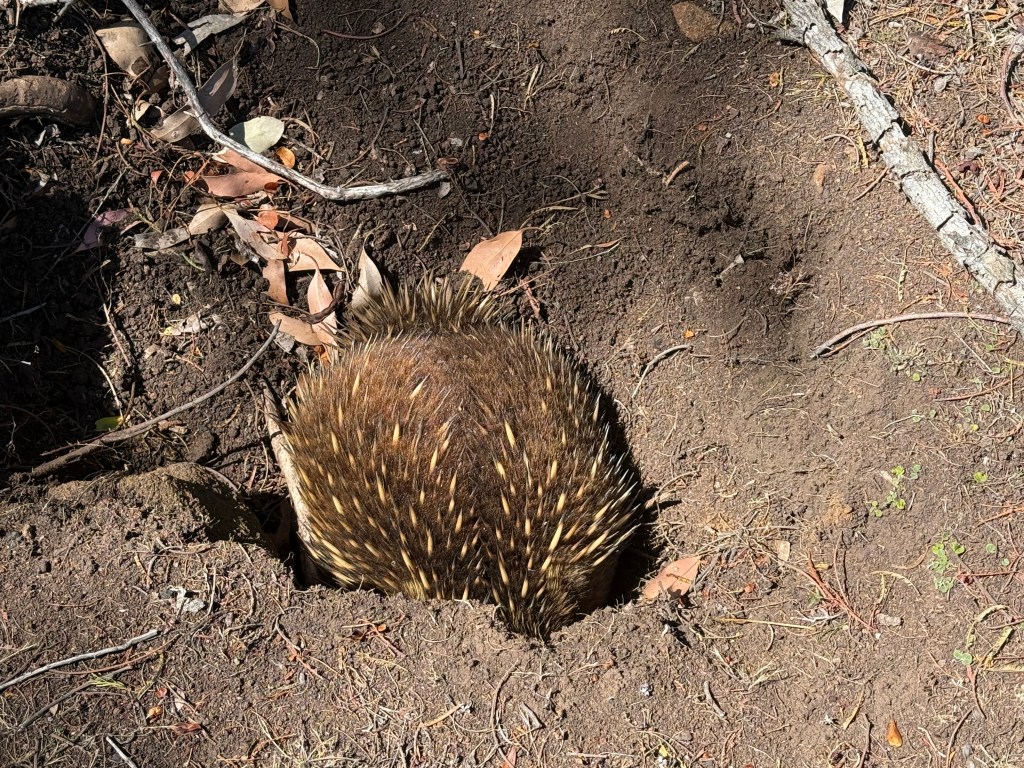
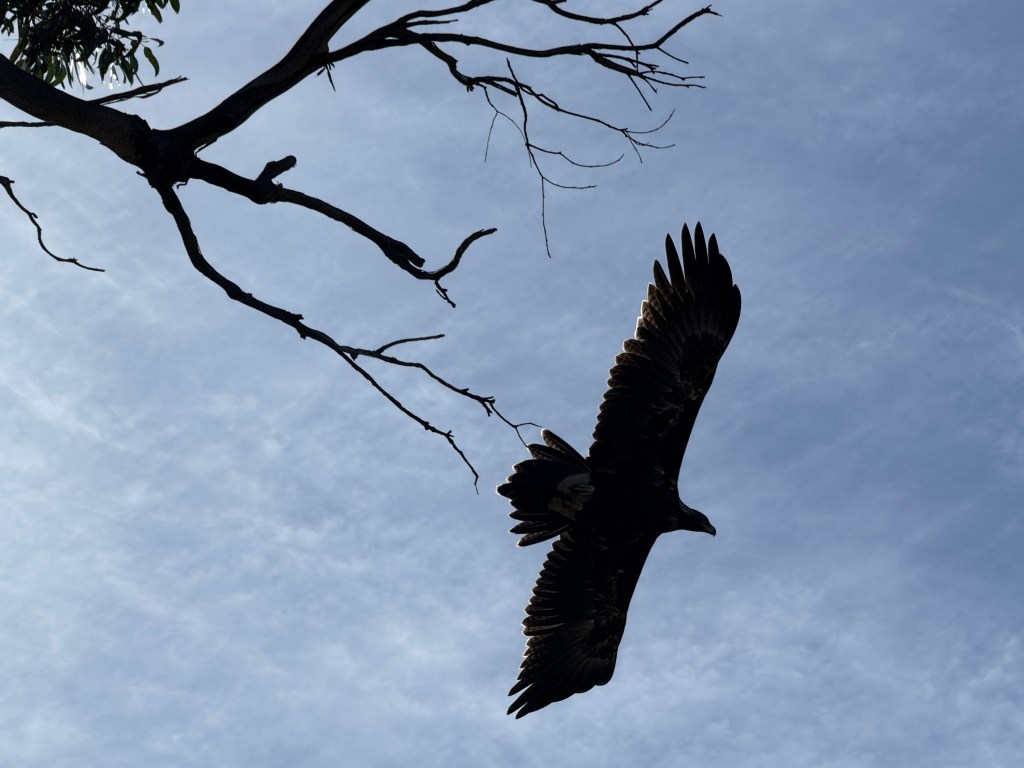
Once tucked away we decided to explore Maria a little more. One day we crossed a short neck to arrive at the sea on the opposite side of the island, another we walked all the way round the bay to find another ruined penal site. The highlights of this walk were our encounters with Australian fauna: wombats, kangaroos, an echidna, and a wedge tailed eagle being spotted.
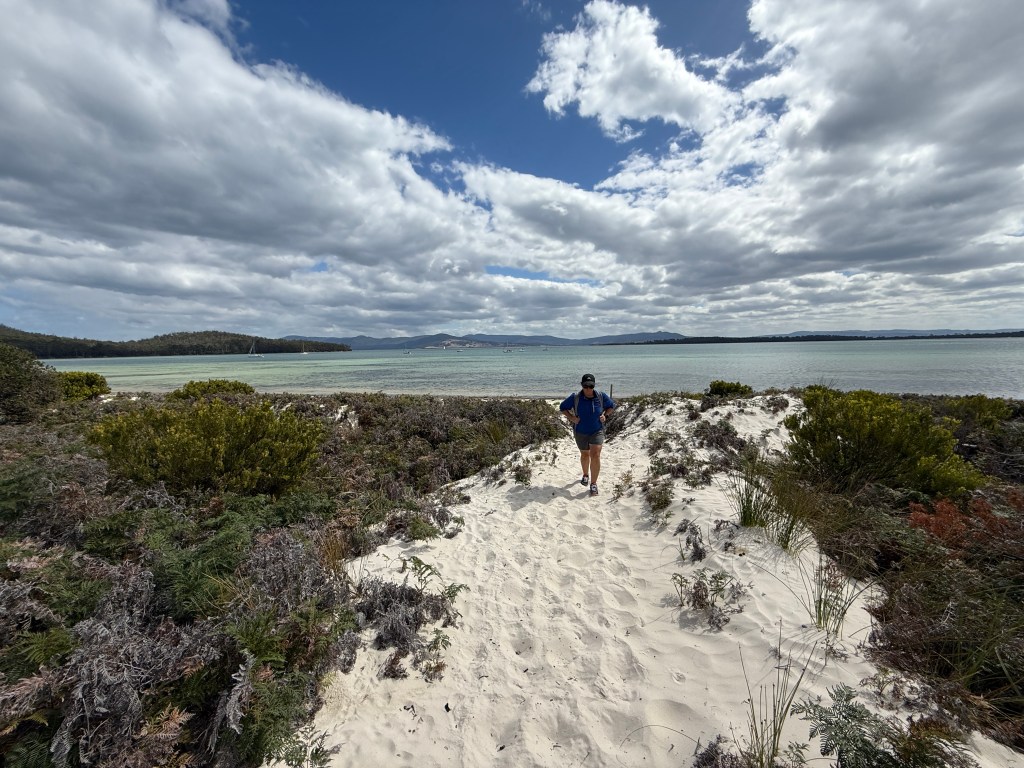


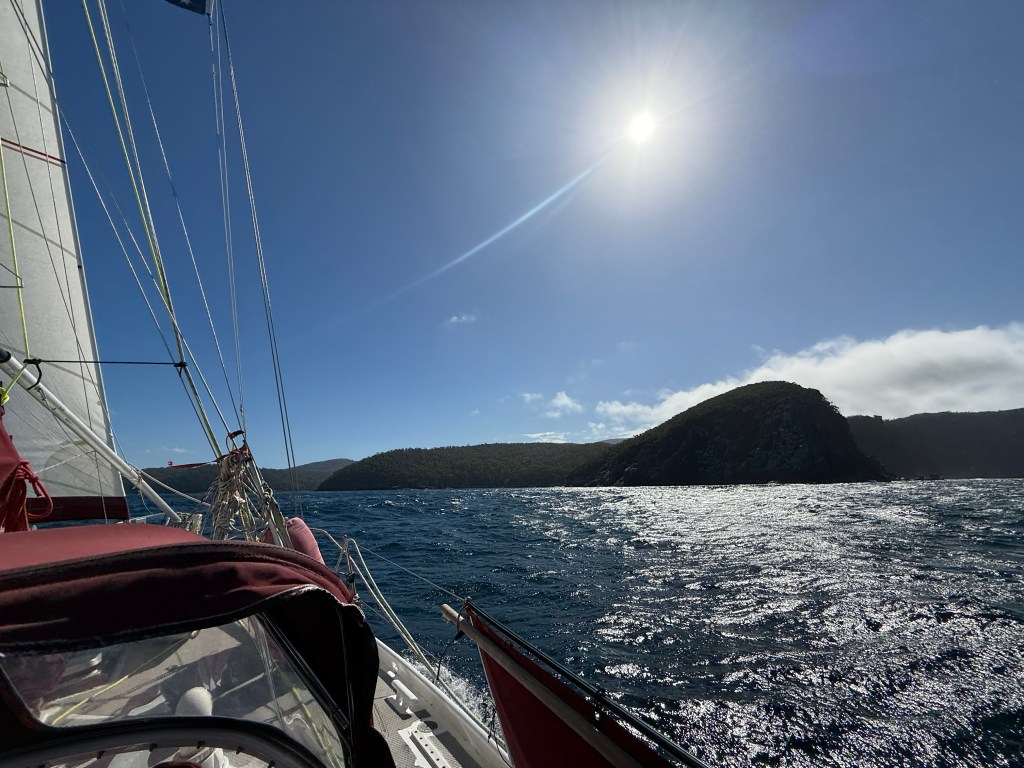
Determined to make the most of a northerly that would help us to continue south, we bade farewell to Maria Island. The temperature was definitely cooler, but this was offset by the sight of Mollymawks, a kind of small albatross with amazing eyeliner makeup, flying around our boat. It was almost like being home again.

As the day wore on the weather improved, and we were soon back to our regular uniform of T-shirts and shorts. After another fantastic sail we arrived at Canoe Bay, a small sheltered spot in the larger Fortescue Bay, with plenty of time to get ourselves comfortable before the northerly wind was predicted to become uncomfortably strong. It was a good job that we arrived early as the bay is small and there were already three boats anchored inside. The best spot, the one that the cruising guides recommend, lies behind a sunken ship, but a big cat was sitting in that space. In the clear water we could see the bottom some 5 or 6 metres below us. It all seemed unpromisingly rocky. We threw the anchor out anyway but weren’t surprised when it failed to grab very well. Deciding that I better have a look I grabbed my wet suit and went for a swim. Far from holding us to the ground, the anchor was lying on its side between rocks as if it was having a bit of a rest. This would not do.
As I was already in the water I swam over to have a look at the wreck, and then swimming back I found a large sandy area, much better for anchoring in. Cara and I moved the boat and re-anchored, getting a good grip on the bottom this time around. With bad weather inbound we had to be confident that the anchor was well set, the alternative being a terrible night’s sleep and worrying about dragging all night.
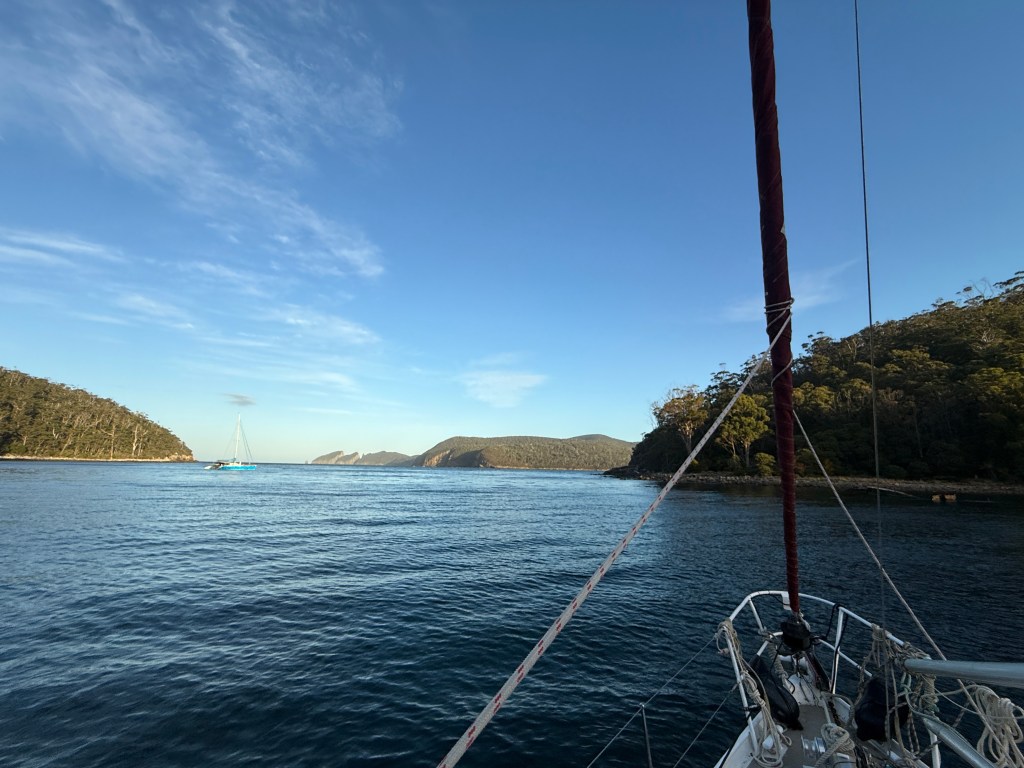
It was as well that we were happy with the anchor as the gale outside caused a good deal of swell to enter the bay and kept us heaving on the anchor all night. If we’d had cause to worry about our anchor’s grip it would have been a long night indeed!
With the strong winds having passed we sailed out in the morning and resumed our journey south. In the calm weather we had the opportunity to pass between Tasman Island and the mainland rather than going around, a short cut that didn’t save much time, but provided us with magnificent views.
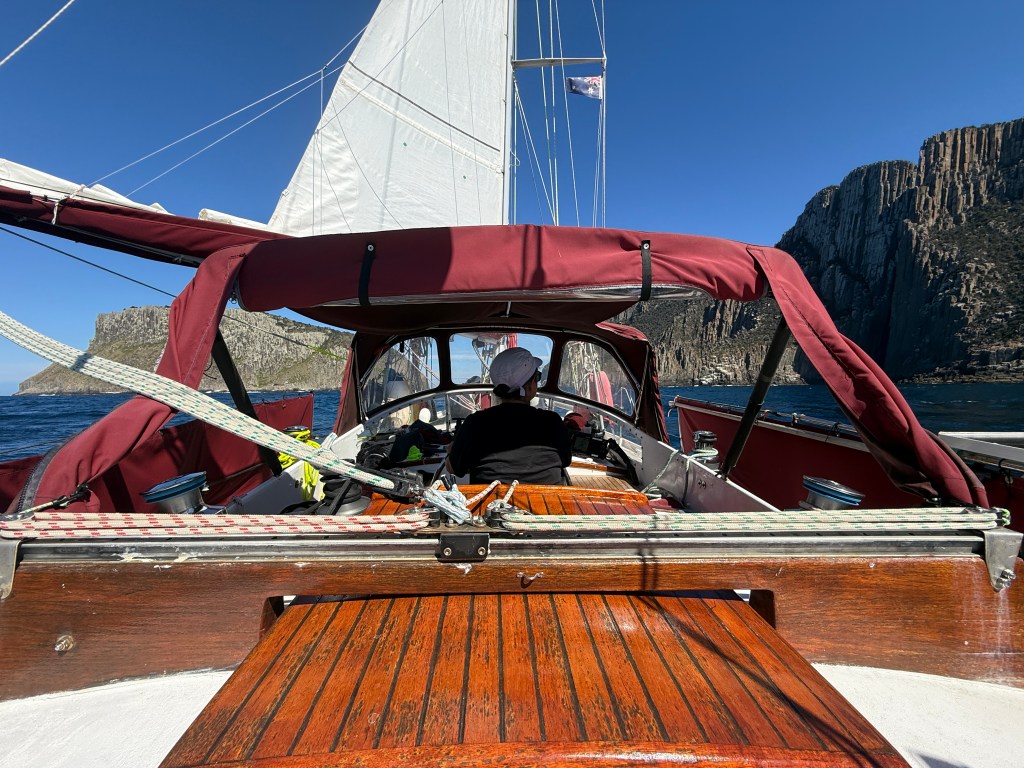
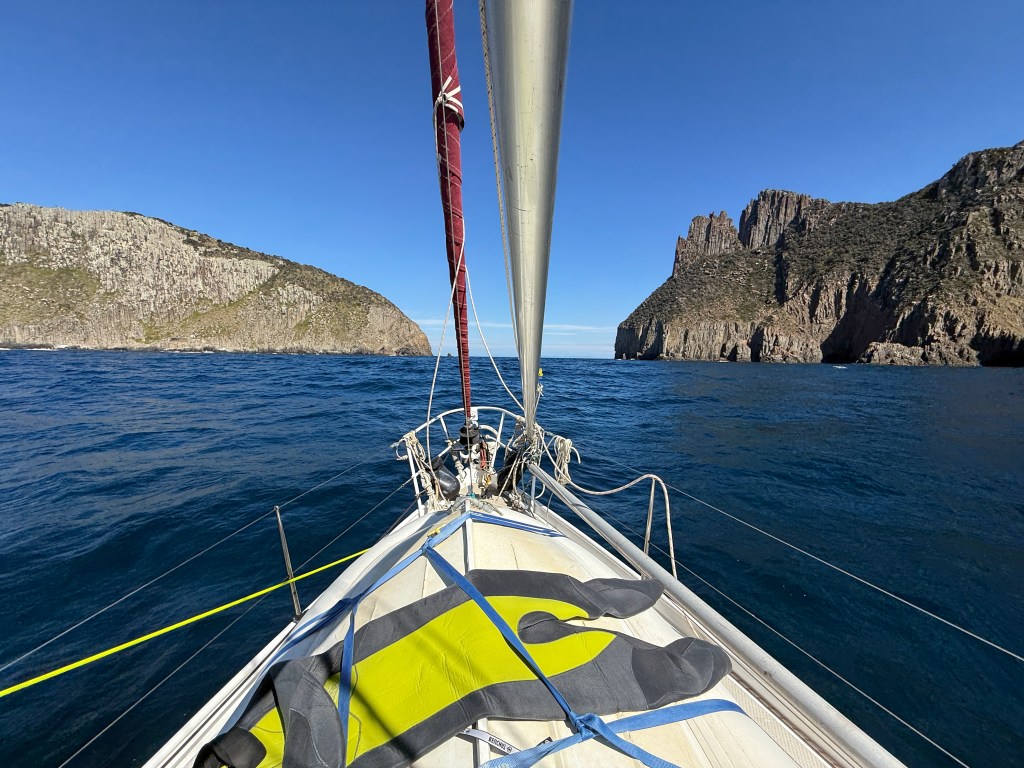
After rounding the south-eastern corner of Tasmania we could begin to head north west, and finding ourselves in the lee of the island needed to motor for a short while. However, as if on demand, the wind soon shifted to a southerly and we were able to raise the sails and sail into Port Arthur. This picturesque spot is famous for its former convict settlement. UNESCO described the area as one of the “…best surviving examples of large-scale convict transportation and the colonial expansion of European powers through the presence and labour of convicts.”

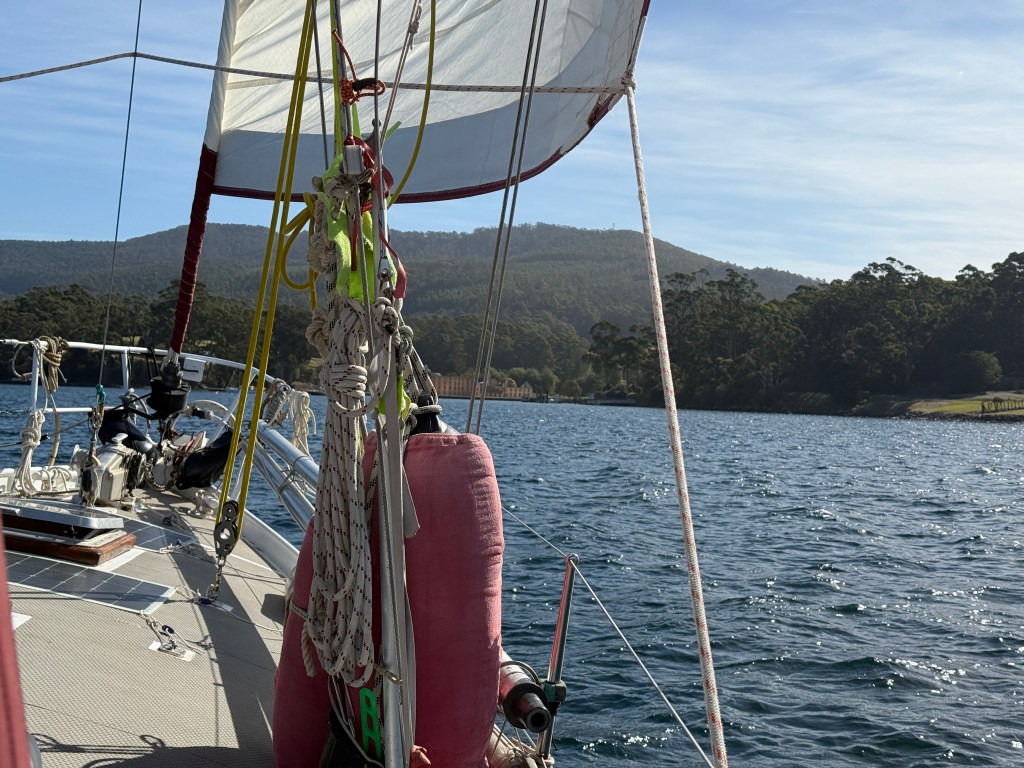
With the wind rising we sailed past the Isle of the Dead, where deceased prisoners were buried, and after sailing past the prison snuck into Ladies Bay, slightly to the north of the prison but better protected. We visited this heritage site when we were here a couple of years ago, but it’s an amazing place and we looked forward to exploring it again.
Next time: we visit Port Arthur and finally arrive at Hobart.
 Sailing Taurus NZ
Leave a comment