
We arrived in Sydney on Friday the 10th of January at about 10:00 am. Regular readers will know that we had been trying to arrive on this day or before because our good friend Eugene was visiting Sydney for a few days, giving us an opportunity to catch up with him.
Eugene is a solo-sailor from Bulgaria whom we met in Tonga, and ran into again in Fiji. He is one of those inspiring souls who would give you the shirt off his back, and spends his time sailing around the world, and learning languages. When not doing one of these things he inspires others to have a go at them.
We met Eugene at Rose Bay, fresh off the plane so to speak. After running him out to Taurus to deposit his luggage, we took the ferry to Circular Quay for an internet guided tour around The Rocks, the original site of the Sydney settlement.
Our first call was the Museum of Contemporary Art. I often find modern art a bit hit and miss. The recent sale of a banana taped to a wall for an astronomical $6 million highlighting, in my admittedly ignorant opinion, the absurd pretension of some so-called artists and their aficionados. It seemed telling that as we wandered the galleries we found that many people seemed to find whatever was happening outside of more interest than the art.

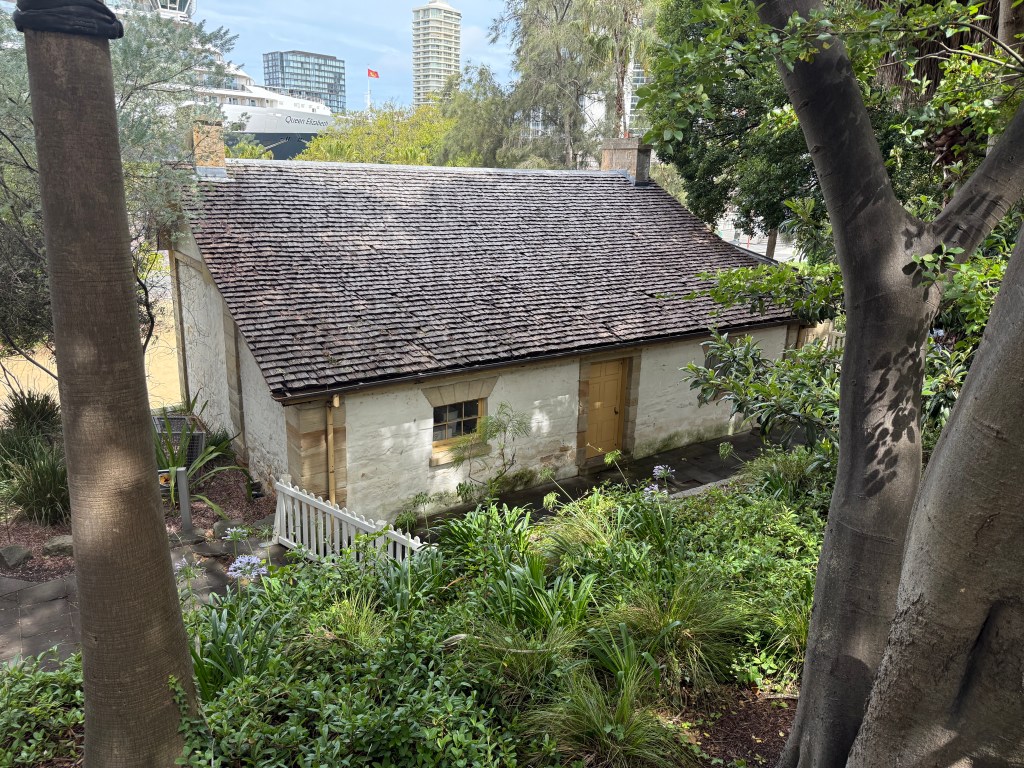
After coming to the unanimous decision that modern art is a bit rubbish, we wandered down to Cadmans Cottage which, built in 1816, is one of the few buildings left from Sydney’s early days.
Next on the tour was The Rocks Museum. This small building houses a host of interesting displays that informs the visitor about life in Sydney two hundred years ago.


After the museum we headed towards the Sydney Harbour Bridge, making sure that we didn’t end up on the side reserved for cyclists. On my first trip to Sydney, almost thirty years ago, I made the cardinal mistake of walking on the cycling side and was given a real Aussie dressing down by some irate chap.
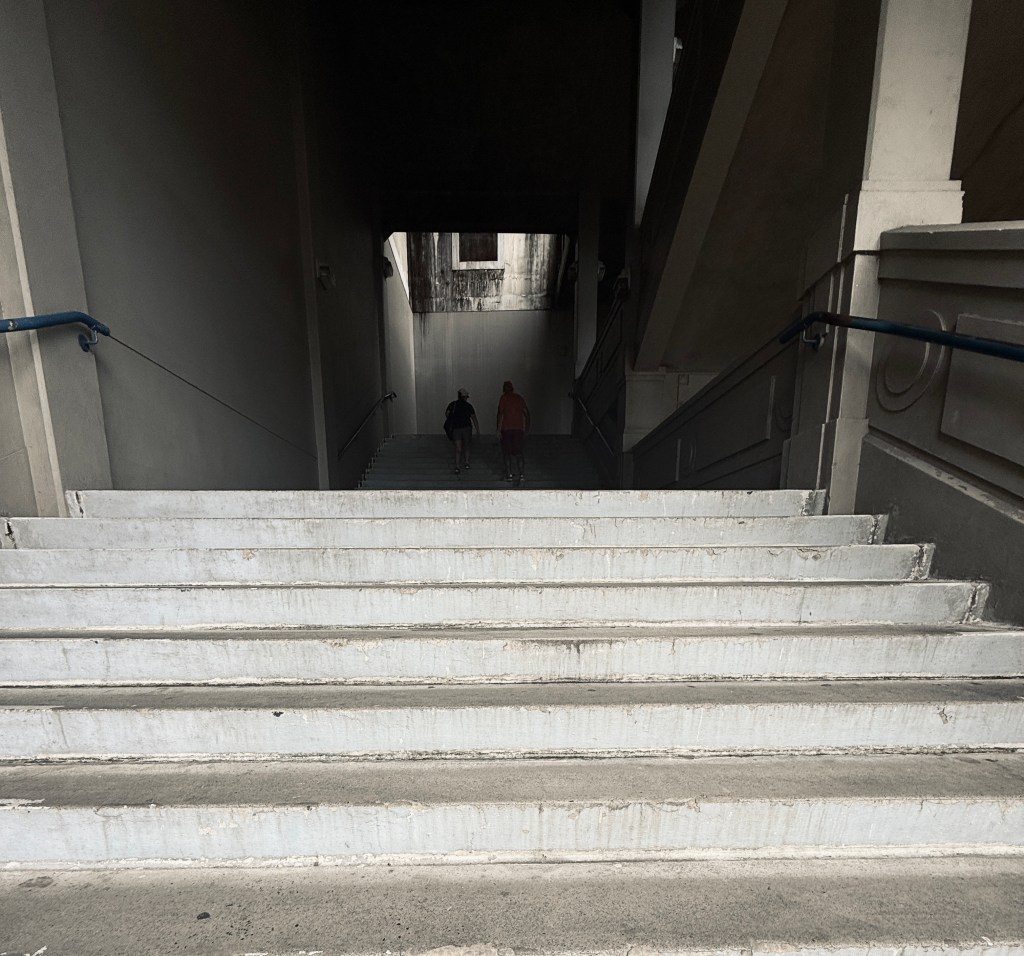

Having worked up a thirst we headed to Sydney’s oldest continually licensed pub, the Lord Nelson Hotel, which has a nice atmosphere and a great range of beers.
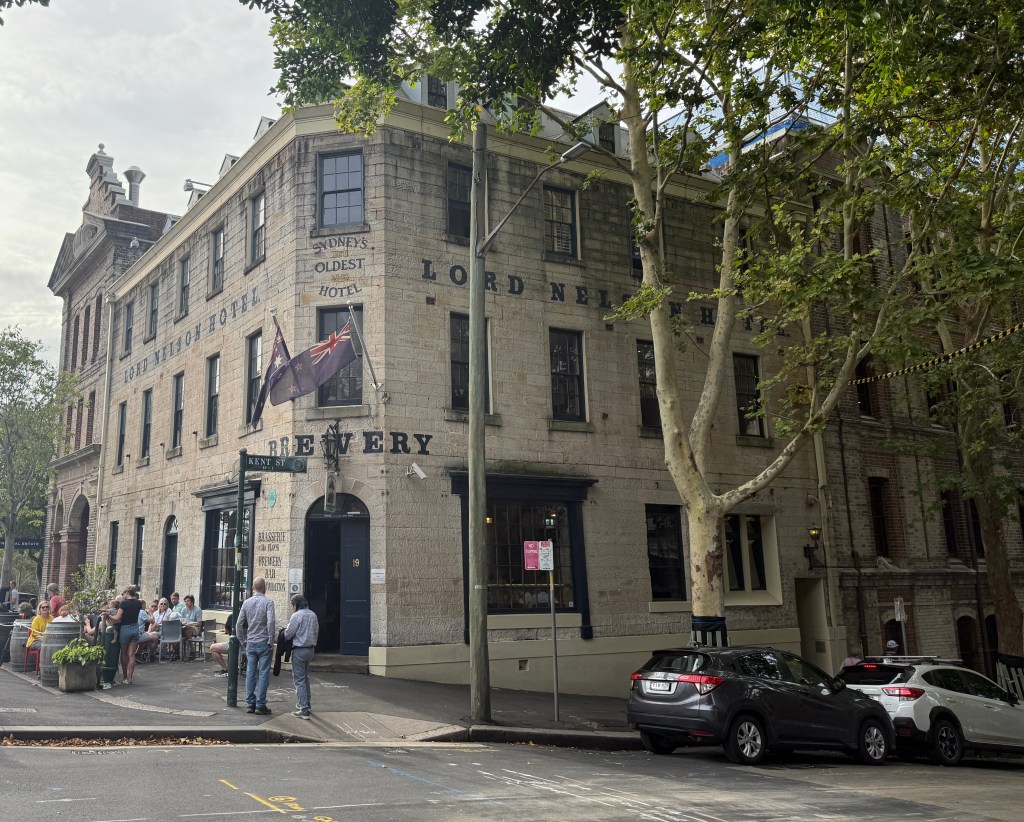
After so much excitement it was time to go home for a lie down and a wee nap.

Not having abandoned hope of the civilising influence of one of the world’s great cities, we headed to the Art Gallery of New South Wales to see what we could learn.
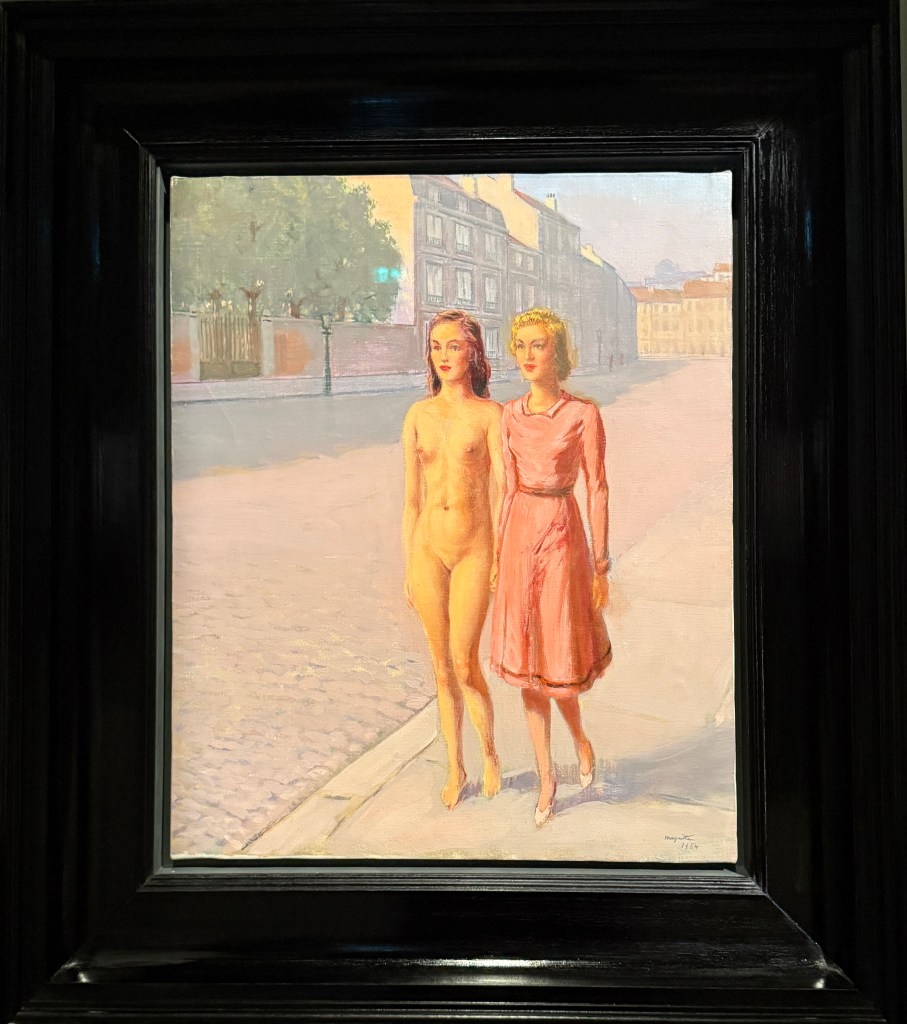
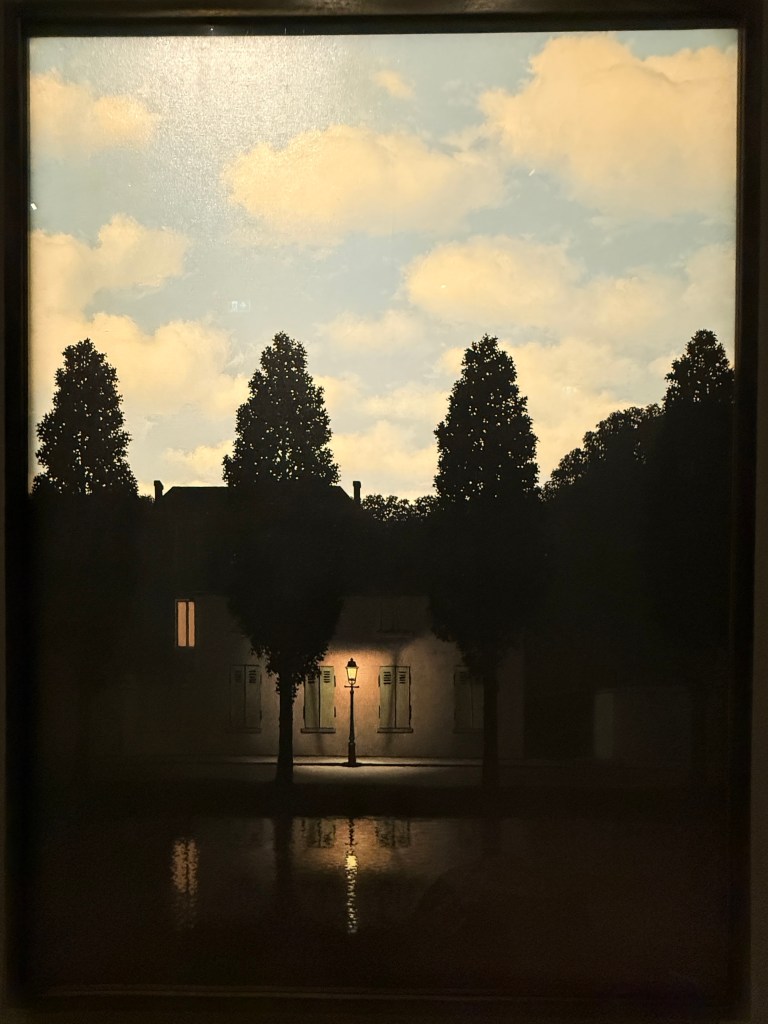
I have always admired the work of René Magritte (1898-1967), whose art blends skill, humour, and surrealism. So it was with great delight that we found that an exhibition of the great artist’s work was being held at the gallery when we visited. Less delightful was the A$35 dollar fee, but having screwed our wallets to the sticking place we sallied forth to pay. At the counter we met a young Maori-looking-girl who was taking money and collecting data. When she asked for a post code we replied that we were from New Zealand, to which she responded, “the best country in the world, you go in for free.” Who doesn’t love a free visit to a René Magritte exhibition?
Magritte is of course the artist who infamously painted a picture of a pipe and added the sentence beneath, “Ceci n’est pas une pipe,” or in English, “This is not a pipe.” I remember showing this picture to my kids when they were young and their subsequent confusion, but of course a picture of a pipe is not a pipe, it’s a picture. That famous image, The Treachery of Images, was, alas, not part of the exhibition, but a subsequent image, with the words, “This is still not a pipe” was present and correct.

For Magritte fans, and who isn’t, here are a few more images from the exhibition:



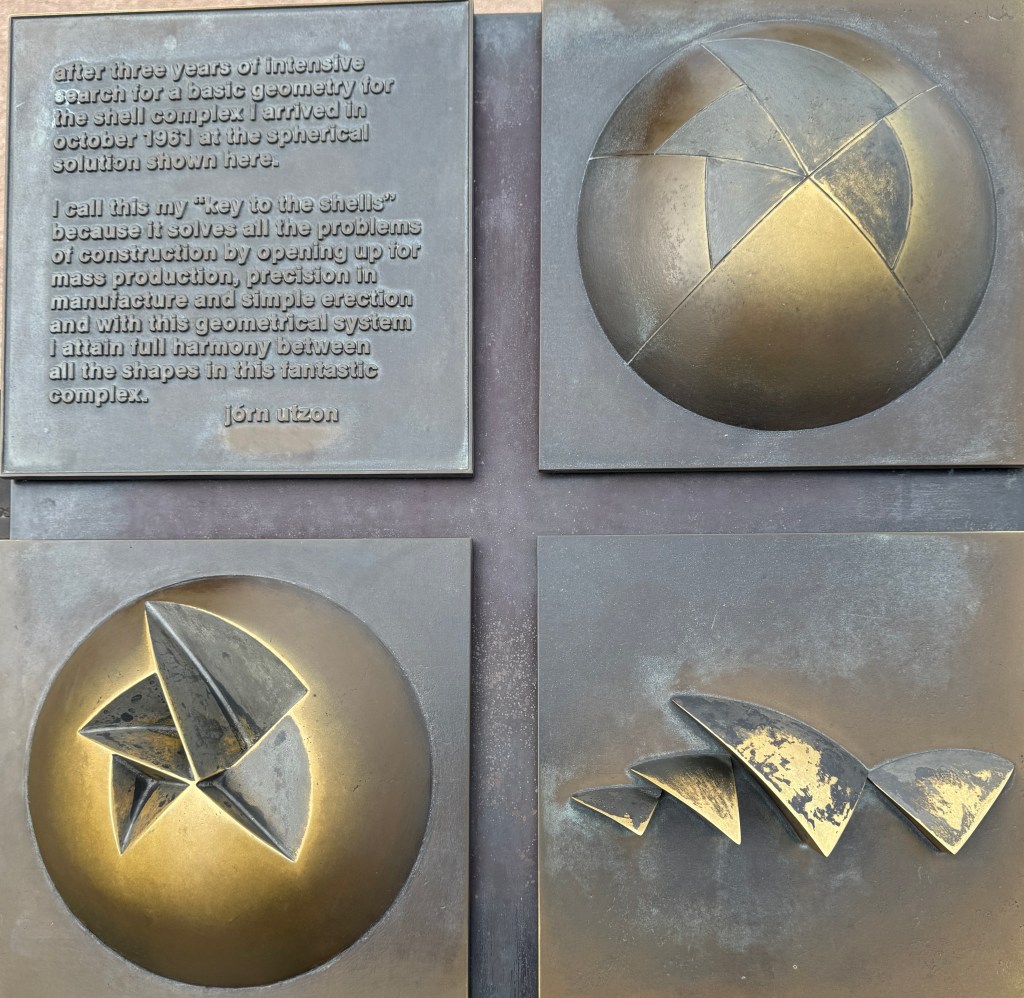
After the gallery we headed back to Circular Quay and took the opportunity to have a look inside the Sydney Opera House. Here architecture, rather than art, is king.
Widely regarded as one of the world’s most famous and distinctive buildings, the Sydney Opera House is a masterpiece of 20th-century architecture. Designed by Danish architect Jørn Utzon, the building was formally opened by Queen Elizabeth II on 20 October 1973, sixteen years after Utzon’s 1957 selection as winner of an international design competition. The government’s decision to build Utzon’s design is often overshadowed by the difficulties that followed; cost and scheduling overruns, and Utzon’s ultimate resignation from the project (Wikipedia).


Next day Eugene had to leave to fly back to New Zealand to where his boat is currently on a mooring. Hopefully, somewhere in the world, we will meet again. This typifies one of the best and worst aspects of the cruiser lifestyle, you constantly meet incredible people that become great friends, and then you say goodbye to them.
Sans Eugene we had to get back on with life and all its chores, big and little. Staying at Rose Bay we had quickly worked out that we could sneak into the local yacht club for showers (we had asked if we could make a donation for access but had been told it would be fine if we were discreet) but had yet to find a laundrette. The nearest self-service laundrette we were able to find, much cheaper than serviced types, was at Bondi Beach, fifteen minutes away on a local bus, so we dragged our laundry bag out and headed off to visit this Australian landmark.

Like many tourist meccas, the beach was a bit sad and tawdry in ‘person,’ and not wanting to take our giant bag of newly washed laundry onto the sand we didn’t hang around.
The weather forecast boffins were warning of a storm from the north, followed by a storm from the south. We considered moving, as Rose Bay is a bit open to the north, but after a week or so on anchor we knew the anchor would be well bedded in, and we had plenty of room to swing, there not being many boats around us. With these factors in mind we decided to stay put, chucked the dinghy on deck, lashed everything well down, and let out extra chain until we were hanging off about 50 metres in about 5 metres of water. we also added a little extra length to our normal chain snubber, which bears some explanation.
A boat held in place by a chain in rough seas can experience strong jerking as waves act against her. These jerks, fairly continuous during bad weather, can exert massive forces that make life on-board unpleasant, can break equipment, and can encourage dragging by jerking the anchor out of the ground. One solution is to use a snubber: a bridle made of nylon line that is attached to the boat’s forward cleats on either side and extend forward where they are attached to the chain some distance from the boat (about 2-5 metres is our standard, 10 metres our maximum). The weight of the boat is then eased onto the snubber by letting out more chain, which slackens as the line takes the strain. Nylon is used because of its elastic properties which absorb the shock loads. The trick with a snubber is to use as thin a line as you think will hold the boat (with some longevity) and as long as is convenient — the longer and the thinner the more elasticity available, and thus the less shock loads the boat and anchor receive.
So, hunkered down we waited for the storm. We really had no idea how bad the storm would turn out to be, and were really more concerned with the southerlies to follow. As it turned out, the initial storm, which we watched slowly building on the horizon, was easily the most spectacular we have ever experienced. Headlines the following day reported 737,000 lightning strikes within 100 kms of the Sydney CBD, almost 9,000 of those struck the ground. One man was killed (when a tree fell on his car), 100 mm’s of rain fell, and 300,000 homes and properties were left without power.
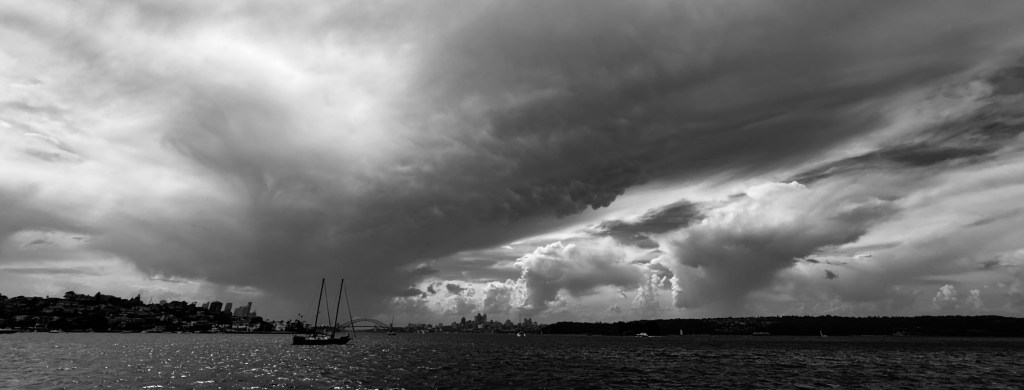
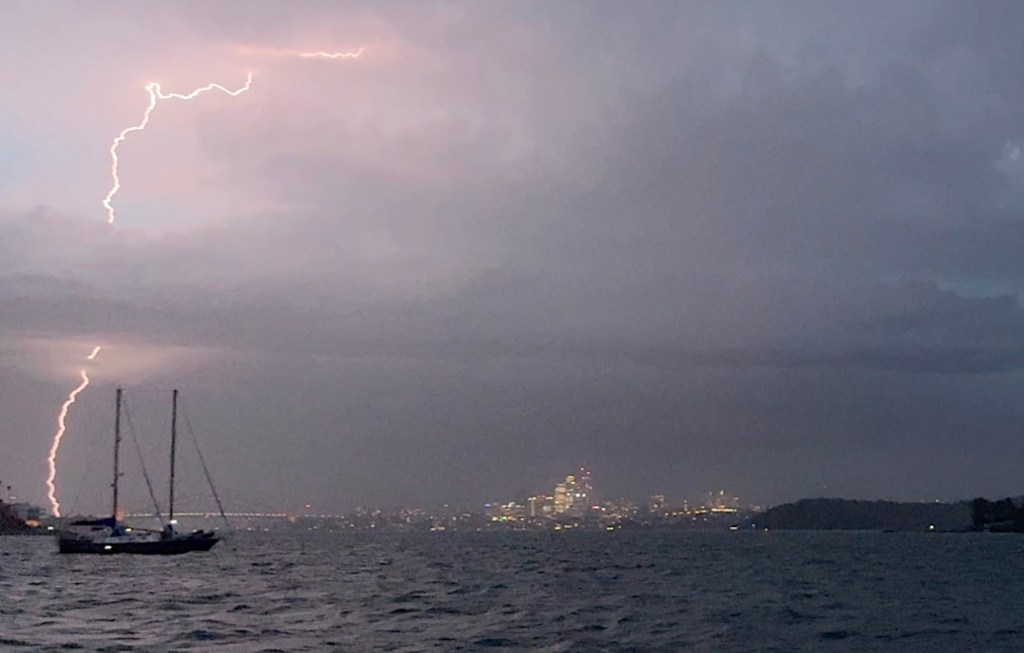

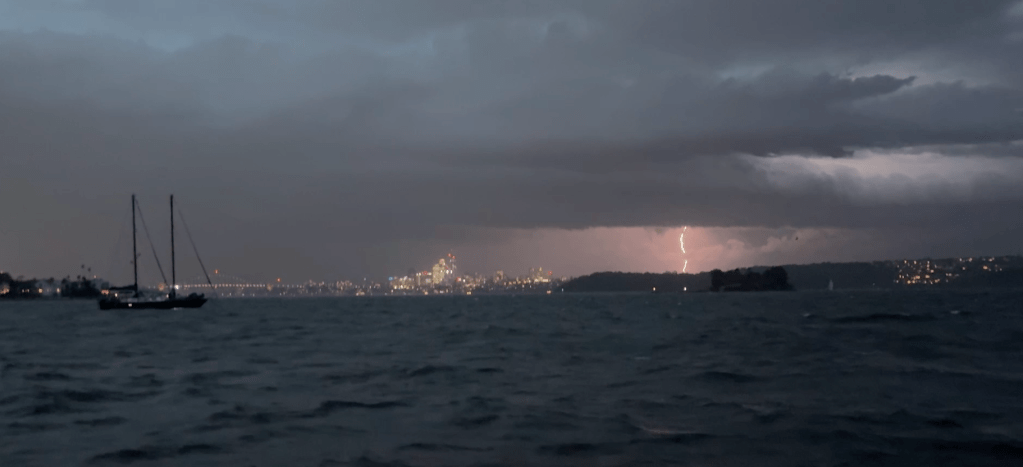


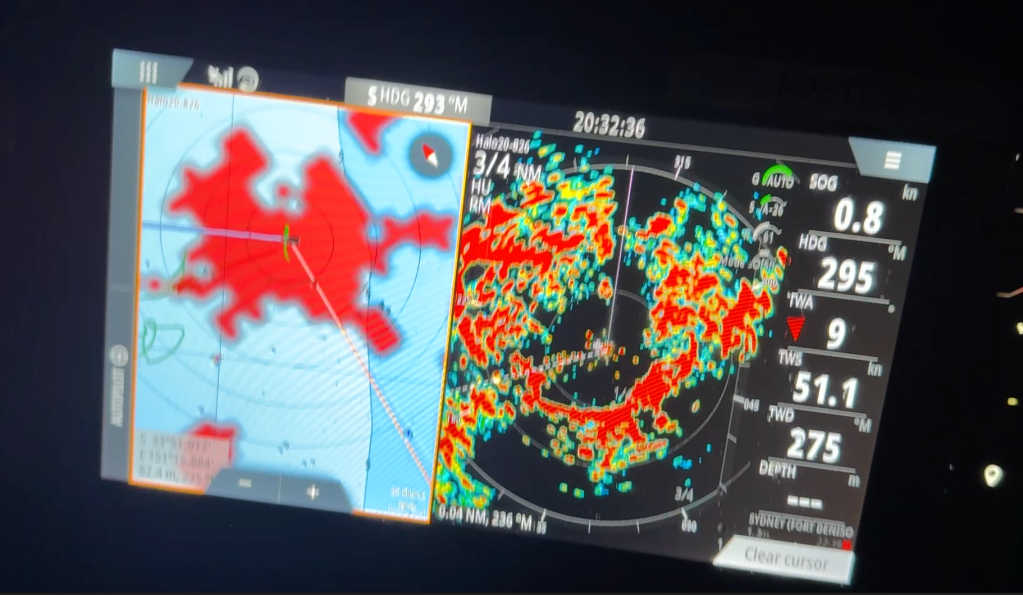
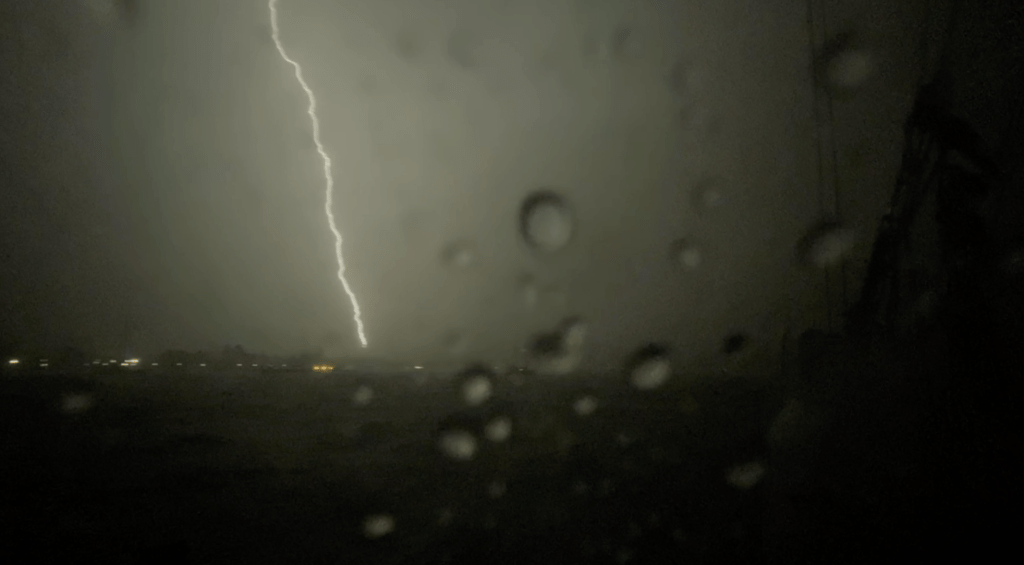
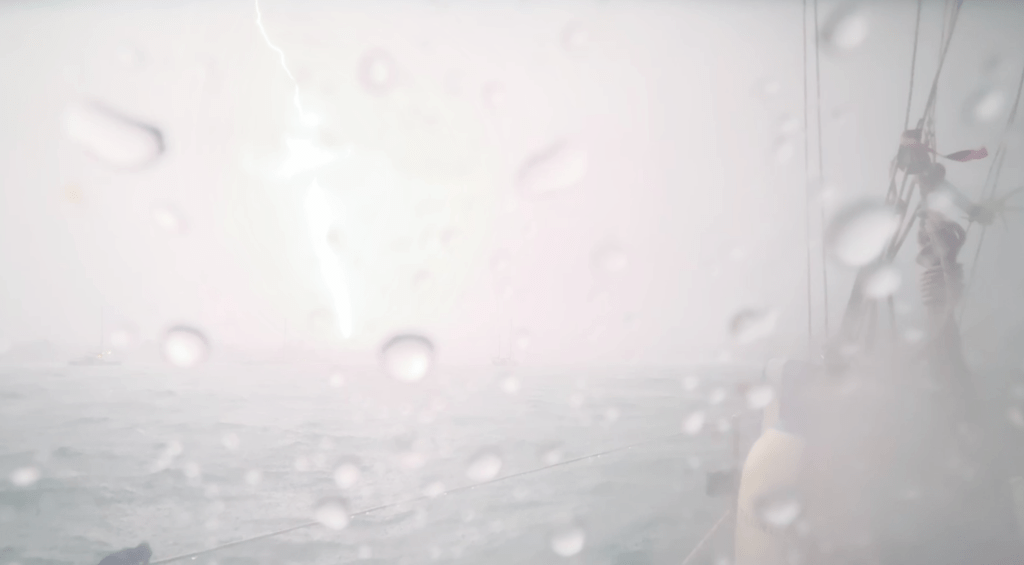

Below are three videos, uploaded to You Tube, which show the storm’s progression (clicking on the images below will allow them to play). They give a pretty good idea of what the experience was like. If you watch the second video you will hear an alarm at the end. This was our anchor alarm, which is intended to warn us when the boat moves a prescribed distance. Despite the scare it turned out that we weren’t dragging, merely swinging on the anchor a good way. Still, you can imagine why I stopped the video pretty hurriedly!
After an hour or so the worst of the storm had passed, though the lightning continued for some time afterwards. A little stunned and awed we went to bed, only to wake in a southerly gale. After the night before the 30 odd knot gusts of wind seemed pretty mundane, but they did prevent us from being able to leave the boat for the next three days. Incredibly, Taurus was held without any issue by our snubber, two 10mm lines of nylon (with 10mm chain as a back up of course) throughout. Modern rope is pretty amazing.
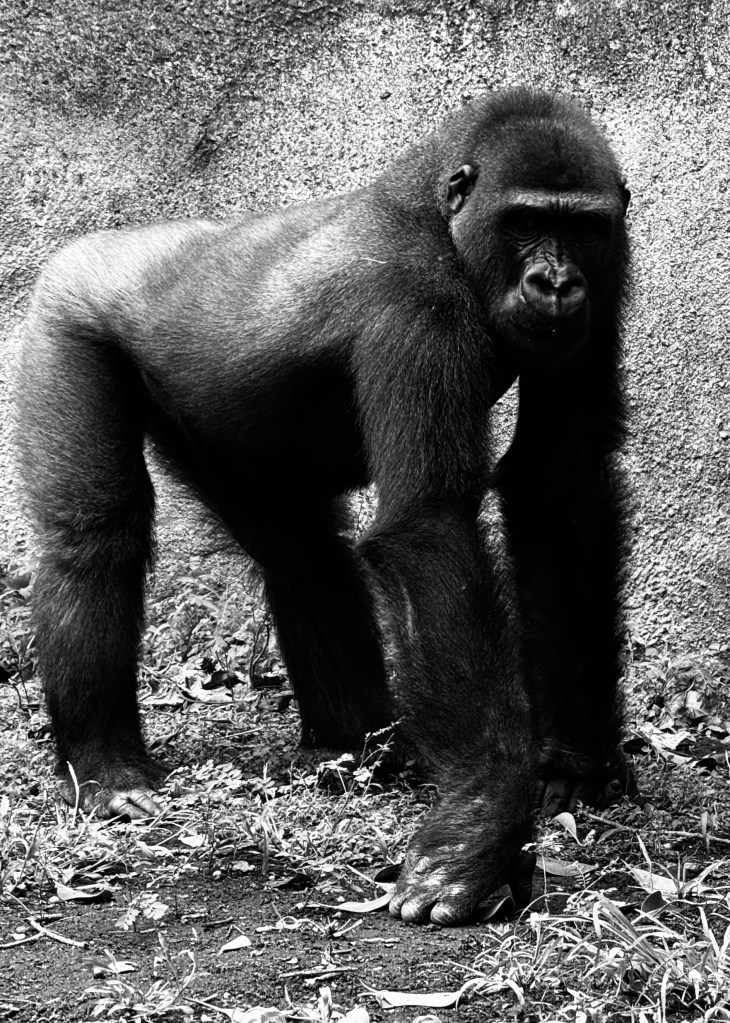
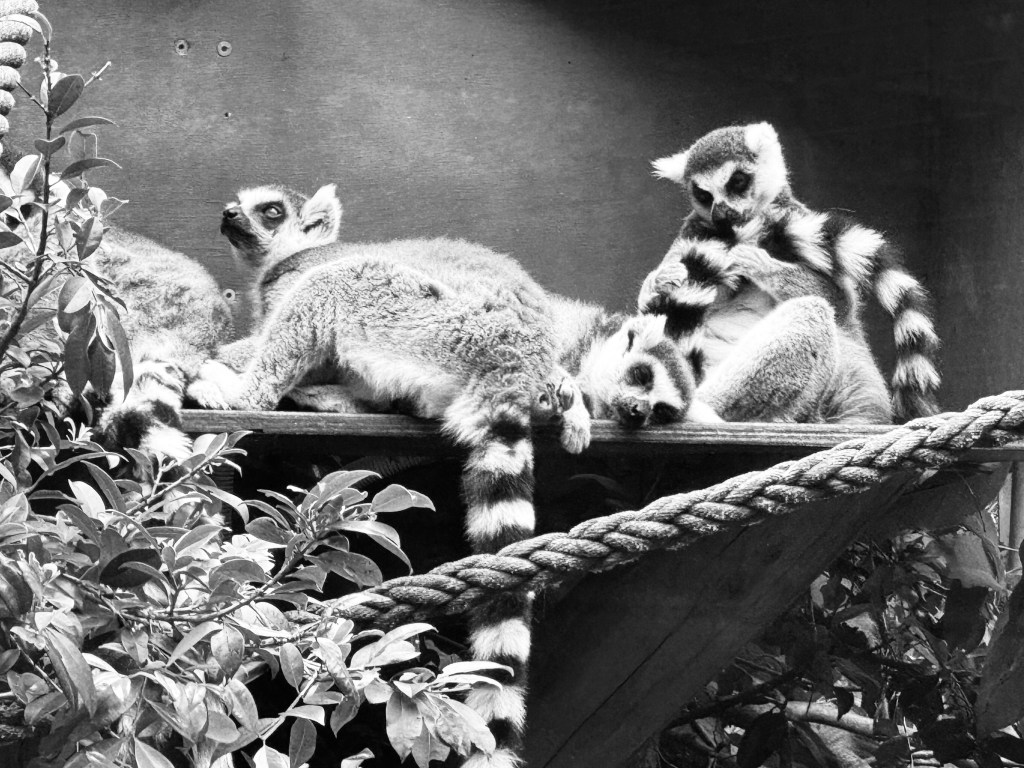
Once we could safely take the dinghy to the beach we decided a day out was in order, so we went to the zoo. Taronga Zoo sits on the harbour and enjoys spectacular views. The animals were pretty cool too.
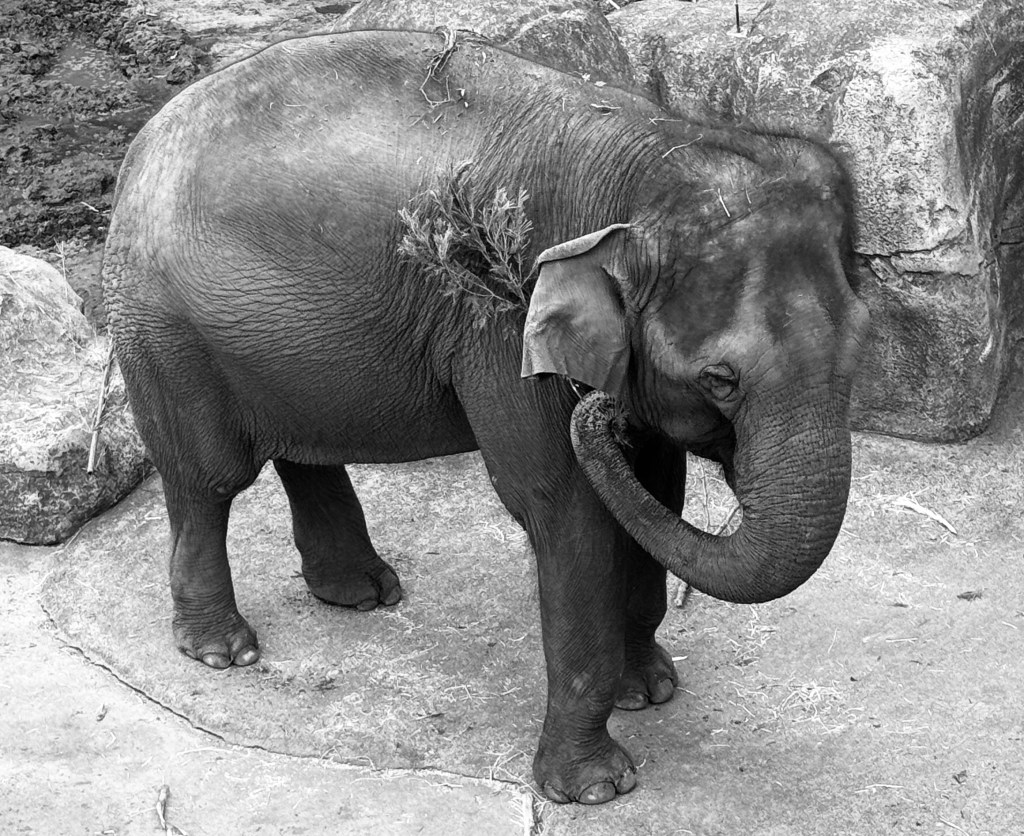
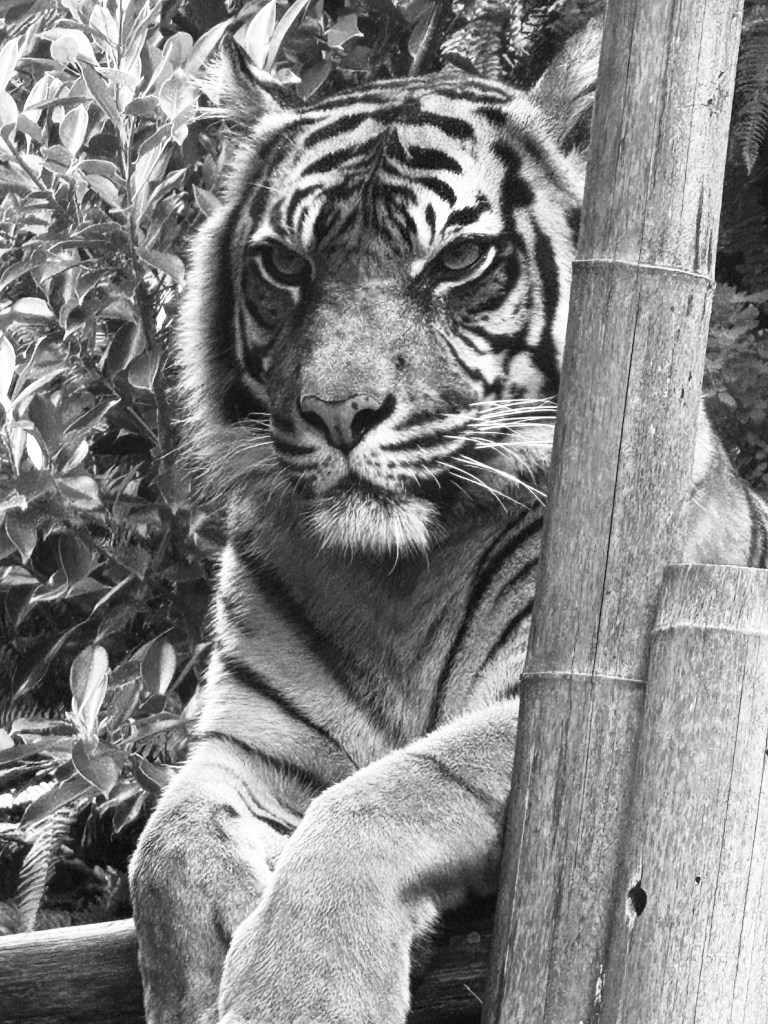
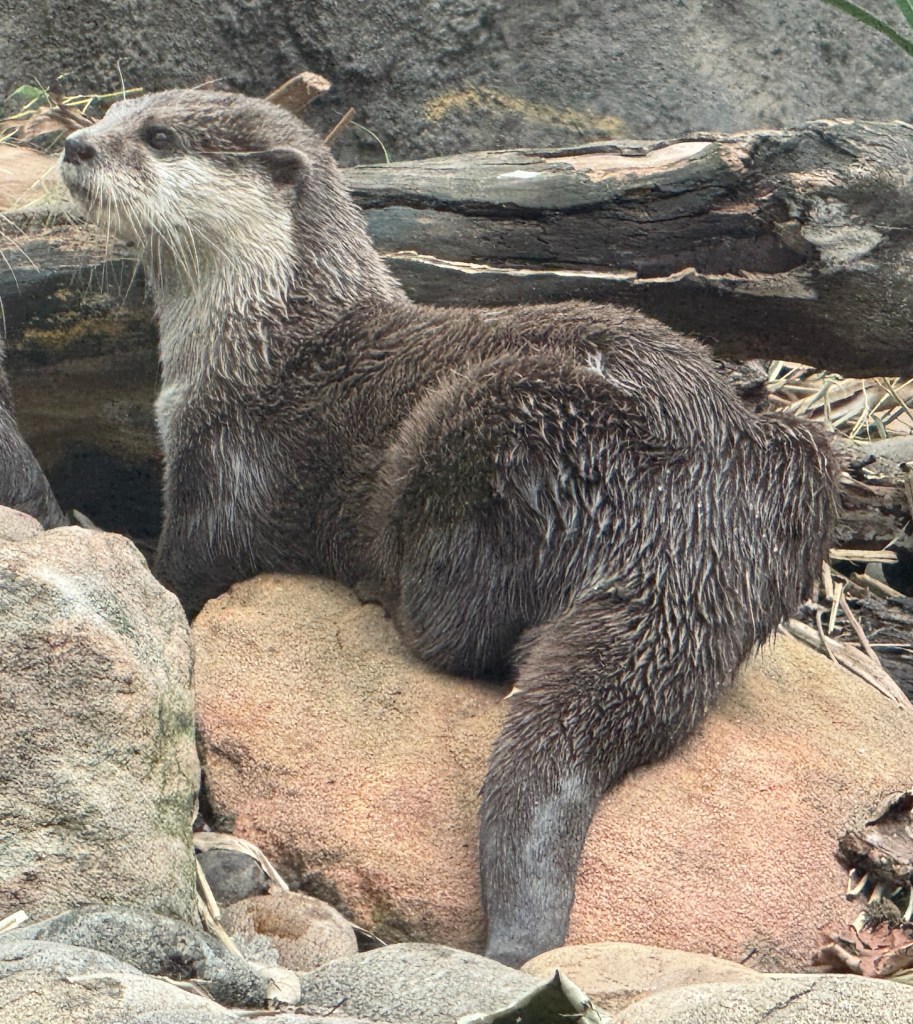
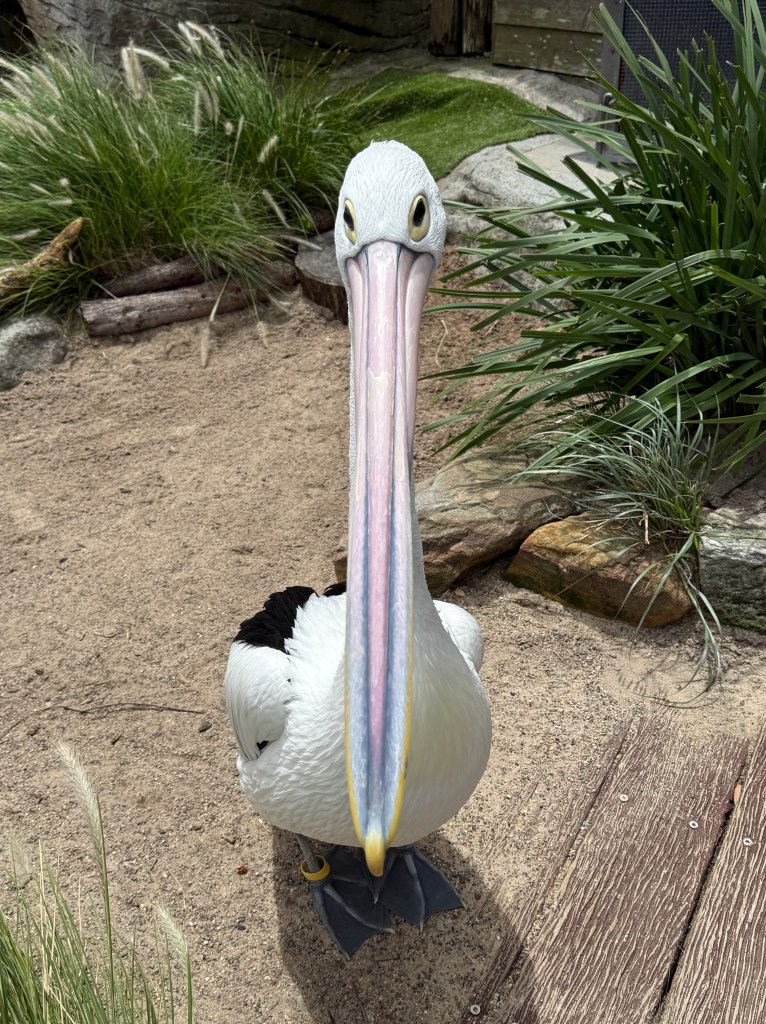

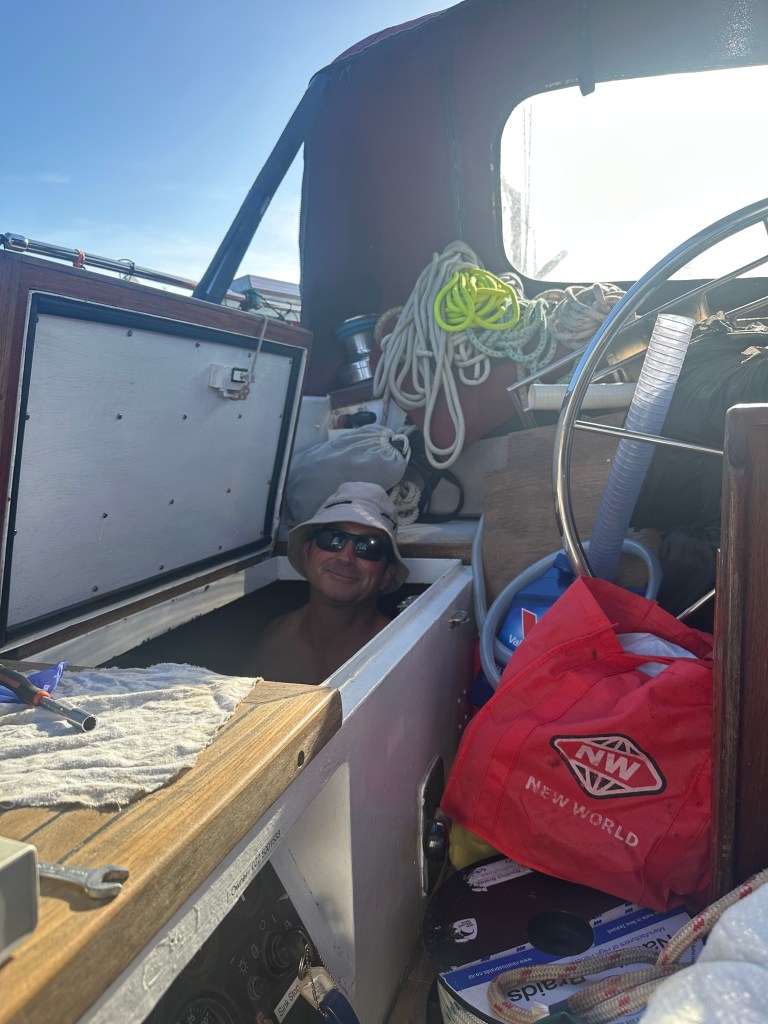
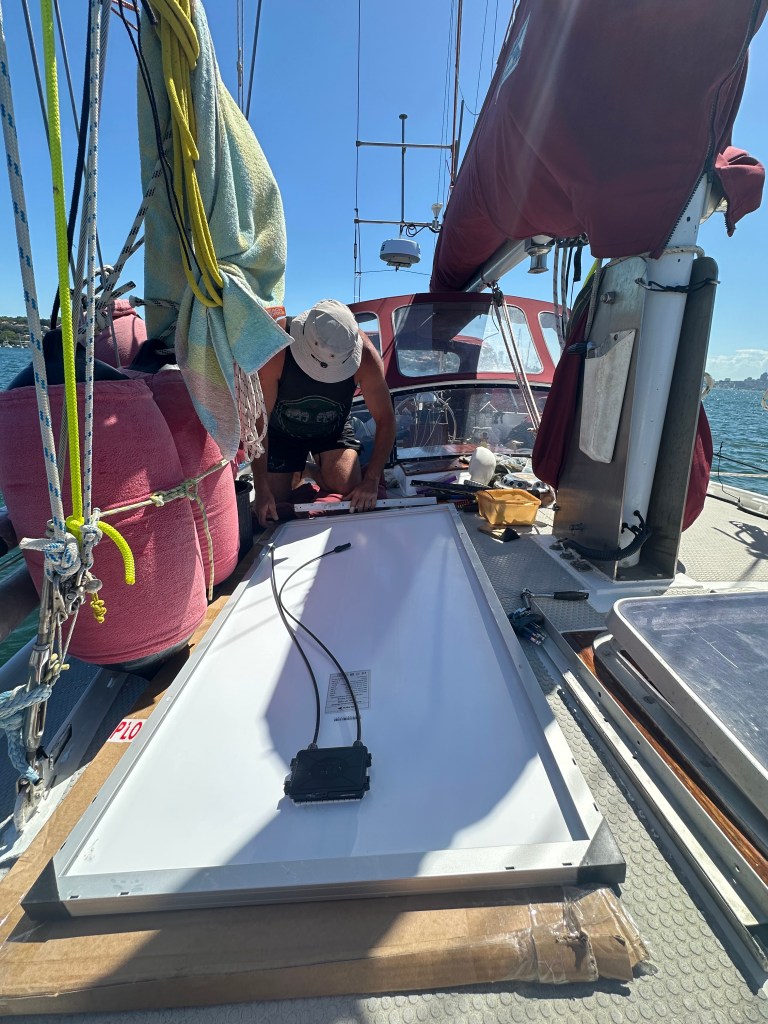
Of course, as ever, there were a few jobs to be done. We set to installing new solar panels and cleaning our blackwater pump —everyone’s favourite job.
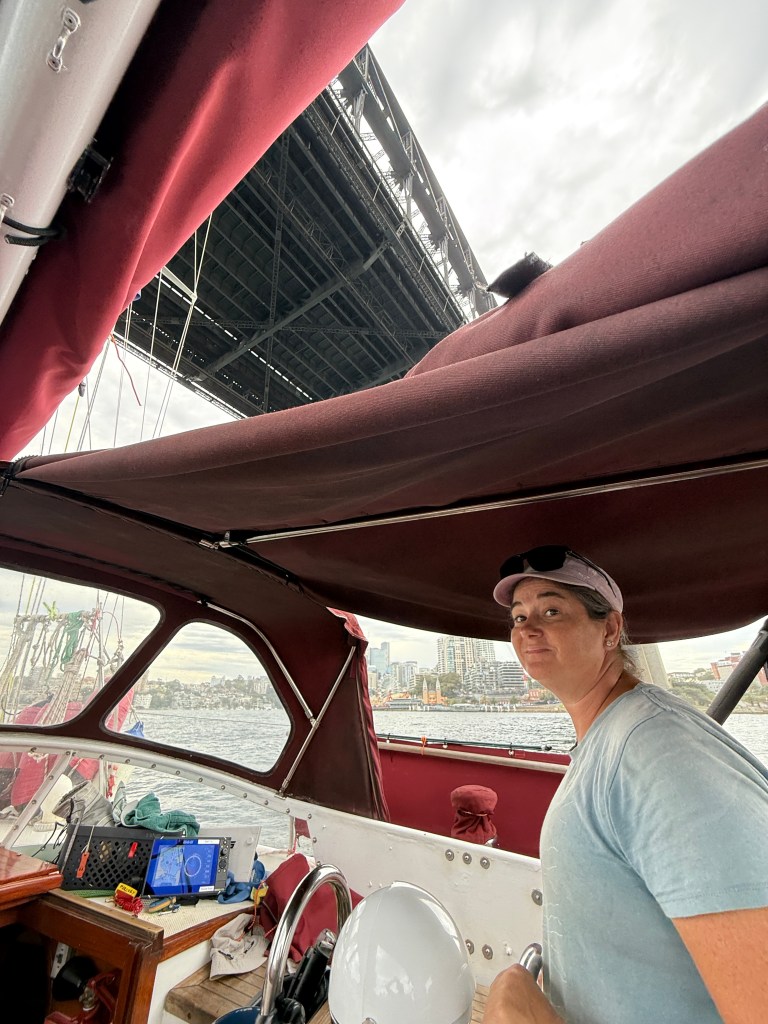
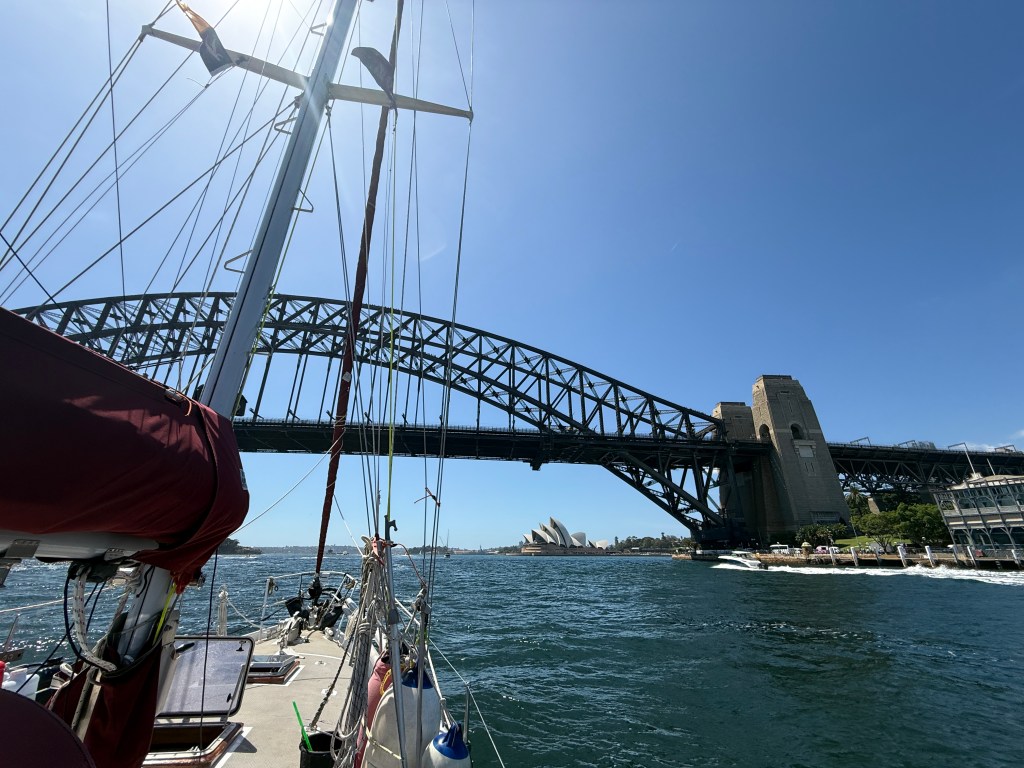
The next day we decided to shift to a new anchorage, and headed under the Sydney Harbour Bridge to Birkenhead, the site of a major discount store. At six the following morning we were rudely awakened by a crash and the sound of screaming. Thinking we might have dragged anchor into one of the super yachts in the marina opposite we jumped out of bed like a couple of released springs. We hadn’t dragged, rather a racing scull had powered right into Taurus’s bow, breaking one of their rowlocks and splitting the head of one of the female crew. Cara swung into action, and whilst I inspected Taurus she inspected the lady’s head. Then, the row boat being damaged and the injured party slightly hysterical, we took her in our dinghy back to the rowing club. Unfortunately our 8 horse power engine is currently on the blink so we had to take her some way with our small 3.3 hp run about. This has a small tank that ran out of petrol on the way home — luckily within rowing distance. All this before our morning coffee!
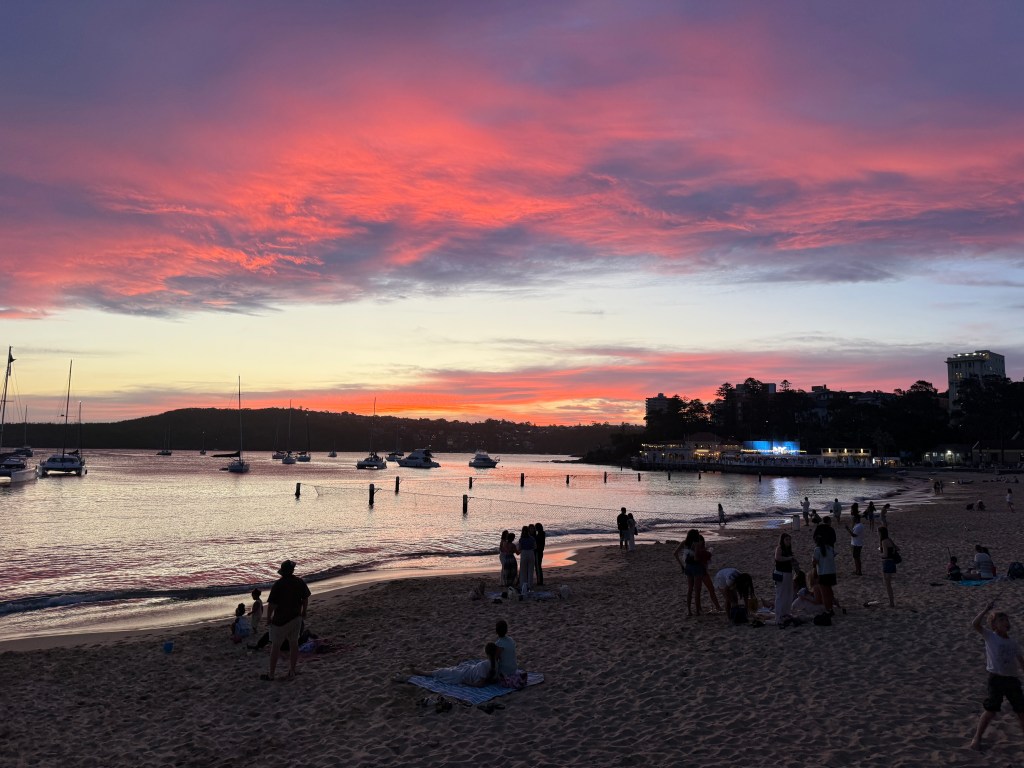
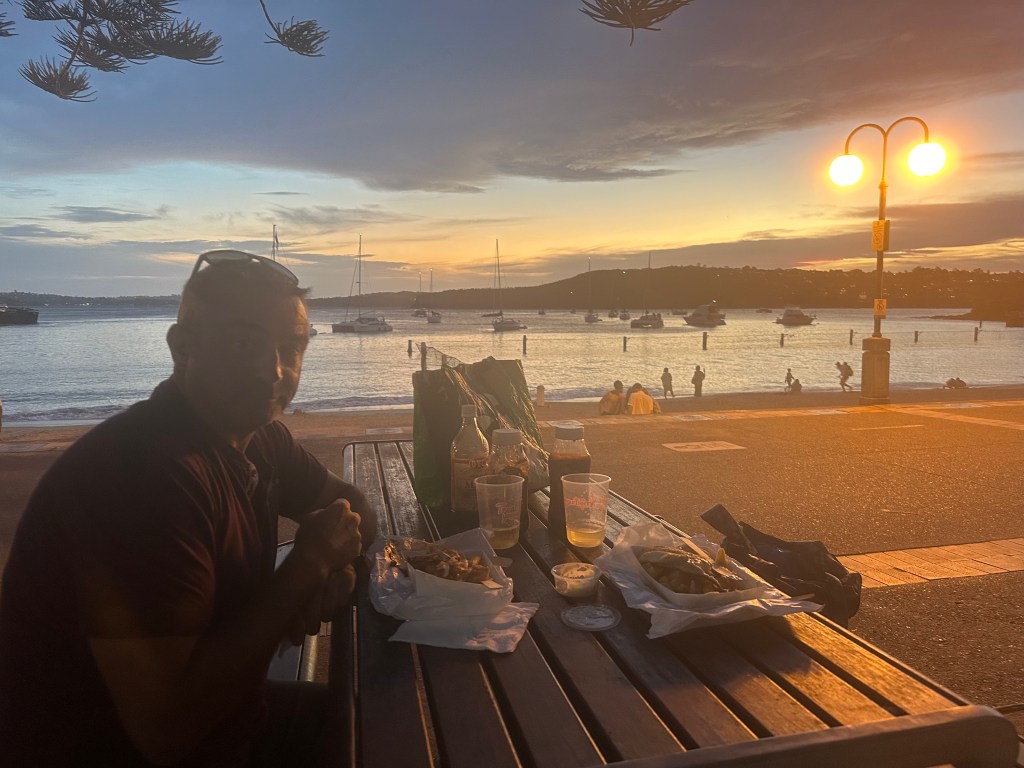
Our next destination was Manly, a popular beach area and playground for Sydney’s young, beautiful, and wealthy. I don’t fall into any of those categories, but Manly is a good jumping off point to leave Sydney. We snuck in, did some more clothes washing, and had fish and chips with wine out of plastic cups that we blagged from a yogurt store. How very sophisticated we are!
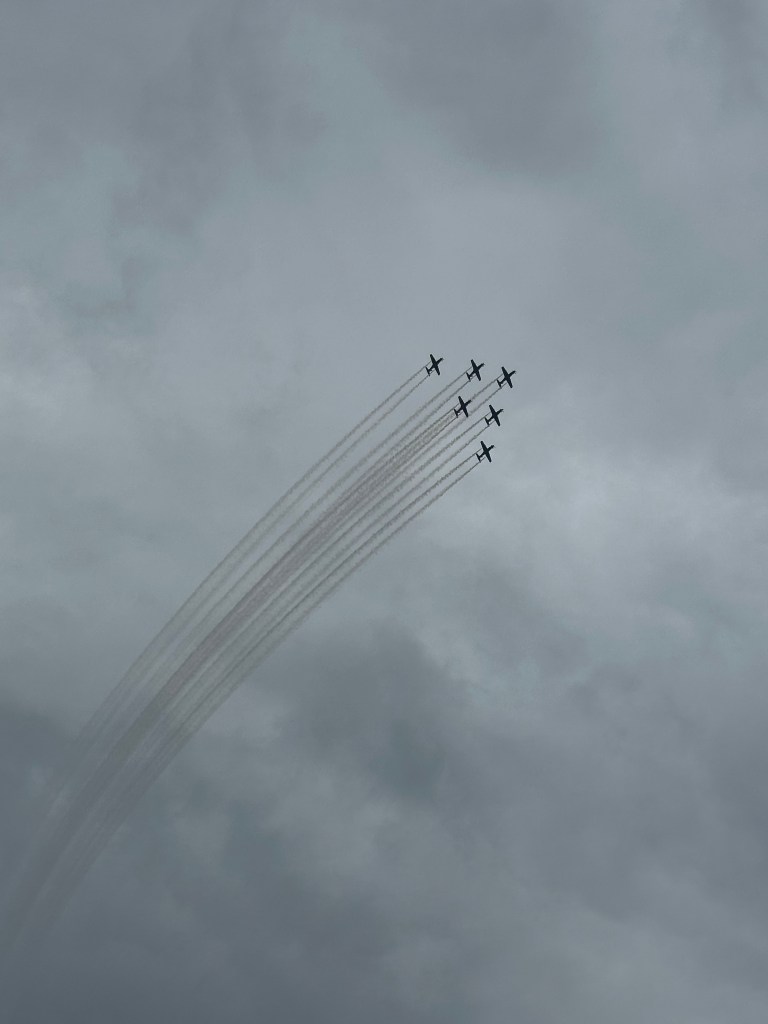
We had planned to leave at 5 am the next day to head to Jervis Bay about 12 hours away, but the wind remained absent until the early afternoon. This was fortunate in a way as we could watch some of the Australia Day celebrations, including a flypast and helicopter with a massive flag.

After lunch the wind finally appeared. We raised our sails and left Sydney, heading south for new horizons and new (gulp) adventures.
Next time: We sail to Jervis Bay, we break the boat, we get a tow from NSW Marine Rescue….
 Sailing Taurus NZ
Leave a comment