
With a favourable easterly wind predicted we decided to leave Tweed Heads in the early afternoon of New Year’s Eve.
Before our departure we went over to the nearby beach and had a quick dip, staying in shallow water due to the threat of sharks. On our way back to the boat we stopped to talk to the owner of another yacht who was anchored just in front of us, and who, I feared, might be sitting above our anchor which would prevent us from raising it. I wanted to ask if he could drive forward to give us more room. The guy on-board apologised and told us he couldn’t move, explaining that he had no sails and that his gearbox had failed when trying to anchor the night before. He had basically anchored whilst being dragged sideways by the tide. We were lucky to have avoided a collision. Happily, a short while later the change of tide moved everyone around enough for us to lift the hook and we headed out of the river and across the bar.
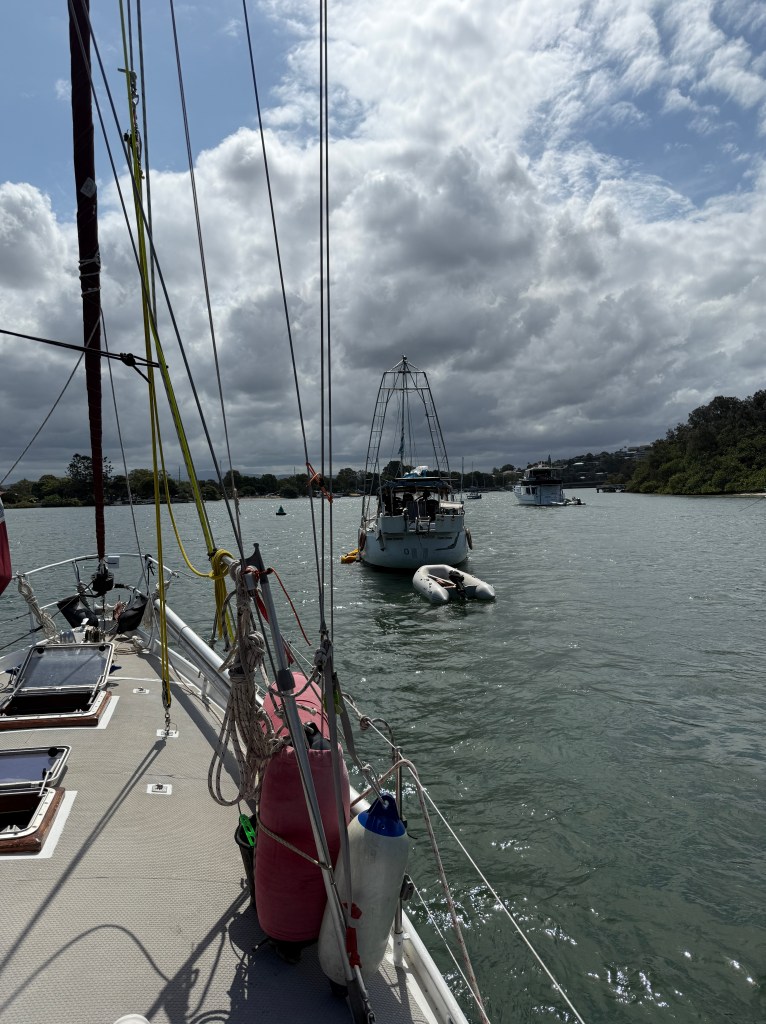
Our destination was Coffs Harbour, about 150 Nautical Miles away, some thirty hours of sailing at our average speed of 5 knots. Our sail was pretty relaxed and uneventful, and we spent New Years off Byron Bay, watching the fireworks in the distance.
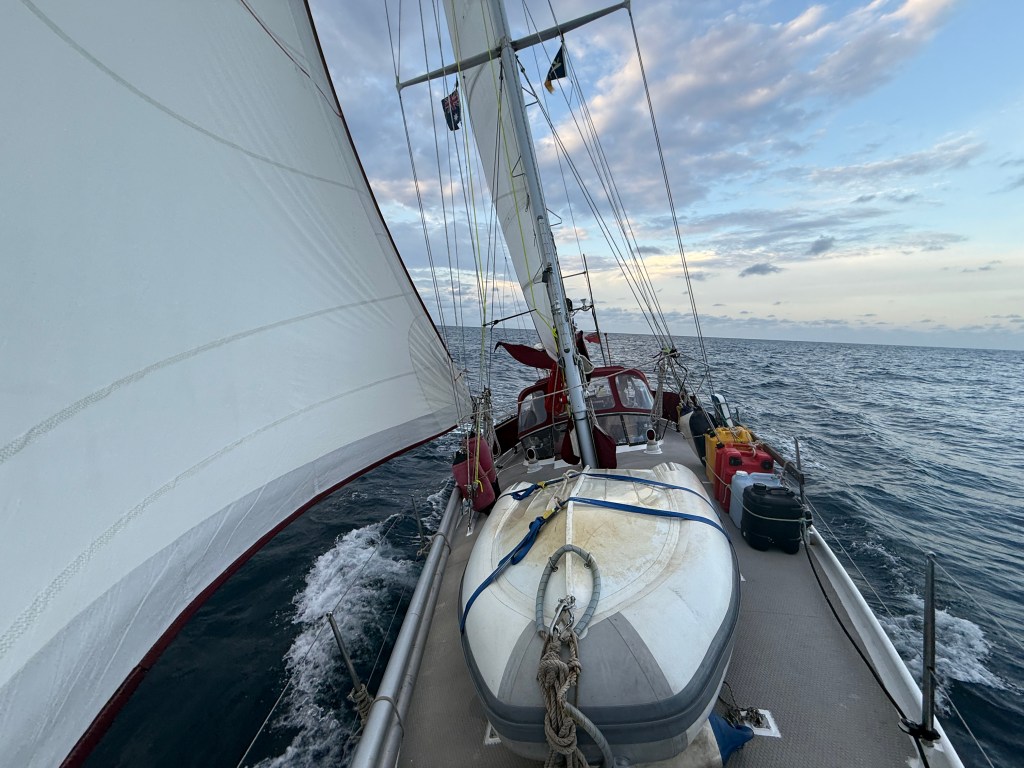

2025 started on a pleasant note with some unexpected positive feedback.. my thanks to the unknown cartographer, but surely the matter was never in any doubt!

Time passed slowly, as time does at sea when there’s nothing to do, and so we sat down to get on with a couple of projects. One of the things I had to do was add some material to our ‘red duster,’ the British civil ensign, which has been getting smaller and smaller as the end that flaps, frays and breaks down. We had bought some material in Tweed Heads and I thought the job had been quite successful until I later talked to a Canadian guy in a boat anchored next to us. He told me that he had been wondering what flag we were flying, being unsure as to the pink and red design…

Day turned into evening again, and at about 11:00 pm we began our approach into Coffs Harbour. The harbour is chiefly a fishing port with a small marina but is well set up with a wide mouth, fantastic leading lights, and no bar. As such our entry, even in the dark, was nice and easy.

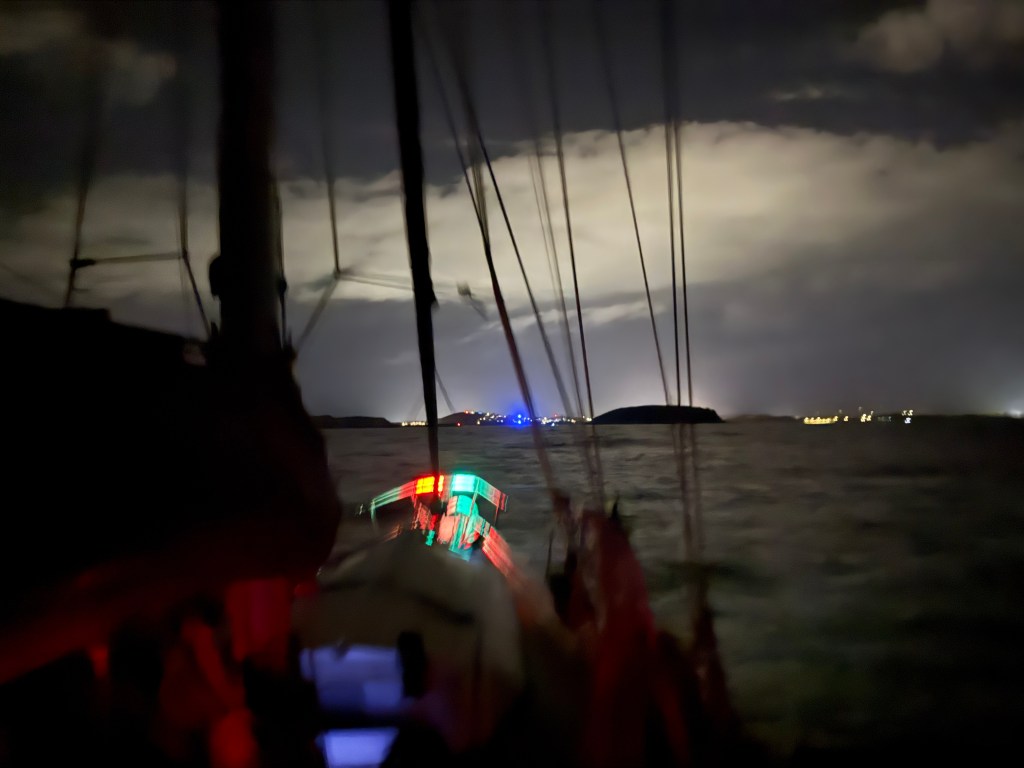
We could see a few yachts in the wide bay ahead, so chose an empty spot and dropped the anchor.
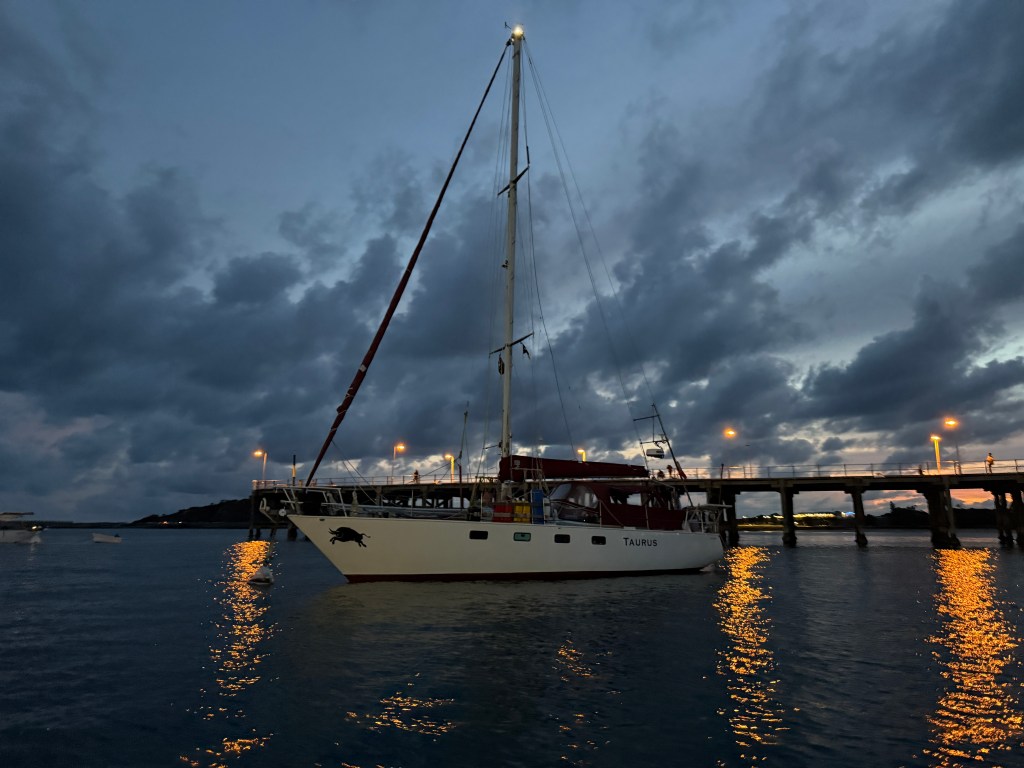
We slept well, but the bay was quite rolly due to the swell from the east. Roughly divided into two unequal parts by a long jetty, we had anchored in the larger southern part, but decided to move to the northern part, just past the jetty, where a couple of public moorings have been laid. To the north of this is a small protected area that houses the marina and fishing boats.
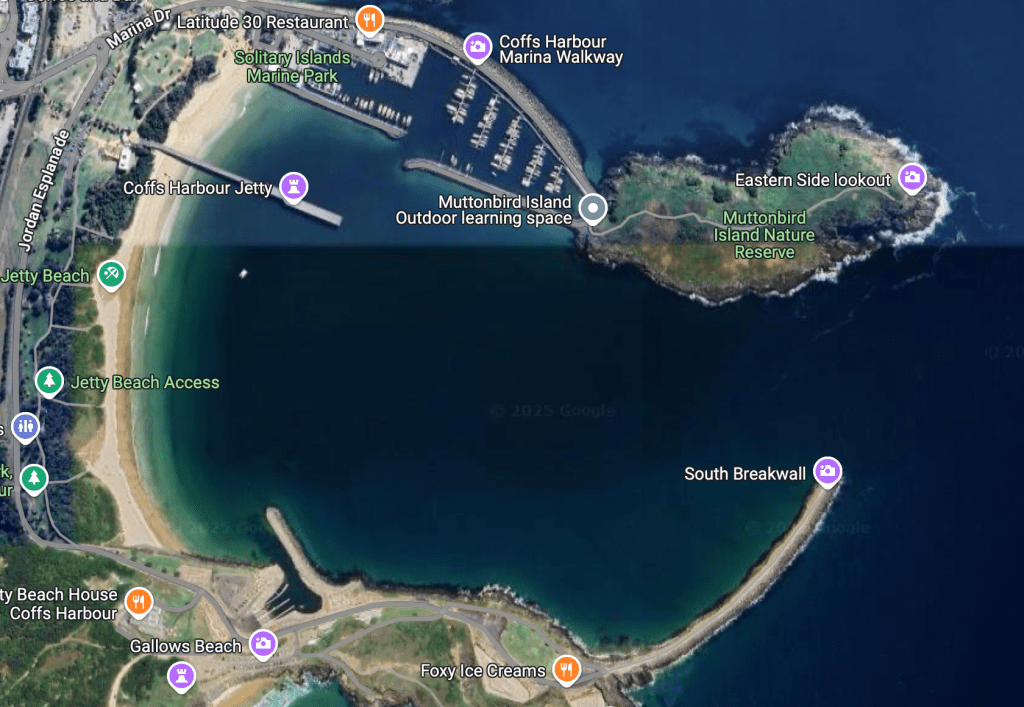
In our new spot the swell was much better and we resolved to save our money and not use the marina. As usual we had a few jobs to do. One of these was to clean the Hydrovane rudder which, not having been anti-fouled at the same time as the hull, was getting pretty encrusted with barnacles. We tried cleaning it in situ but ultimately chose to remove it to clean it on deck. Once clean, we hung it up and gave it a coat of etch primer and two of anti-foul. A nice quick and satisfying job.

Feeling virtuous we headed into the protected harbour to visit the local chandler and town. Unfortunately many shops, including the chandler, were closed for the holidays, but it was nice to wander round. Coffs seemed like a nice place, much smaller and less consumer focussed than the touristy Gold Coast cities we had grown used to. Back on the boat we were entertained all day by children leaping from the jetty, upsetting the turtles and odd dolphin.
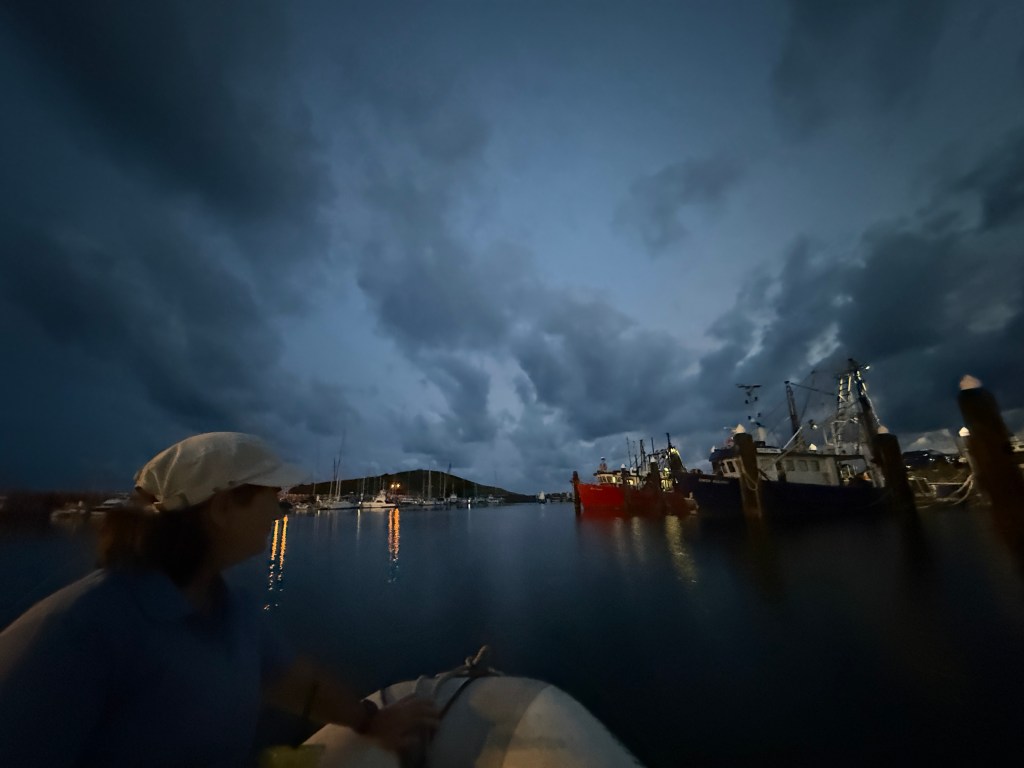
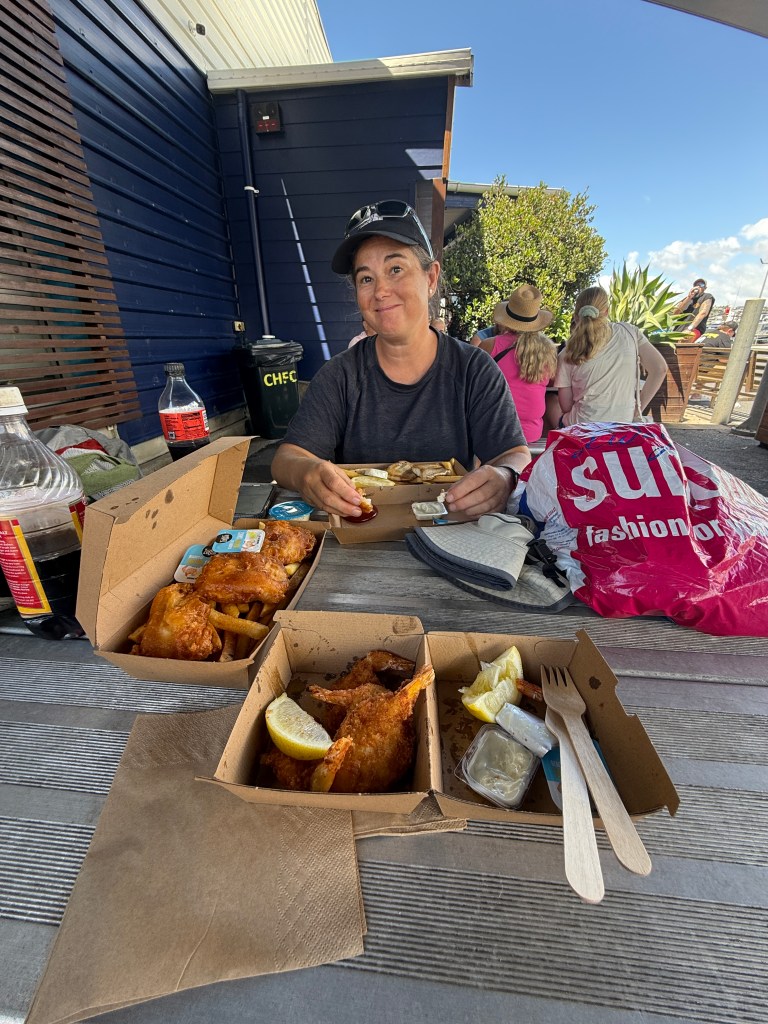
Next day we stretched our legs with a walk up to the Mutton Island reserve before feasting on fish and chips from the fisherman’s co-operative shop. Fish doesn’t get much fresher.

Unfortunately, there was little time to stop and relax. We were still trying to get to Sydney before the 10th of January to meet our friend Eugene. With the prevailing weather coming from the south we had to make the most of every opportunity to head that way.
Thus on the 4th of January we were off again. Our destination this time was a place called Pittwater, about 240 NMs distant.

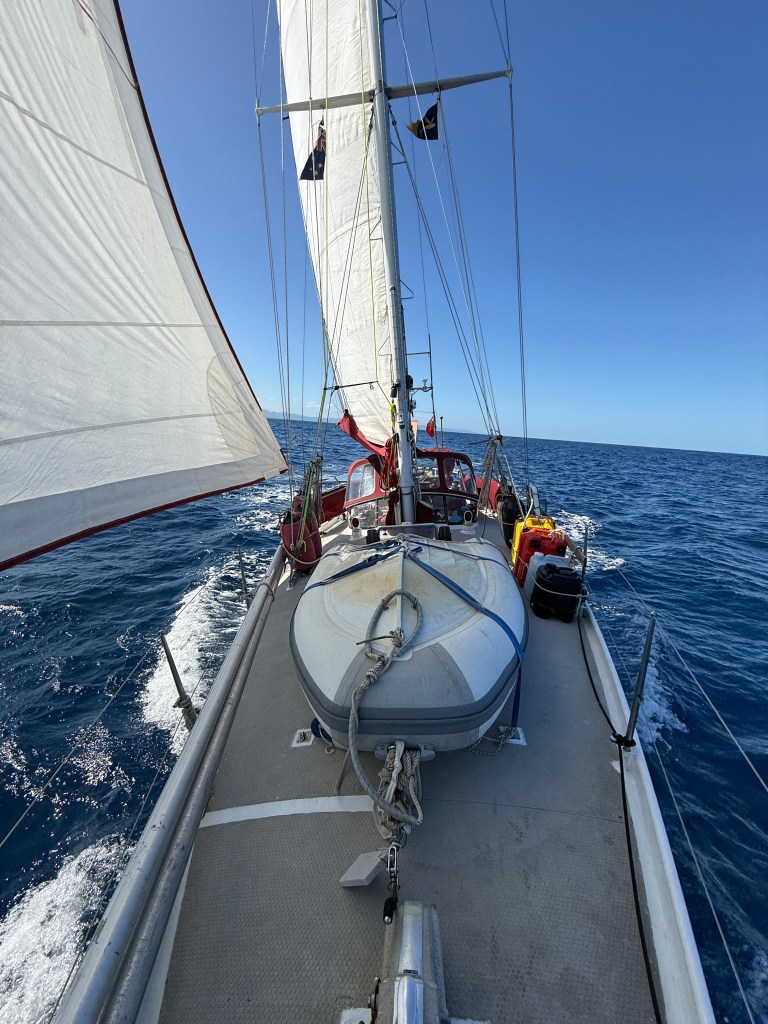

As previously mentioned, Taurus’ average speed is about 5 knots. Less in light winds or lumpy sea states, more with a stronger breeze at the right angle of sail. On this sail, however, we were blown away to find ourselves consistently sailing at a speed far higher than we would expect in the light wind conditions. This it turned out was due to the East Australian Current, which was adding at least a couple of knots to our speed, enabling us to do 8 knots in less than 12 knots of wind. Fun!

The sailing was spectacular, but all too soon the wind shifted to a northerly and we were pointing straight downwind. We poled out the jib and continued to sail fast, but the rolling motion was pretty uncomfortable.
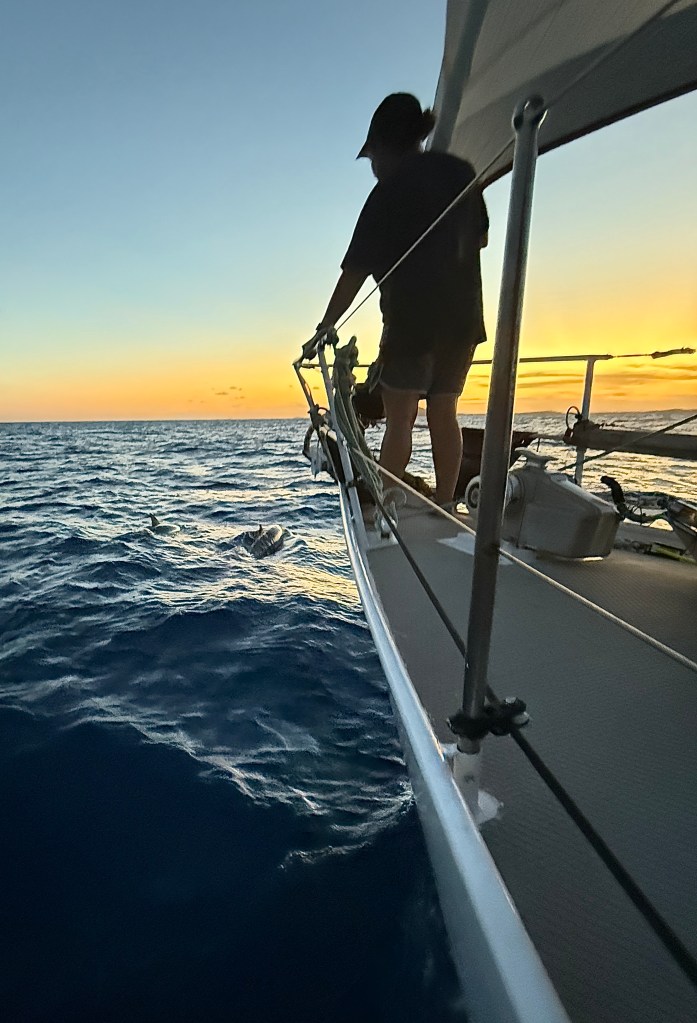
As if to distract us from the constant motion, a pod of dolphins arrived just before sunset and frolicked at the bow until dark.

The next day the wind continued to rise and we were soon surfing down some pretty big waves in 20 knots. As we got closer to Sydney the marine traffic increased considerably. With the jib still poled out we were starting to struggle with our heading angles, there being little lee way with this sail configuration. Just before dark we were contacted by a large container ship, 200m long, but still some seven NMs away. The voice on the radio asked us to pass starboard to starboard, that is right side of the ship to right side of ship. To do this would have required us to jibe sharply to port, something impossible with the jib poled out, and then to starboard. I answered that we were a sailing yacht and that the wind angle prevented us from taking the requested position. Much to my surprise the voice came back, saying “oh you sailing boat, we move for you.” Normally everyone gets out of the way of these behemoths, the mantra ‘might is right’ having some bearing, but more importantly the stopping distance and difficulty in manoeuvring these massive ships means everyone else shifts for them. However, on this occasion the container ship adjusted course by a few degrees and we sailed blithely on.
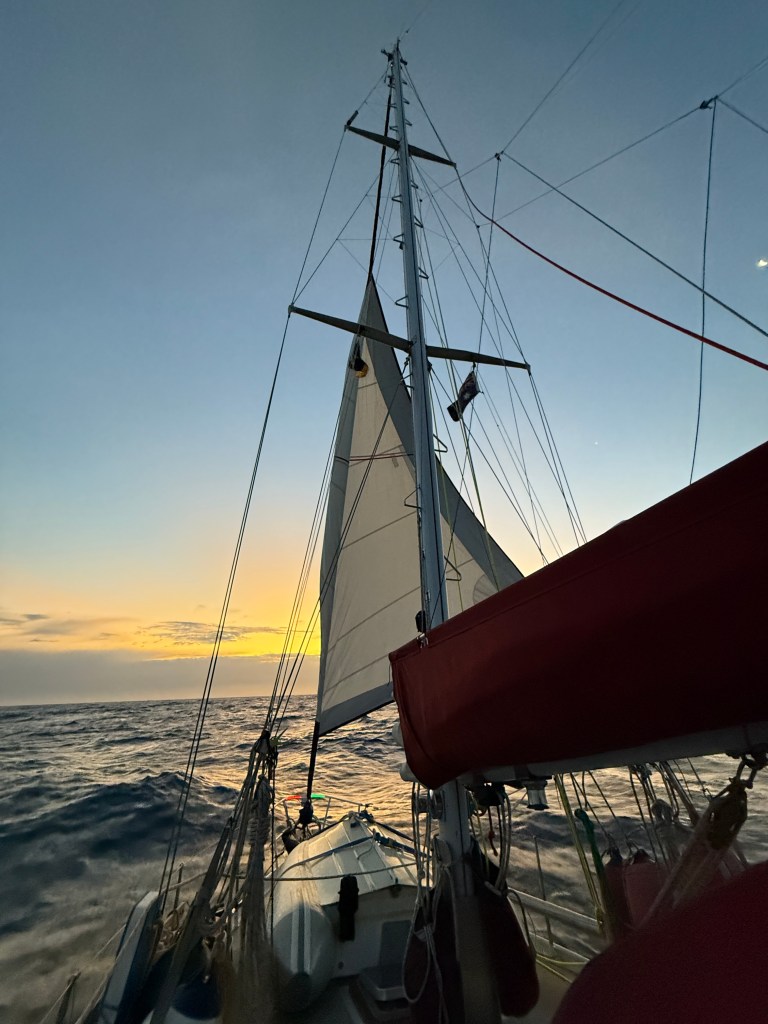
I confess that as it grew dark and the wind and waves continued to rise I began to grow worried about our decision to leave the jib poled out. We had reefed the jib considerably, but left the pole up because we were moving across the face of the wind a good deal as we surfed down the waves. Without the pole the jib would repeatedly collapse and snap back as the wind refilled it. The forces on gear as this happens over and over and over are considerable, as is the wearing effect on the crew. It was with some relief then that the wind dropped and we could put the sails to bed and motor the last 5NMs into Pittwater.
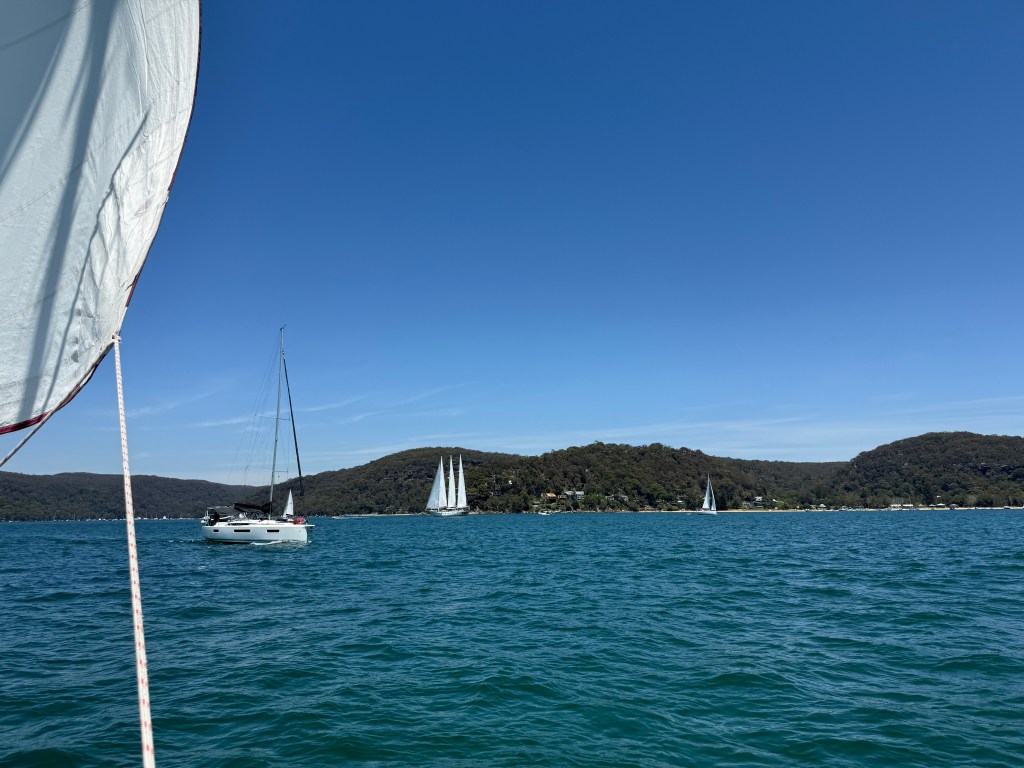
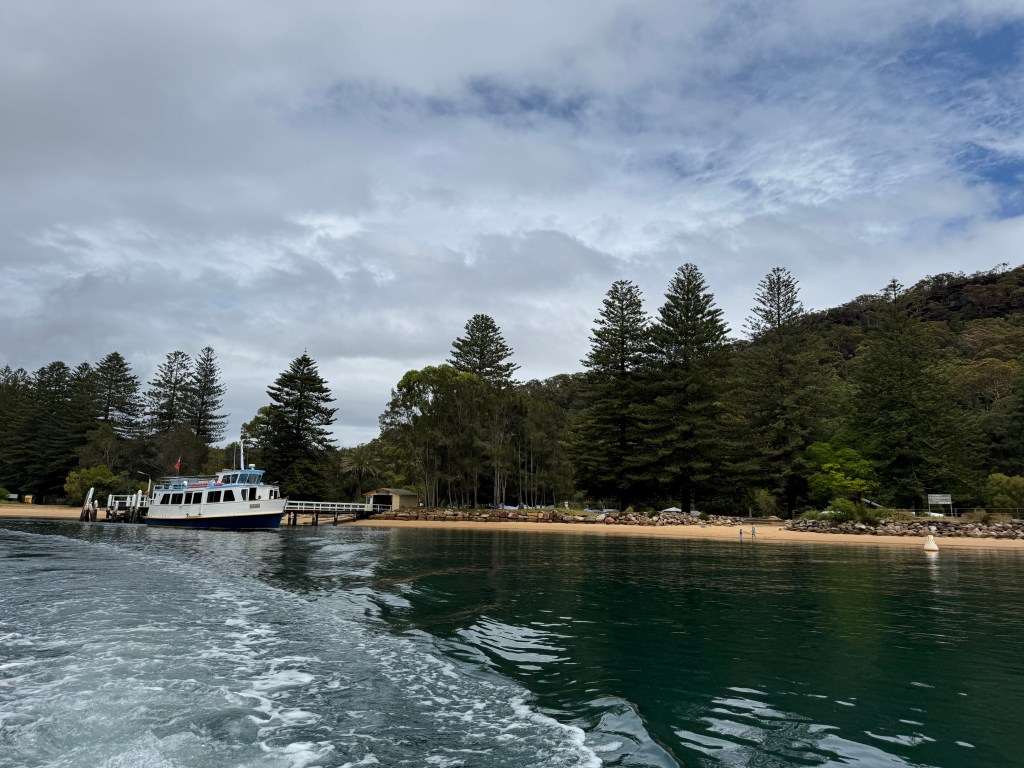
Pittwater is a drowned valley estuary boarded by national parks about 40 kilometres north of the Sydney CBD. Being so close it has become more or less a Sydney suburb, and the place where many Sydneyites choose to leave their boats. Happily, some of our friends from the Pacific were currently there, Ron and Sue from Eudora and Karl and Elaine from Salsa.
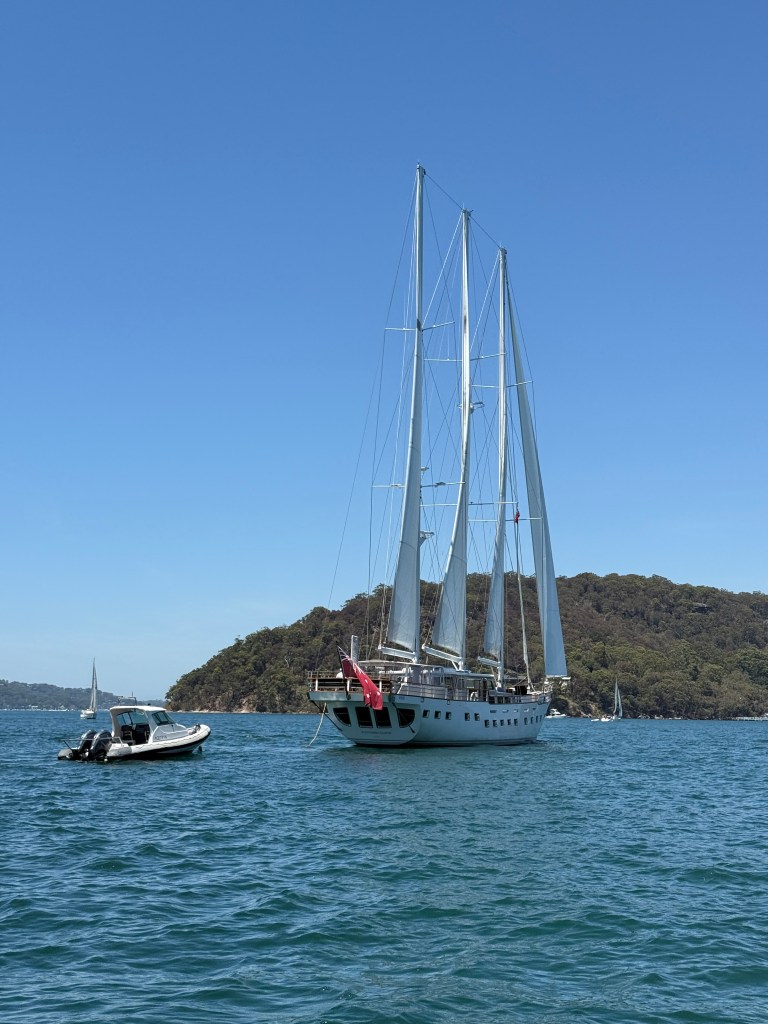
On arrival we had anchored in a safe but fairly exposed spot, not wishing to blunder around in the dark. So in the morning we sought advice and found a nice mooring, courtesy of the Royal Sydney Yacht Squadron, in Coasters Retreat, aka ‘The Basin.’ Pittwater would have been idyllic at one time, and it is still spectacular, but today, especially at this time of the year, it’s a bit hectic. From multi-million dollar super yachts to the humblest of tinnies, all can be found with their owners trying to enjoy time on the water.
One of the advantages of The Basin is that a campsite is located next to the mooring field. We soon found our way to shore to get rid of some rubbish and pay a A$1 for a hot shower.
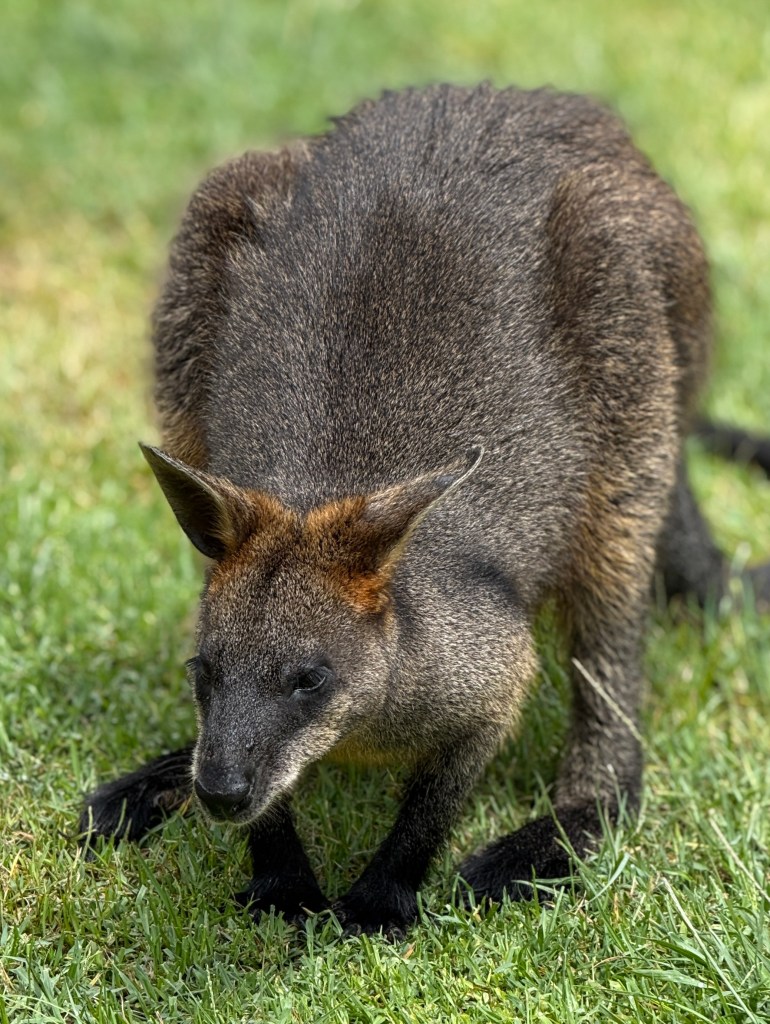
Semi-tame wallabies were an added attraction on land. These marsupials, an Australian icon, are a growing pest in New Zealand where they are shot with zeal in order, hopefully, to prevent them from becoming endemic. It is also held by some that too many Wallabies in New Zealand will drastically reduce the quality of the national sport, but of this I know nothing.
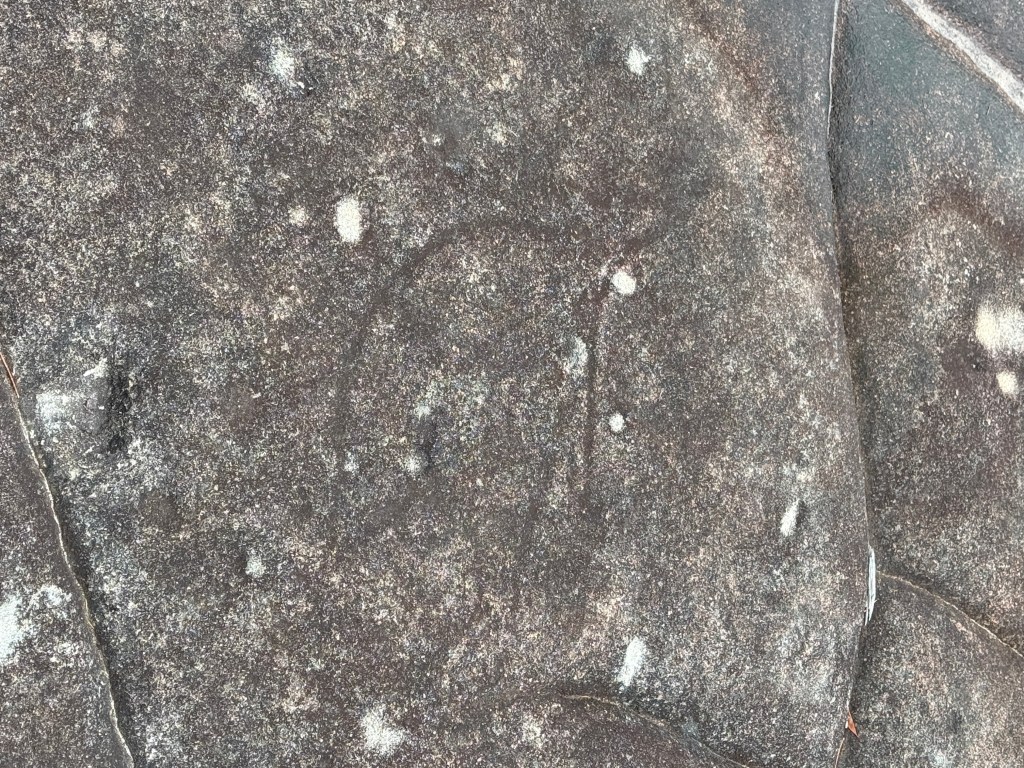
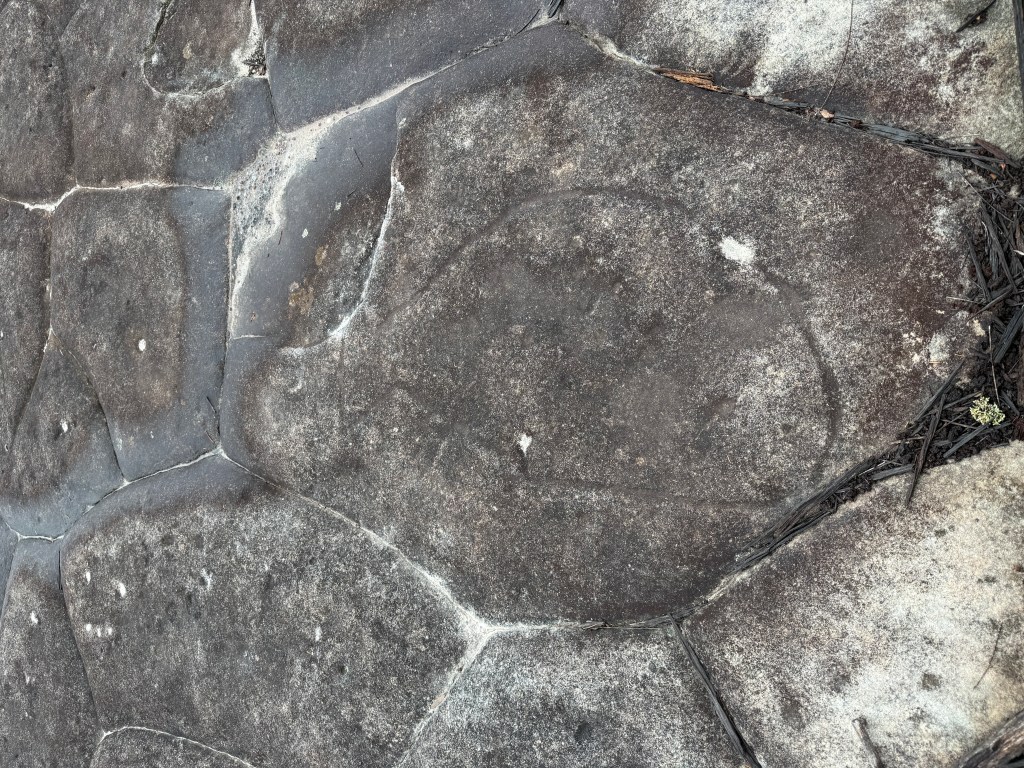
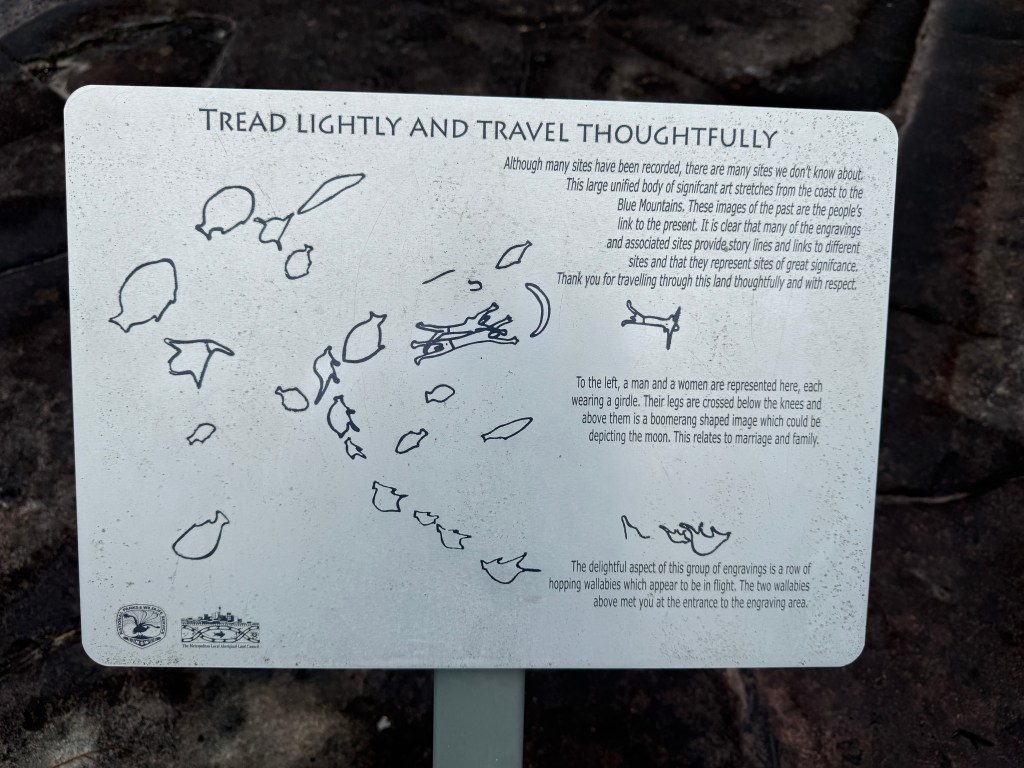
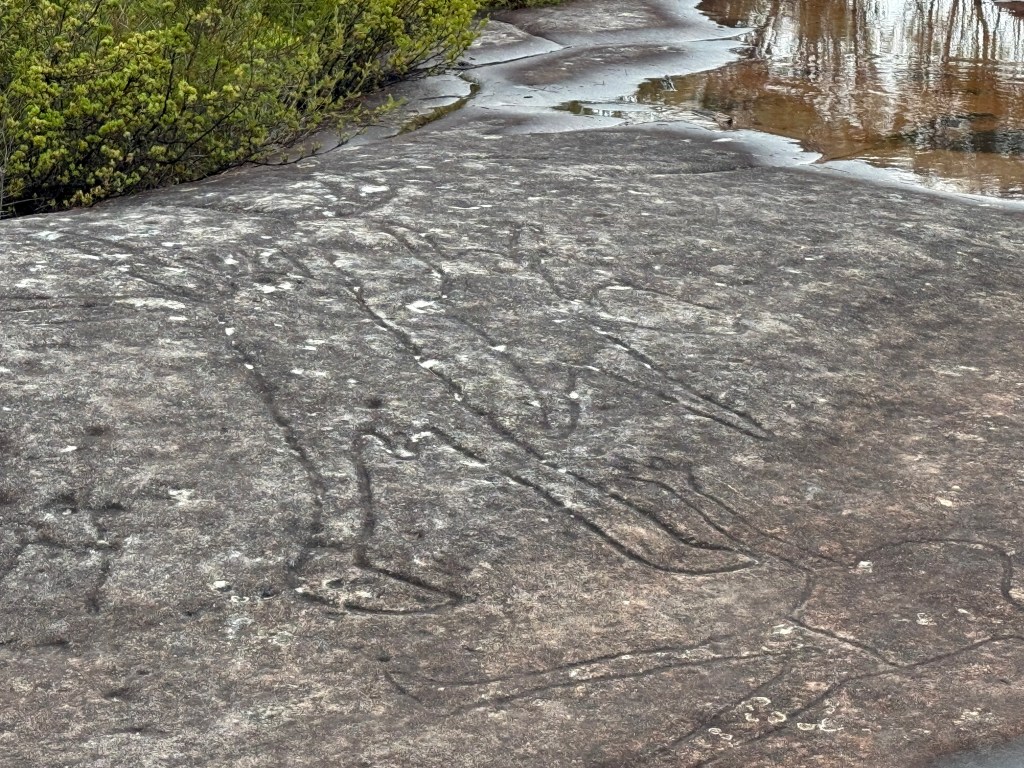
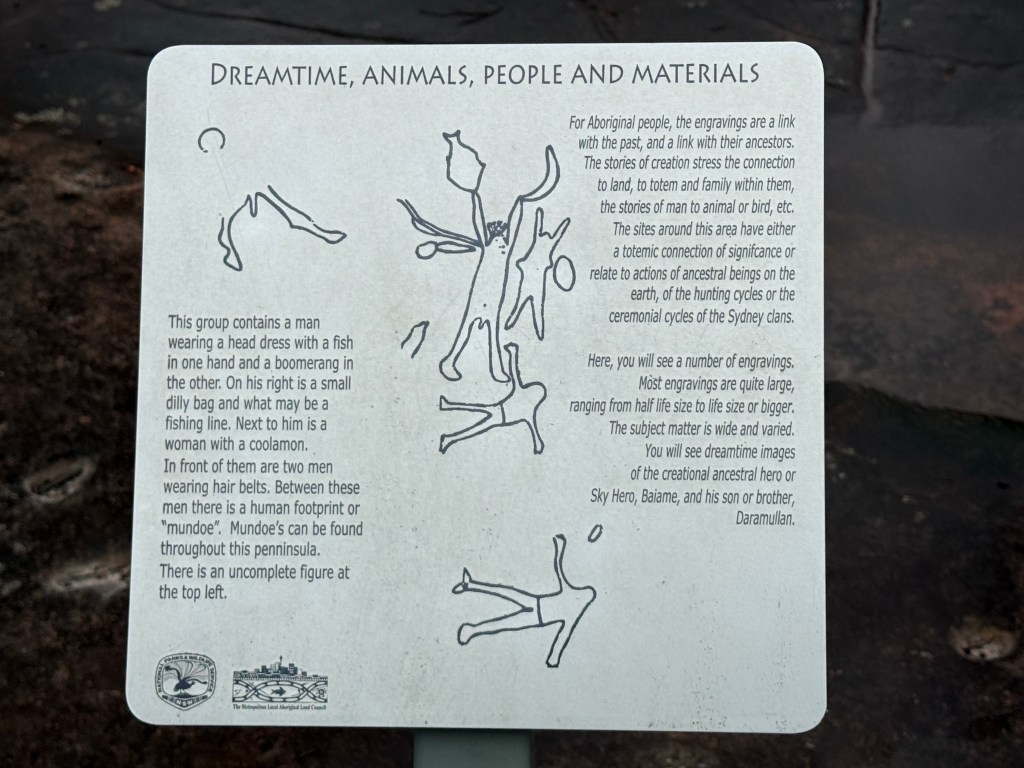
The campground also held a signpost pointing towards Aboriginal carvings. The walk followed a wide concrete road up a steep hill, but after so much time on the boat it was nice to move and work our bodies a bit. The carvings were pretty interesting and may be up to a thousand years old.

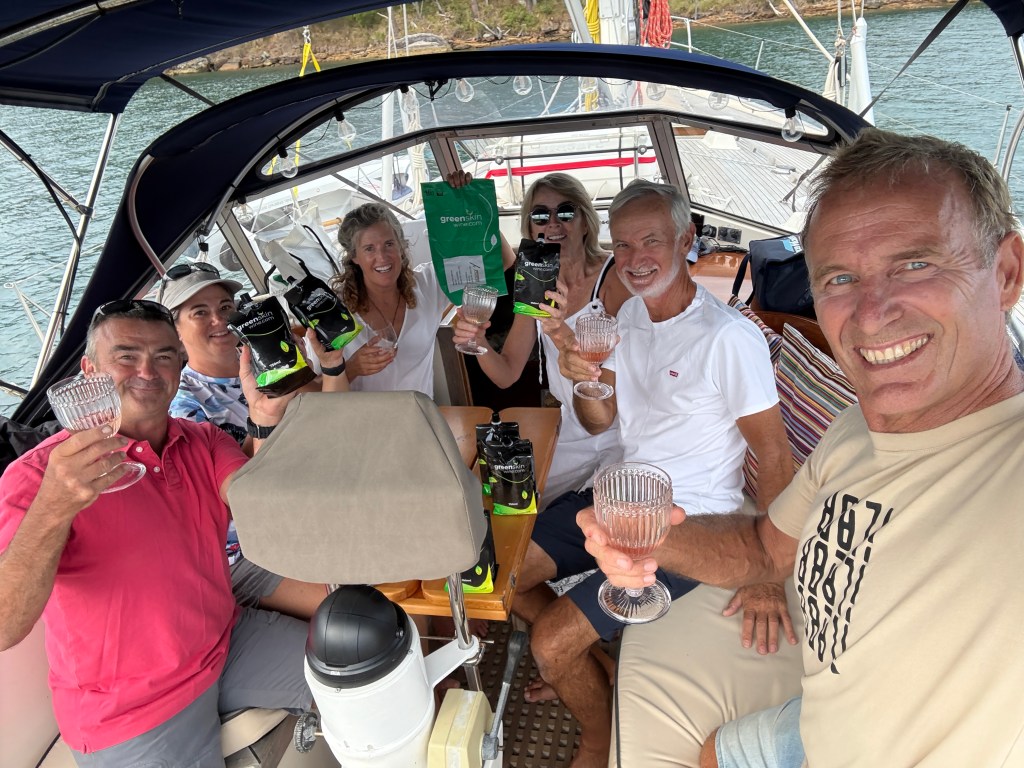
The highlight of our time in Pittwater was getting together with our friends for sundowners and a catch up. Karl kindly picked everyone up and took them back to his and Elaine’s yacht in Morning Bay. Cara and I took along the last of the Green Skin wine to share out amongst other members of the Pacific Rally as requested, and a good night was had by all.
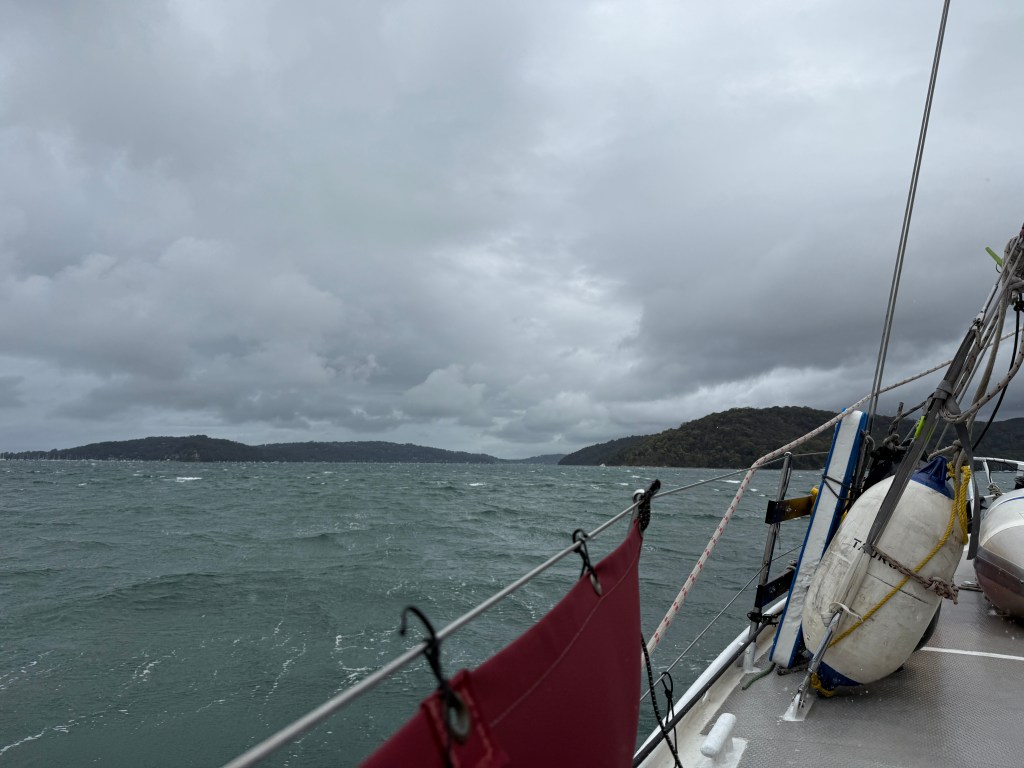
Still needing to get to Sydney we left early the next morning. However, the forecast was entirely wrong and instead of a light to mid easterly we were met by 30 knots from the south and some hefty seas. We persevered for a little while but conditions weren’t improving and we were going to have to sail so far off shore to get south that it didn’t seem worth the effort and possible damage to gear. Taurus also wasn’t set up for heavy weather, the life lines, which you attach yourself to when on deck to prevent being swept overboard, for example having been stowed away to prevent UV damage. Discretion being the better part of valour, we tucked our tail between our legs and ran back into Pittwater.
The next day we were up early and the weather was far more conducive to a southerly sail. There being three boats heading in the same direction the race was on, and though the other entries were light, and modern Taurus easily won first prize in her class (old, steel, and slow).
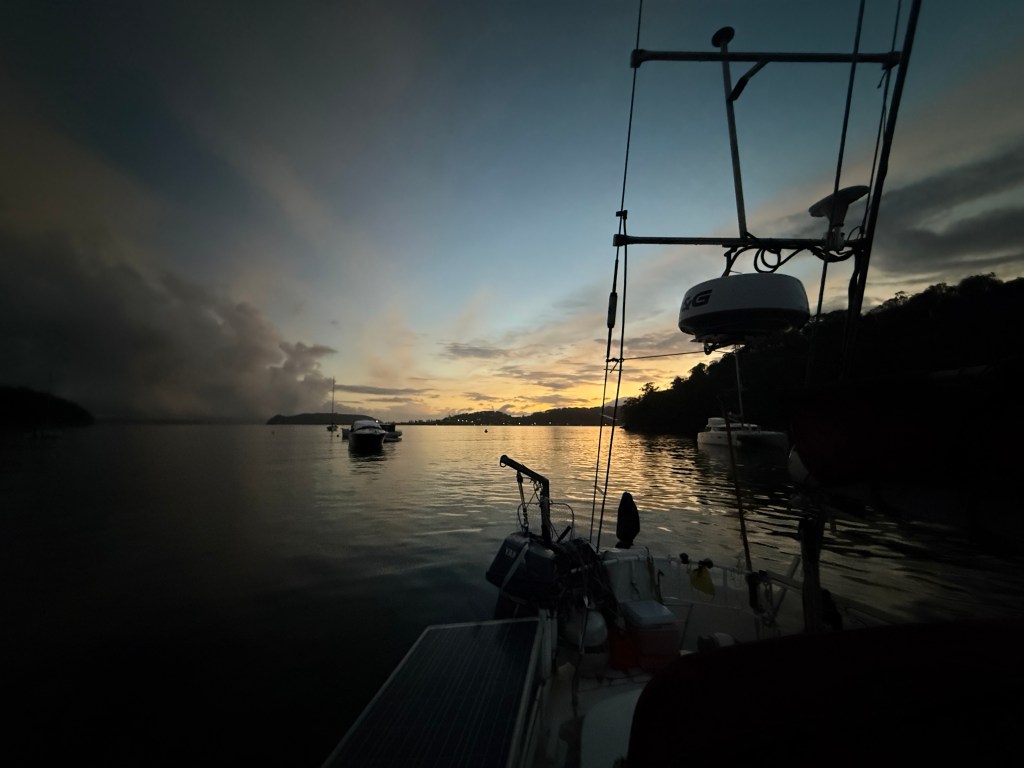
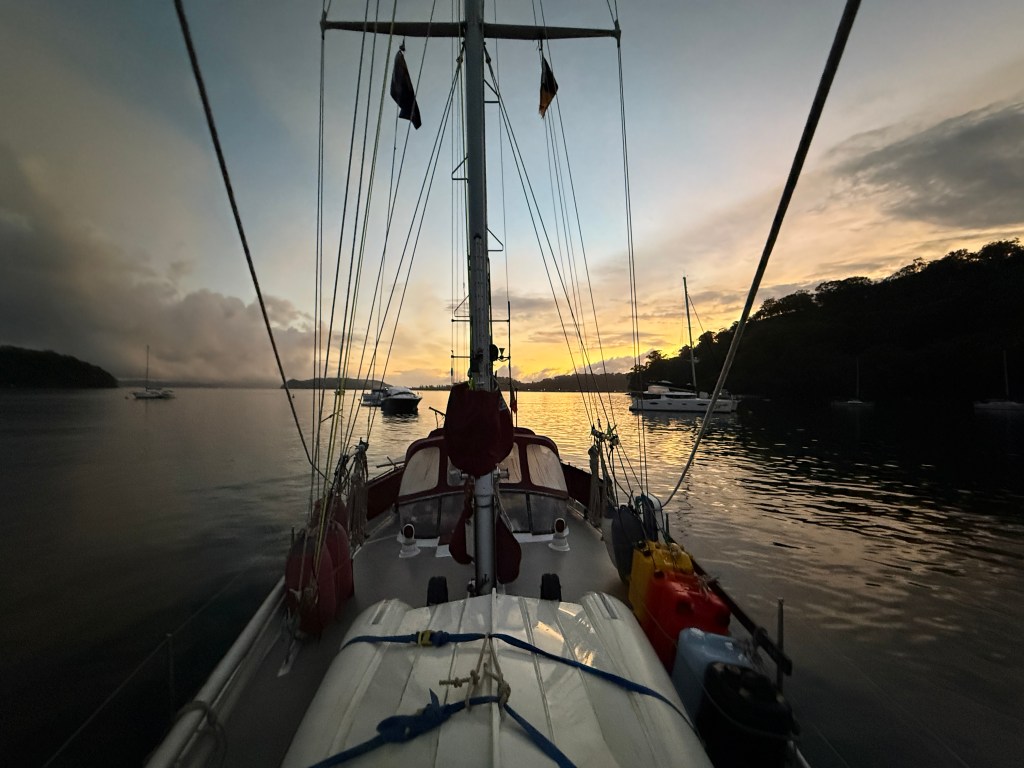
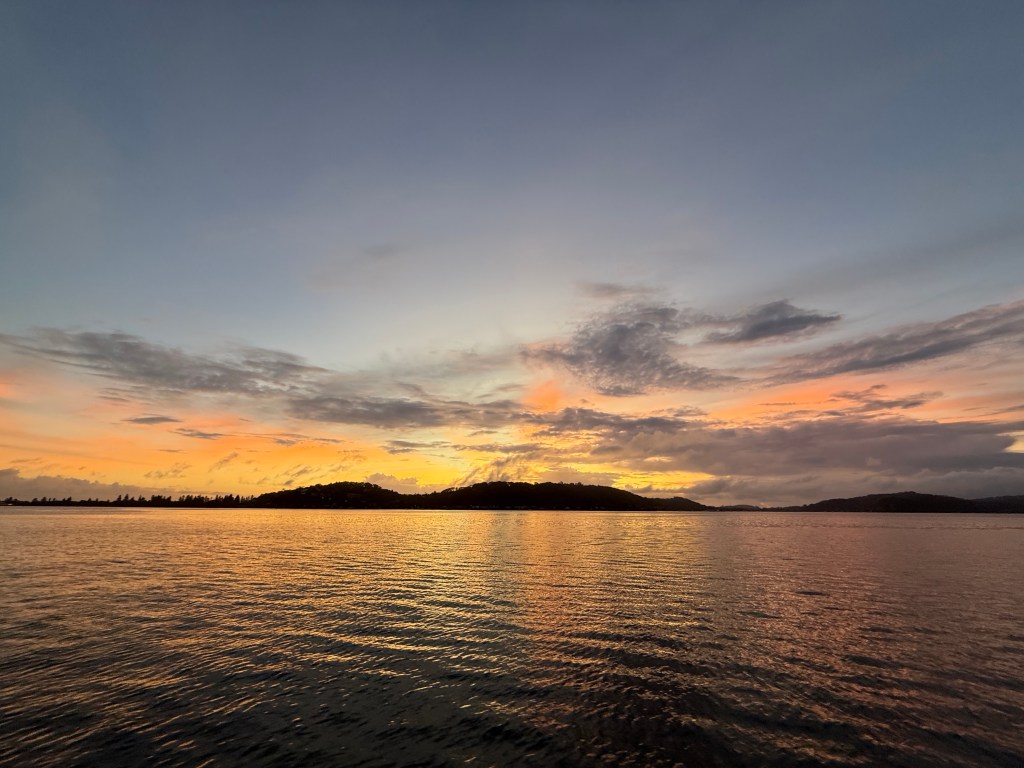
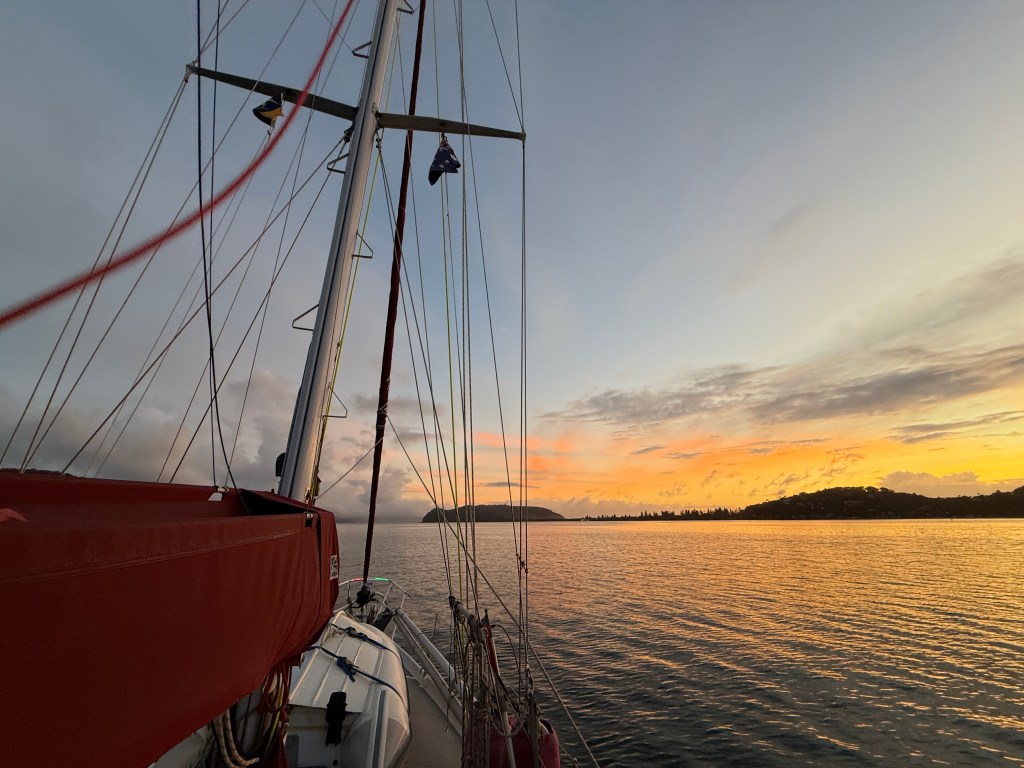

Only a few hours later we were sailing past Manly and then through the Sydney heads. Unfortunately the wind dropped as we made our approach so our dream of sailing into Sydney in full glory was nipped in the bud. Our disappointment was offset by the clouds growing behind us, indicating a front was on the way, so we were just glad to get in to shelter.

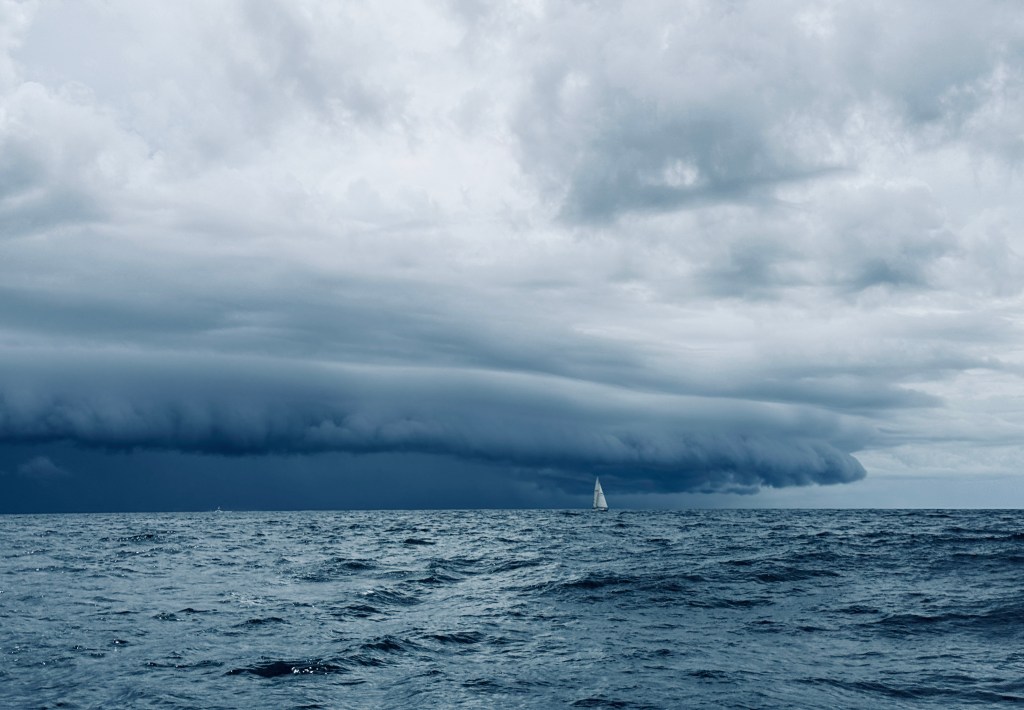
As the heavens opened we found our way to our chosen anchor site in Rose Bay. Our friend Eugene had arrived in Sydney at much the same time as us, so we unloaded the dinghy from the deck and ran ashore to pick him up. I hadn’t been sure that we were going to make it in time to see him, but as it turned out we made it with a few minutes to spare.

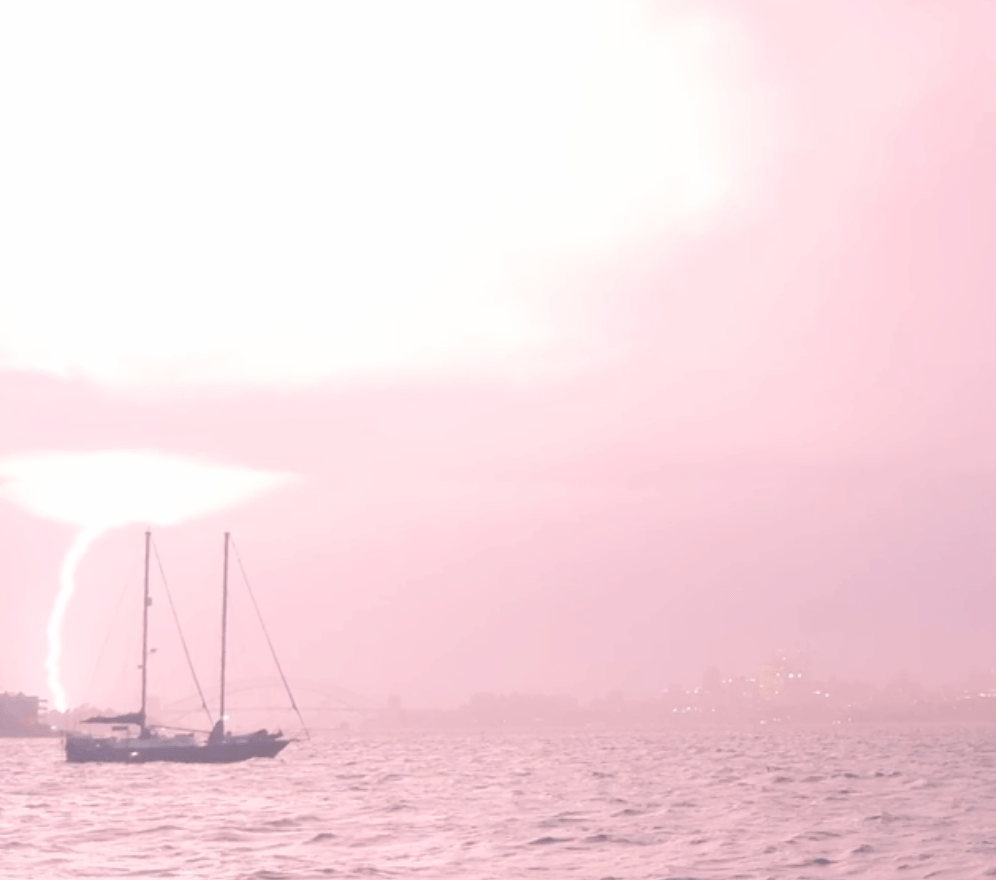
Next time: we explore Sydney with Eugene, we go to Bondi Beach to do our laundry, we experience an apocalyptic storm — and survive!
 Sailing Taurus NZ
Leave a comment