New Caledonia has a land area of 18,575 km2 and a population of approximately 270,000. The indigenous ‘Kanak’ people make up about 41% of this total with the remainder made up of the Caldoche (Europeans born in New Caledonia), the Zoreille (those who have emigrated from metropolitan France), and non-Kanak Polynesians who make up about 10%. The Kanaks speak 28 different languages, which are unrelated and wholly incomprehensible to speakers of other local languages, so that French is the lingua franca.
James Cook was one of the first Europeans to sight New Caledonia, on 4 September 1774, during his second voyage. He named it “New Caledonia’ as the island reminded him of Scotland. The Comte de Laperouse followed Cook in 1788, and after him came various whalers and traders who continued the work of surveying and mapping the islands.
The value of sandal wood, found in New Caledonia, attracted ongoing European interest, after which the practice of ‘black birding,’ exploiting Melanesian and Pacific labour for use in the sugarcane plantations of Fiji and Australia, continued the one-sided relationship.
France took official possession of New Caledonia in 1853 and used the islands as a penal colony between 1864 and 1897, during which time some 20,000 French convicts arrived and were put to work mining nickel and copper. The Kanak people, treated like second class citizens and vulnerable to European diseases, revolted against colonial rule in 1878 which resulted in the death of 200 French men and 1,000 Kanaks. Eventually, the better armed French suppressed the revolt and beheaded the Kanak leader before exhibiting his head in the Museum of Natural History.
After WWII, the struggle for Kanak independence was given a boost when the UN placed New Caledonia on its ‘Decolonisation List of Non-Self Governing Territories.’ Adopting a more liberal strategy, the French gave Kanaks and French settlers the right to vote in 1951, and shortly after New Caledonia became an overseas territory of France — bestowing French citizenship on New Caledonian citizens. However, fresh rioting broke out in the 1980s which resulted in Kanak leaders and the French Government agreeing to a series of three referendums to decide the future of the country. The first two referendums resulted in a narrow win for those who want New Caledonia to stay under French rule. The third referendum was disrupted by Covid, and was boycotted by the Kanak people who wanted the French to postpone the vote. As such the result was a massive defeat for the independence party.
Fresh rioting broke out again in May 2024, with the loss of thirteen lives, 800 businesses, and over 10,000 jobs, amounting to some 30 percent of New Caledonia’s GDP (gross domestic product). The situation in New Caledonia remains slightly unstable and tense. For a short time, foreigners were asked not to visit, and several cruising yachts that were headed to New Caledonia chose to divert elsewhere. With all this in the air it was far from certain that we would be able to visit the country, though we were very keen to do so — not least because it breaks up the trip from Vanuatu to Australia.
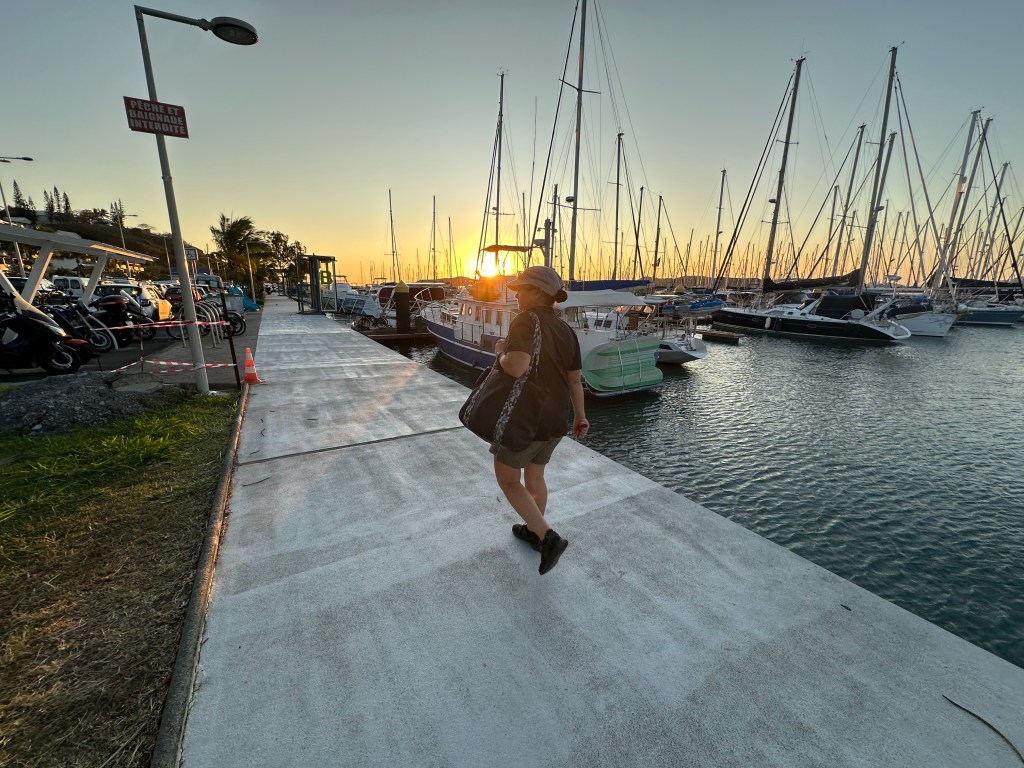
The political tension in Noumea, the capital of New Caledonia, is palpable, but can’t entirely detract from the city which is easily the cleanliest, most modern, and most sophisticated we have visited in the Pacific Islands. The people have been universally helpful, but a clear divide separates the French from the Kanaks, the latter appearing much poorer, less well educated, and sometimes slightly unfriendly until they discover that we aren’t French. Despite large numbers of reinforcements having been brought in, the presence of the police and army seems, no doubt deliberately, understated.
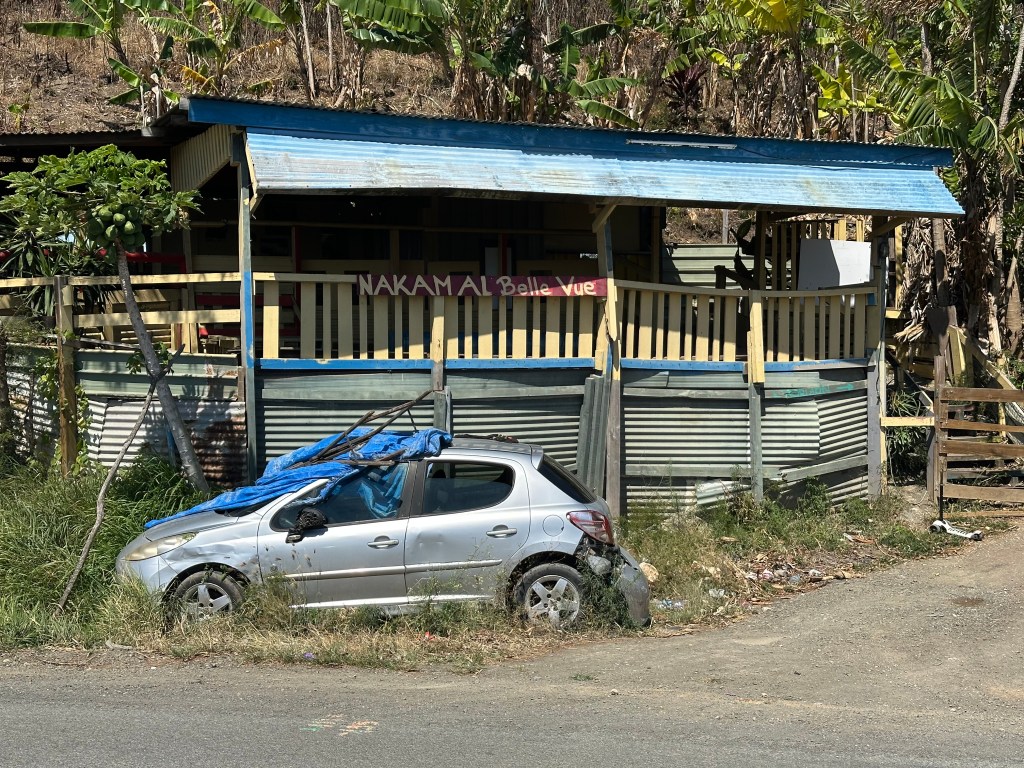
There can be no doubt that a great many wrongs have been done to the Kanak people, but, as is always the way with these things, the situation is far from clear cut. Firstly, the majority of people allowed to vote want to remain French citizens (and voters had to have lived in New Caledonia for at least ten years, a move designed to make the vote more fair for Kanak people by removing the influence of recent French immigrants). It is also difficult for us not to remember speaking to David, a village elder in Vanuatu who wished independence had never been achieved there. David believed that Vanuatuan political freedom had led to a serious rise in illiteracy amongst the young (because education is no longer provided free of charge). He also expressed concern in regards to the growth of Chinese influence, and the degree of governmental corruption. Certainly, France continues to give vast amounts of money to New Caledonia, and one wonders what would happen if that easy money was suddenly cut off.
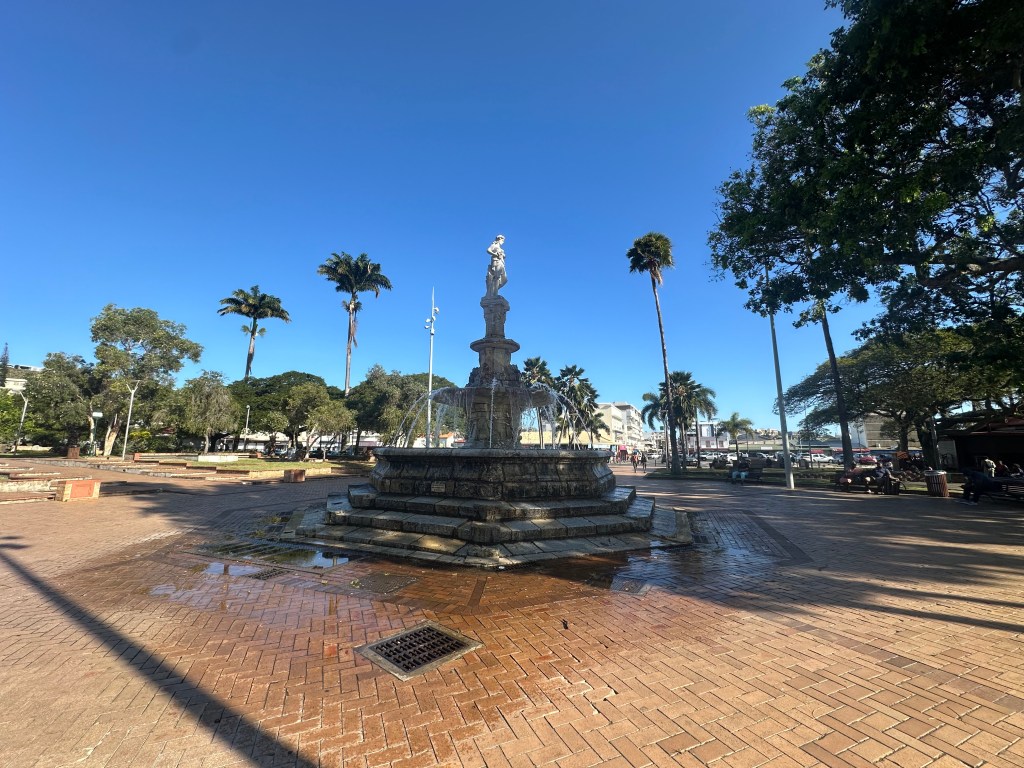
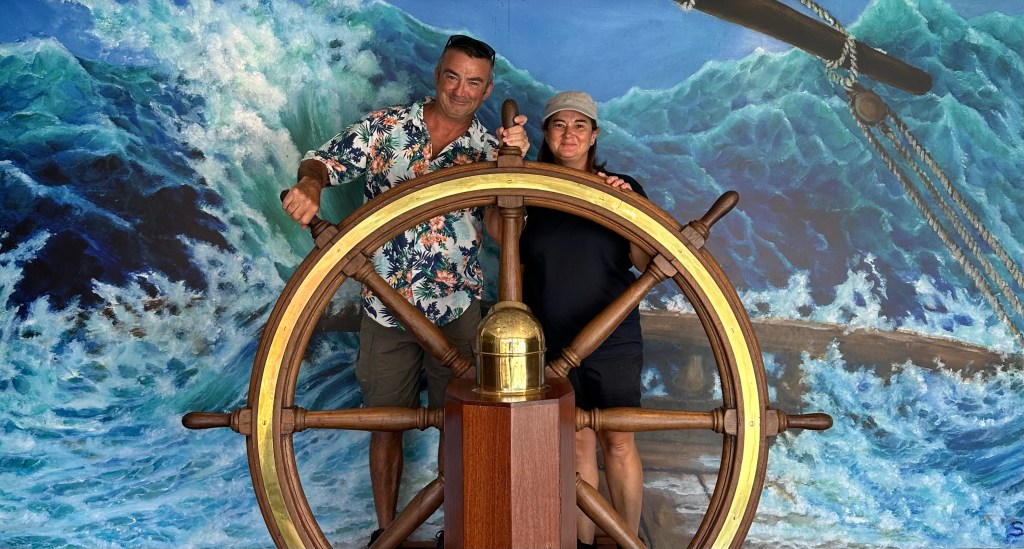
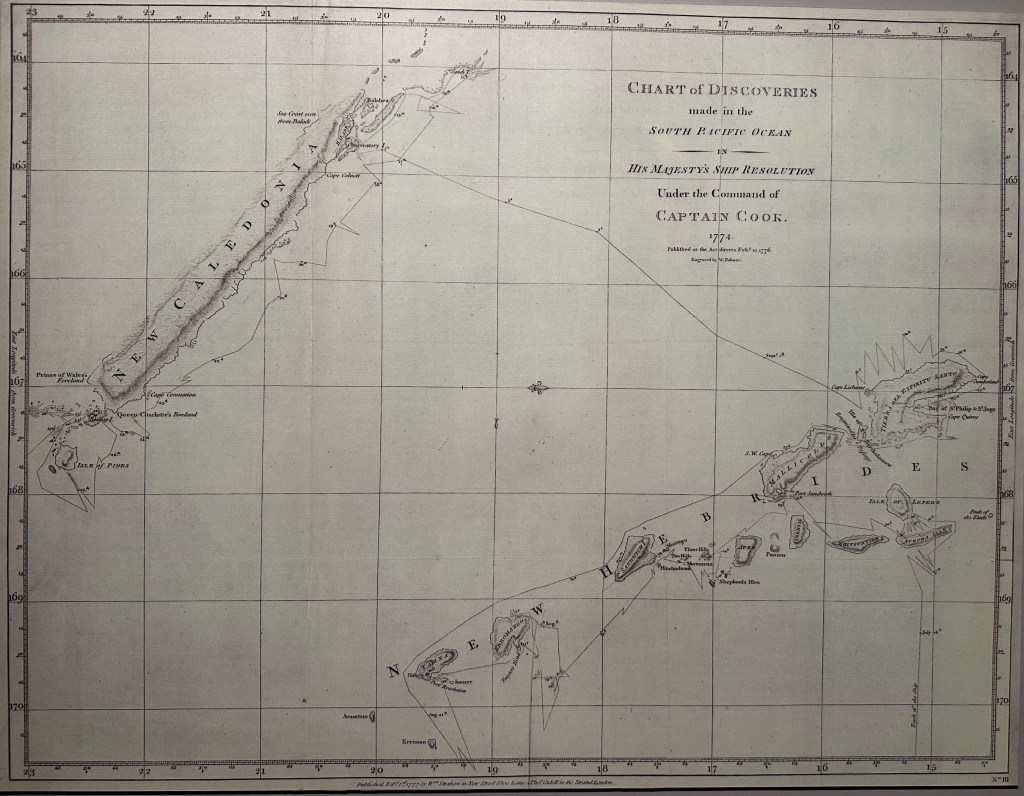
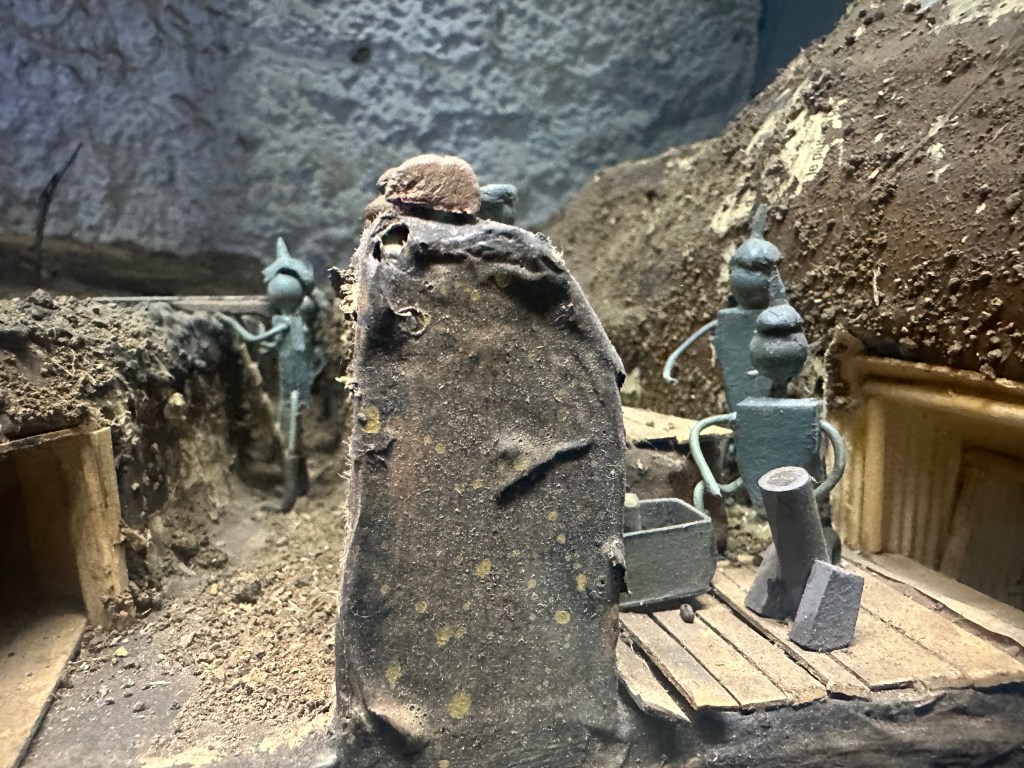
So, with the political situation in mind we began to explore the city. One of the first attractions we visited was the Maritime Museum, the walk there happening to take us past the local patisserie and supermarket. The museum was quite small but had some interesting exhibits. The Captain Cook area had a model of The Resolution and a reproduction of one of Cook’s charts which showed his journey through Vanuatu and New Caledonia. I hadn’t realised how closely our trips had aligned, we might have been following in his footsteps.

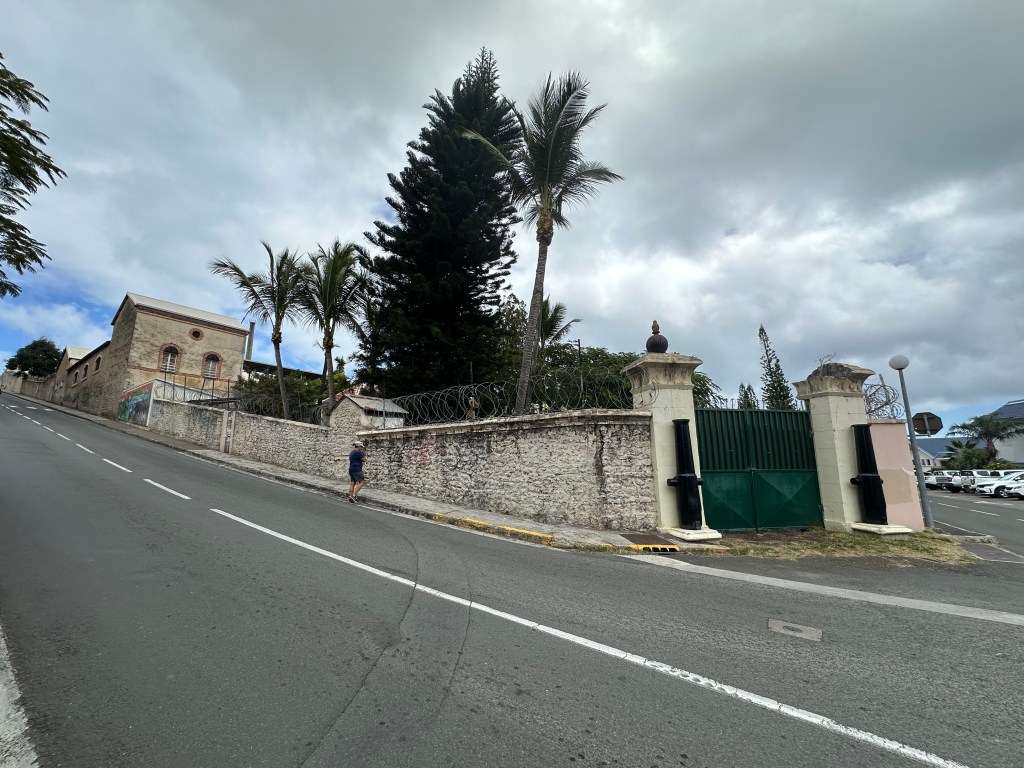
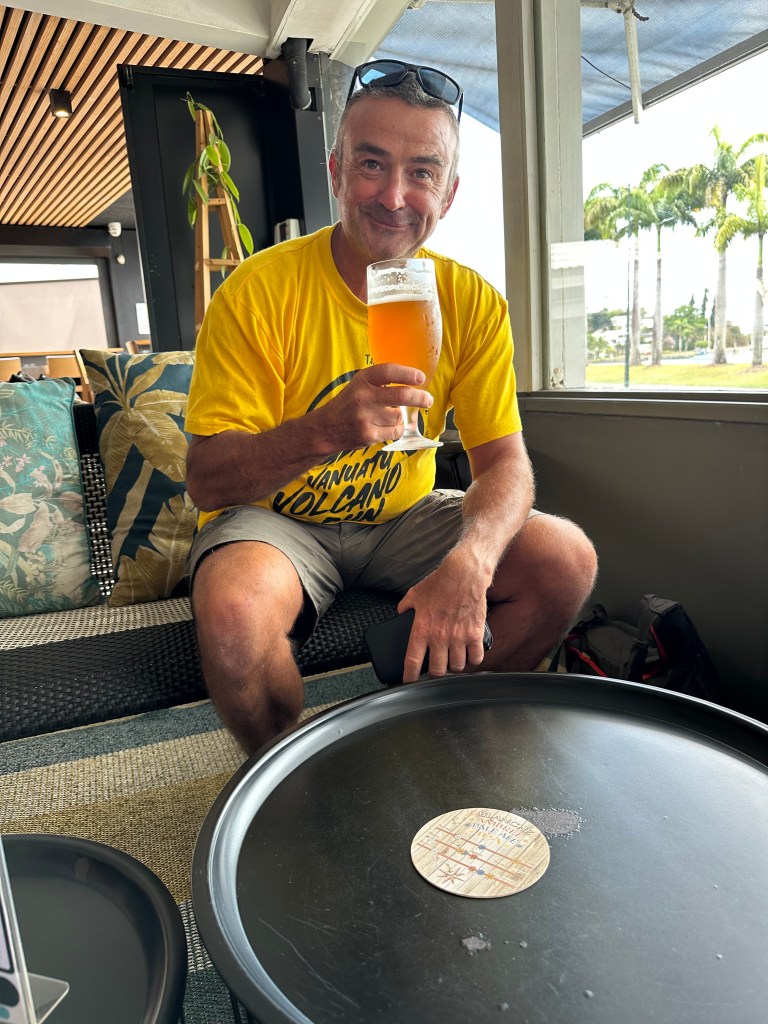
The next day we tried to find one of the local forts, but though we found a modern military base we couldn’t work out how to get to the headland without trespassing. The French take a dim view of such things so we found a bar instead and kept everyone happy.
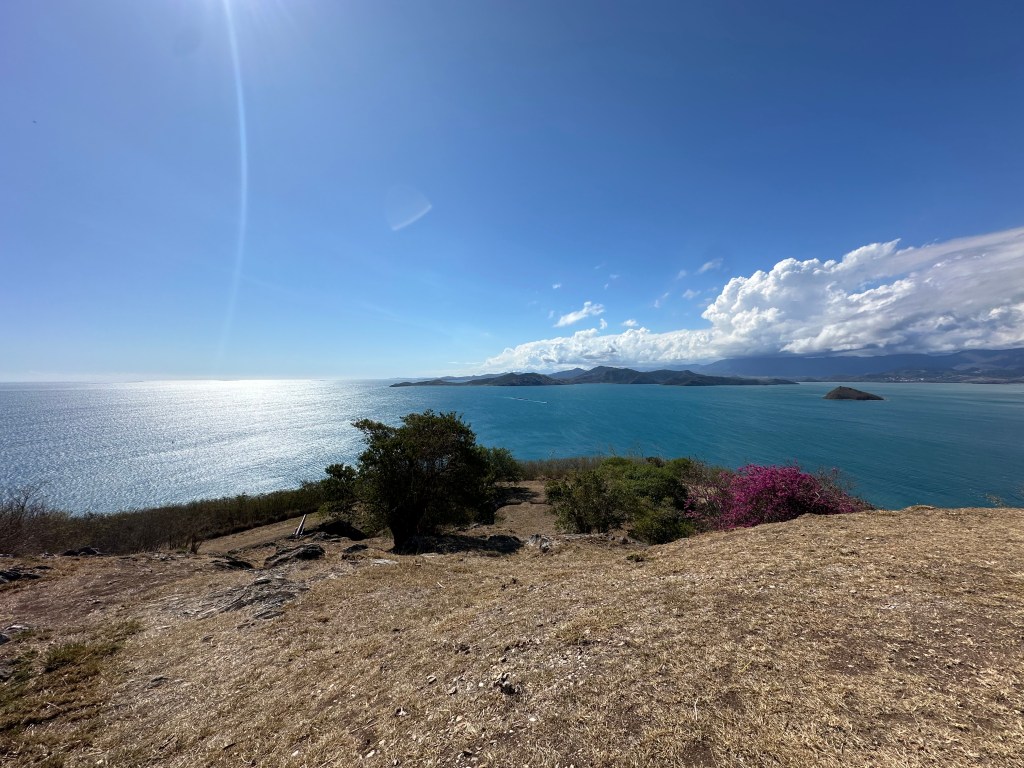
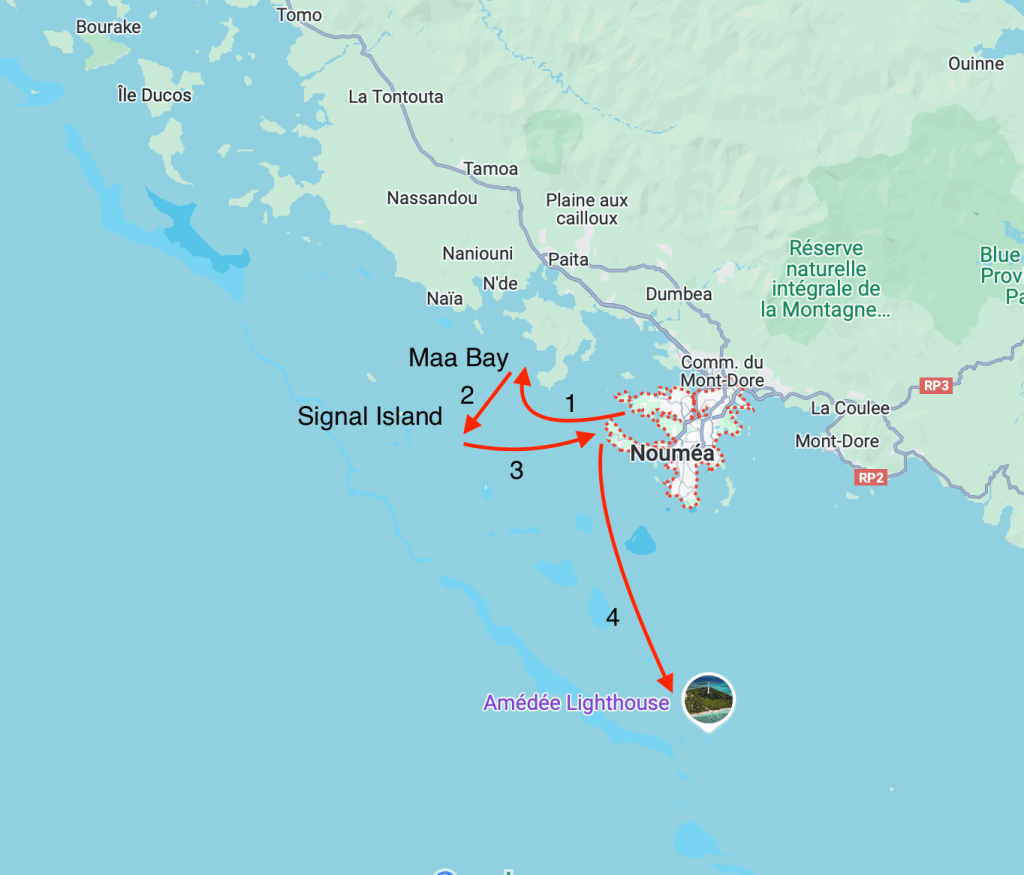
We left the marina the following day and headed out to Maa Bay, which someone had recommended to us. It was a fast sail in 25 knots and a pretty bumpy anchorage so we didn’t try to leave the boat till next morning. Then we jumped in the dinghy and tried to find a walk that led over a hill to the next bay. Unfortunately, after walking some way all we found was a private gated community. Being unable to find any other way we ignored the privee sign, but the gate and fence on the other side was pretty serious so we had to retrace our steps, all the way back to Taurus. Our attempt to cross the peninsula may have been unsuccessful but we had walked along way, and getting some exercise was the real goal.

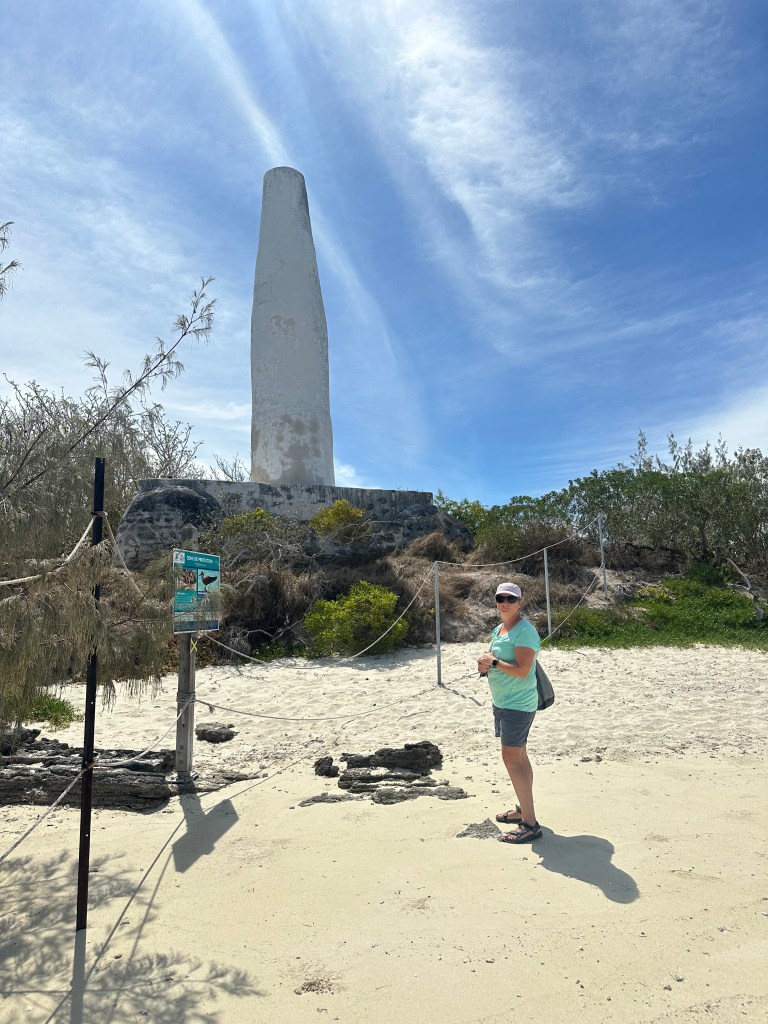
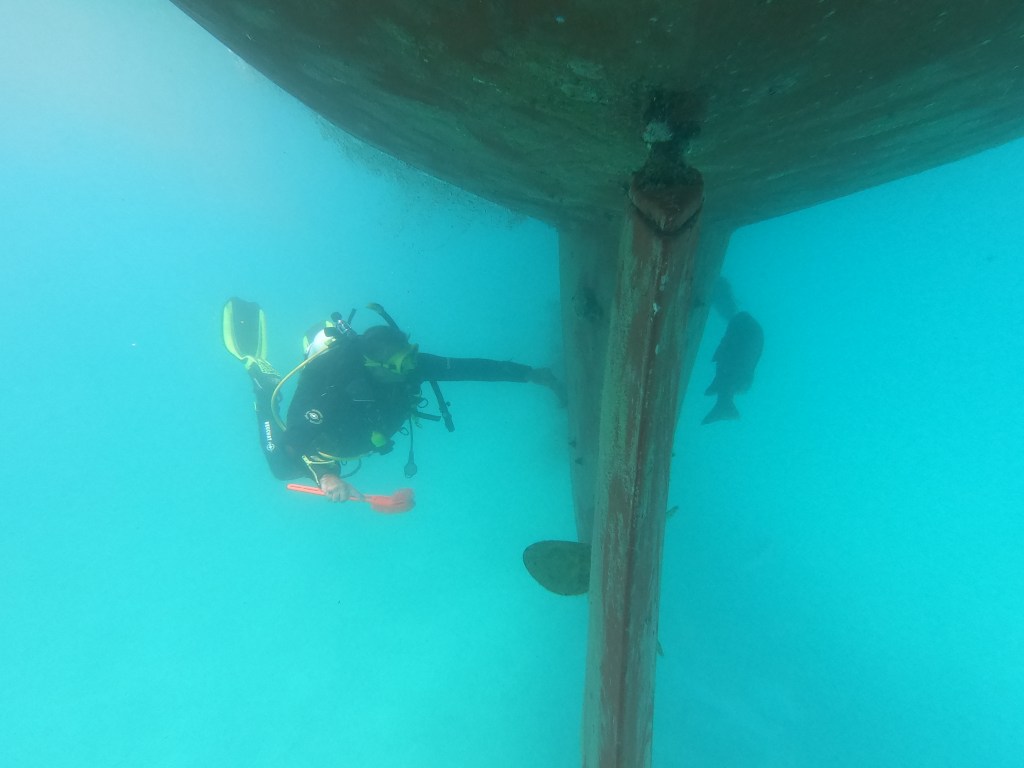
From Maa Bay we sailed to Signal Island. The island is so called because a pillar was built on it in 1854, which, when aligned with a local hill, reveals where the channel through a nearby reef is. The island is now a nature sanctuary so that anchoring is not allowed and instead moorings are provided. After a walk around the island, and seeing lots of birds and some big spiders, we returned to Taurus and decided that now was a good time to clean the hull. Australian Customs can get very unhappy about boats turning up with a dirty bottom, so we risked the tiger and bull sharks and jumped in with scrubbing brushes. Hiding in the shade of the hull was a school of Bludger fish. If we hadn’t been in a reserve I would have been very tempted to grab the speargun, but they proved surprisingly good company, and it turns out they are often infected with ciguatera, a neuro-toxic disease, so best left alone.



Friends of ours were leaving Noumea to head to NZ the following day so we decided to head back into town. The sail was pretty gnarly with 25-30 knots of wind and a short, sharp chop that slammed into the bow, slowing us down and causing the bow to want to turn downwind. The conditions meant that we had to motor sail — sailing with the engine providing some additional thrust — so that we could make decent headway.
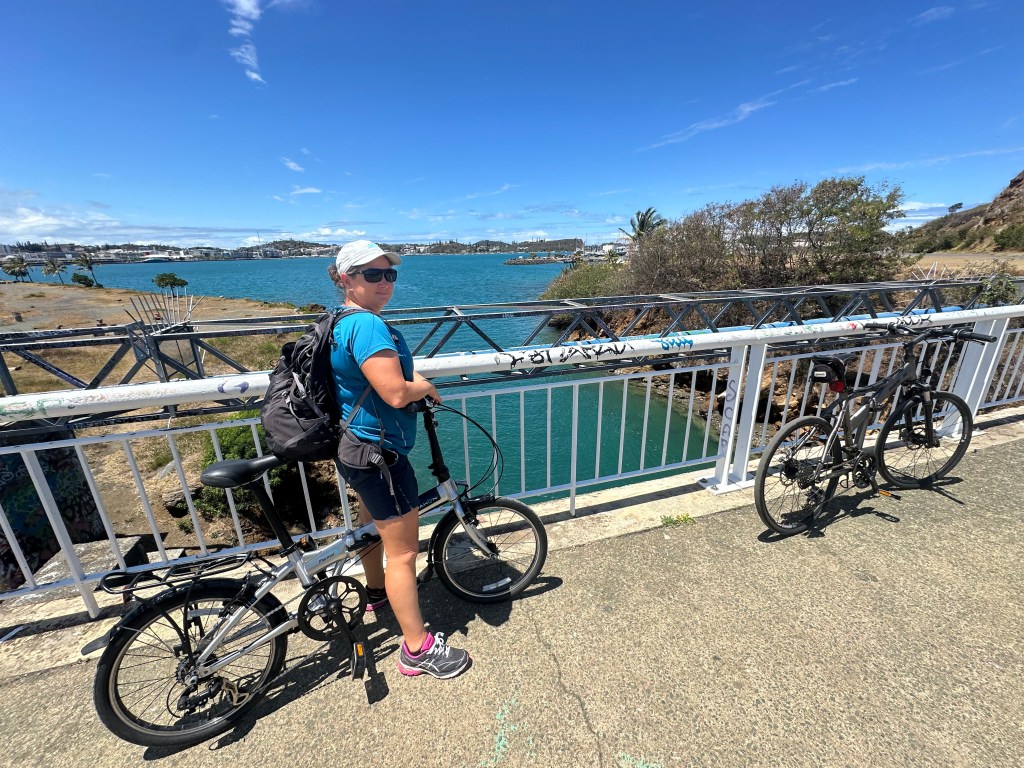
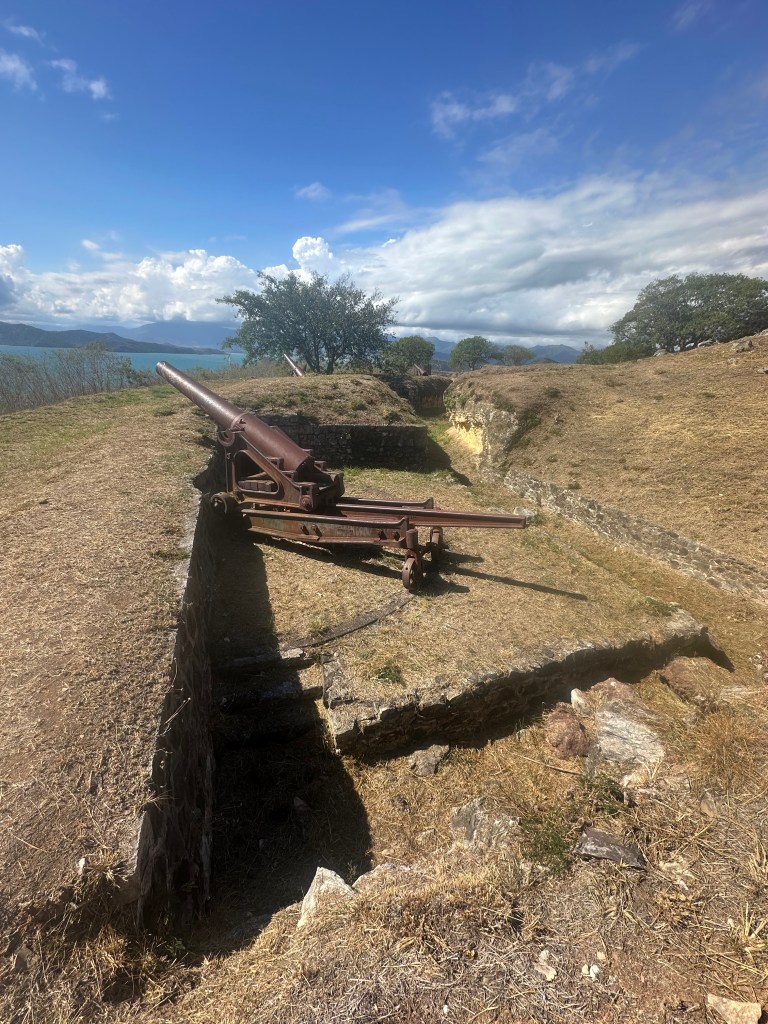
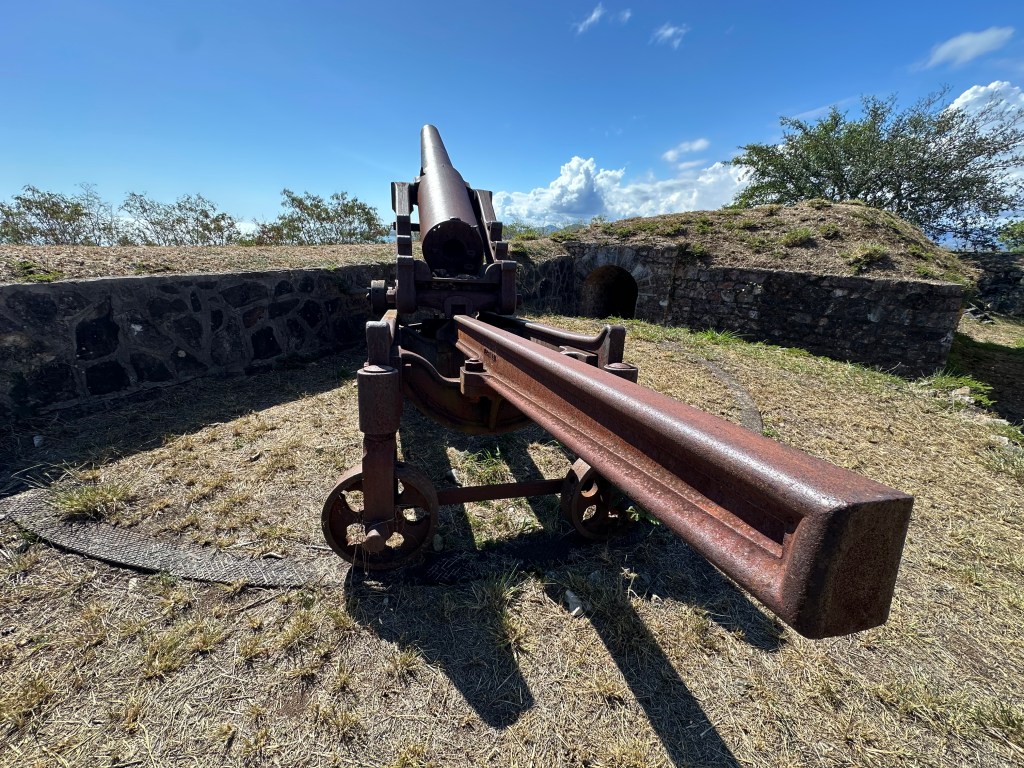
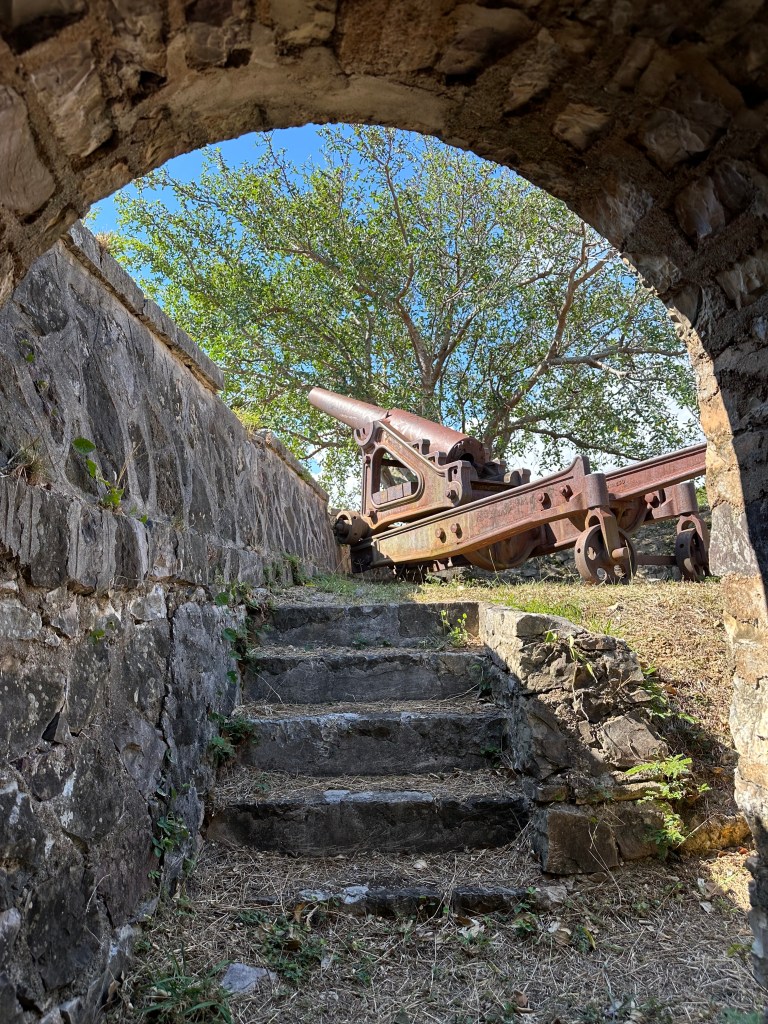
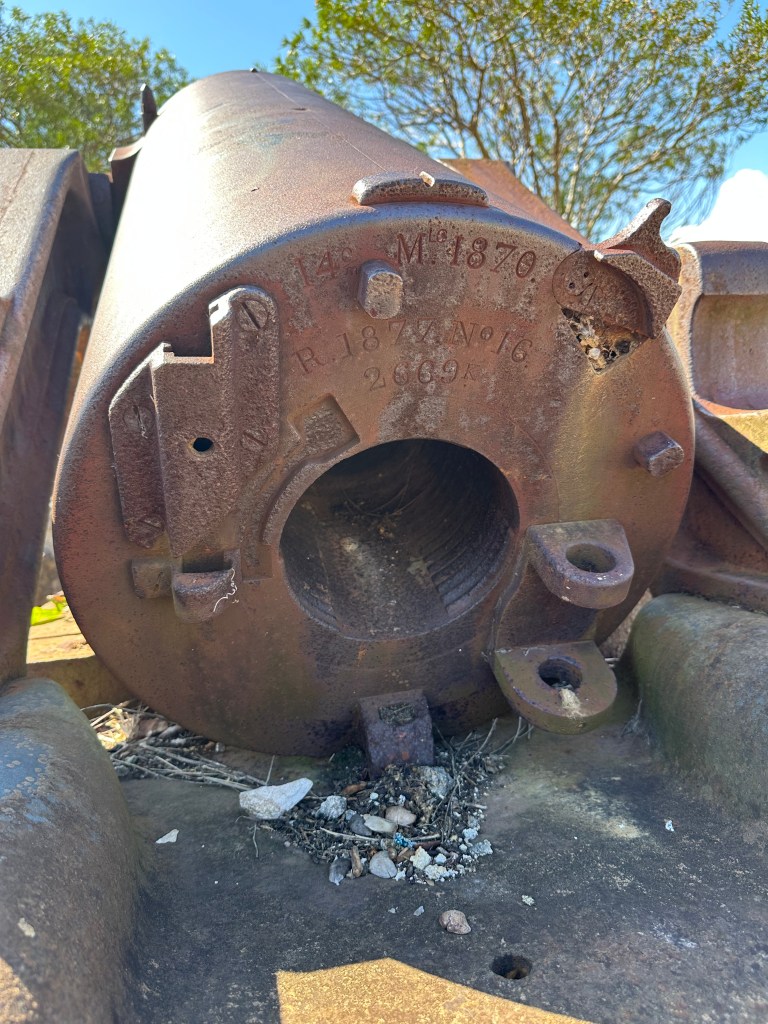
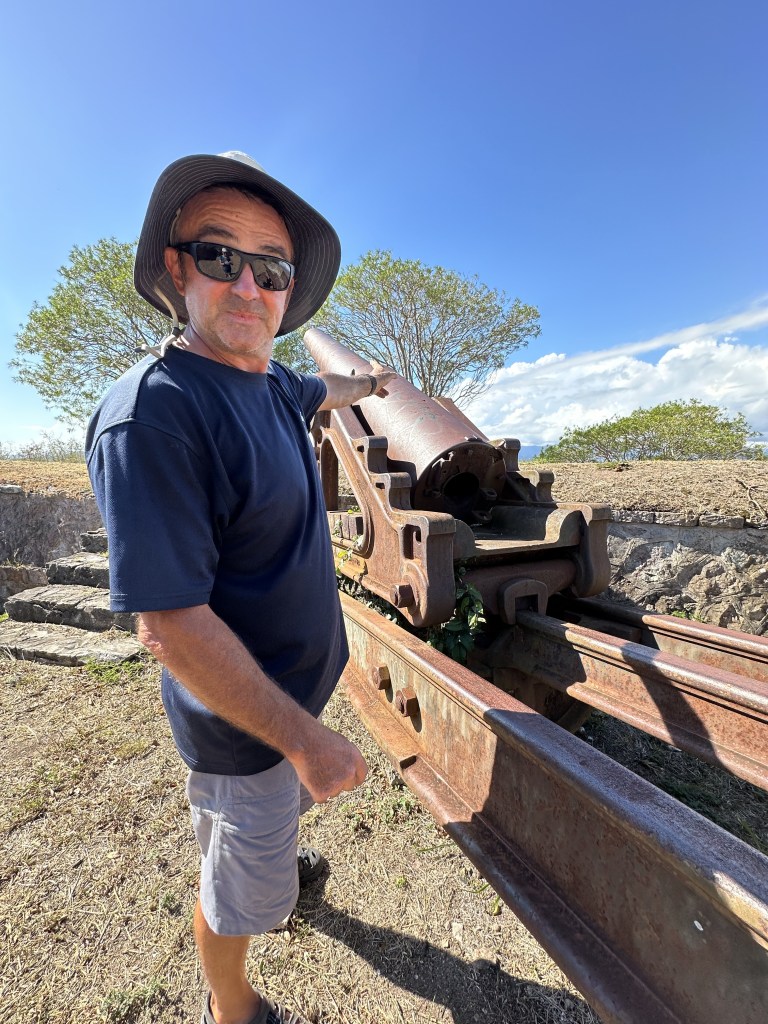
After seeing our friends off we decided to get the folding bikes out. These bulky items are often a subject of ‘should we get rid of them’ discussions, but though they don’t get used often, when they do get pulled out they can be indispensable and a lot of fun. Our goal for the day was firstly a big chandlery (boat stuff shop) that we had been told about, and secondly an old fort called Canons de Nouville. We managed to leave the shop empty handed and then tried to find our way to the fort. After many miles along dirt roads and tracks we finally reached the fort which was well worth the effort. The cannon are rifled breach loaders with a date of 1870 stamped into them, so roughly contemporaneous with the US Civil War. Who they were intended to defend Port Noumea from I have no idea. There was no information about them there, and even the staff at the local museum knew nothing about them. Presumably the threat was considered to be very real as they would have taken considerable effort to mount, and this is just one of several forts in the area.

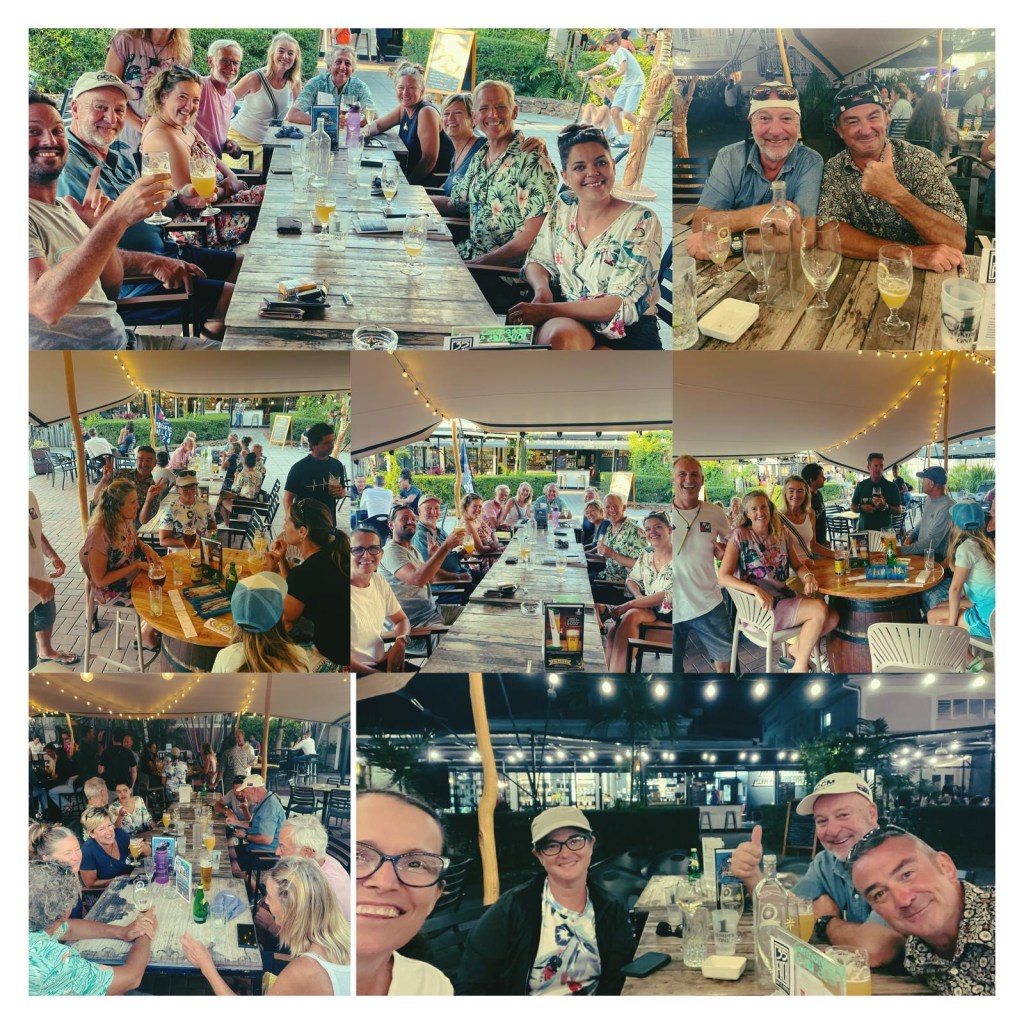
On the way home, to a pressing engagement at the local bar, Cara got a puncture. Naturally, it was this point that I realised that her wheels don’t have the common quick release system but instead require spanners to remove the wheel. We managed to remove the inner tube with the wheel in situ, but then the vulcanising rubber we had in our puncture repair kit refused to stick the patch on. In the end we had to resort to periodically pumping up her tyre and getting as far as we could before the tyre went flat again. Not exactly what you want after a long, hot day in the saddle, but at least we didn’t have to walk home, and the bar was still open and all our friends still there.

After another couple of days seeing the sights in Noumea it felt like it was time to get out of the marina and save some money.

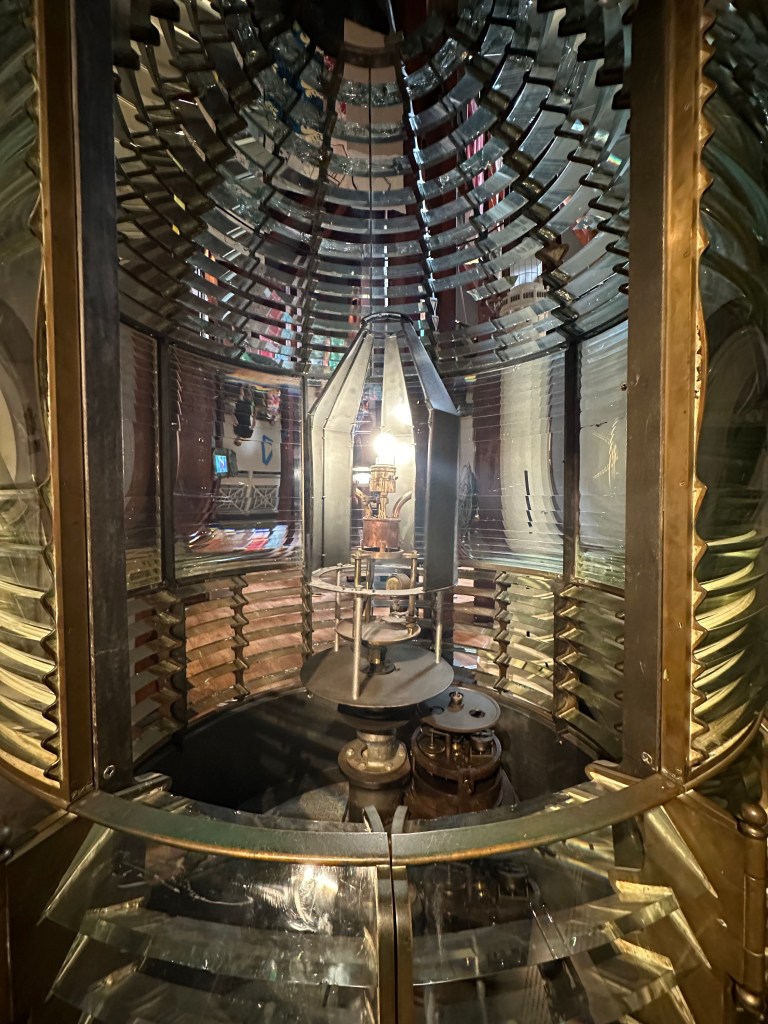
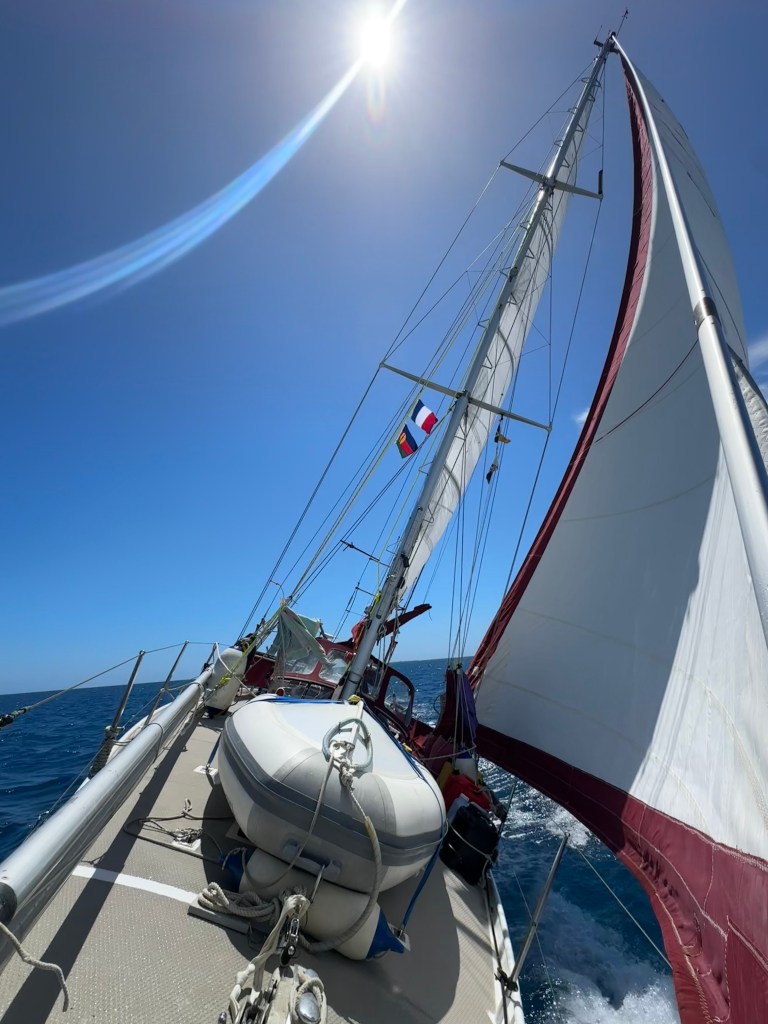
We had a fantastic sail to Amedee Lighthouse. The sun was shining, the breeze was just right, and though it wasn’t coming from quite the right direction we were happy to take our time and tack a few times to get there. The lighthouse is apparently one of the tallest and oldest in the Southern Hemisphere, it having been originally used in France and later dismantled and shipped to New Caledonia.

As mentioned in a previous post, our intention was not to stay here long, but rather have a brief stop and continue on to Australia. However, the weather has been particularly unsettled with light winds in the Coral Sea that would require us to motor for 4-6 days of the 7 day trip. The weather looks like it may come right on Saturday, so we have a few more days to relax and enjoy Noumea before getting ourselves ready for our passage to Bundaberg.
 Sailing Taurus NZ
Leave a comment