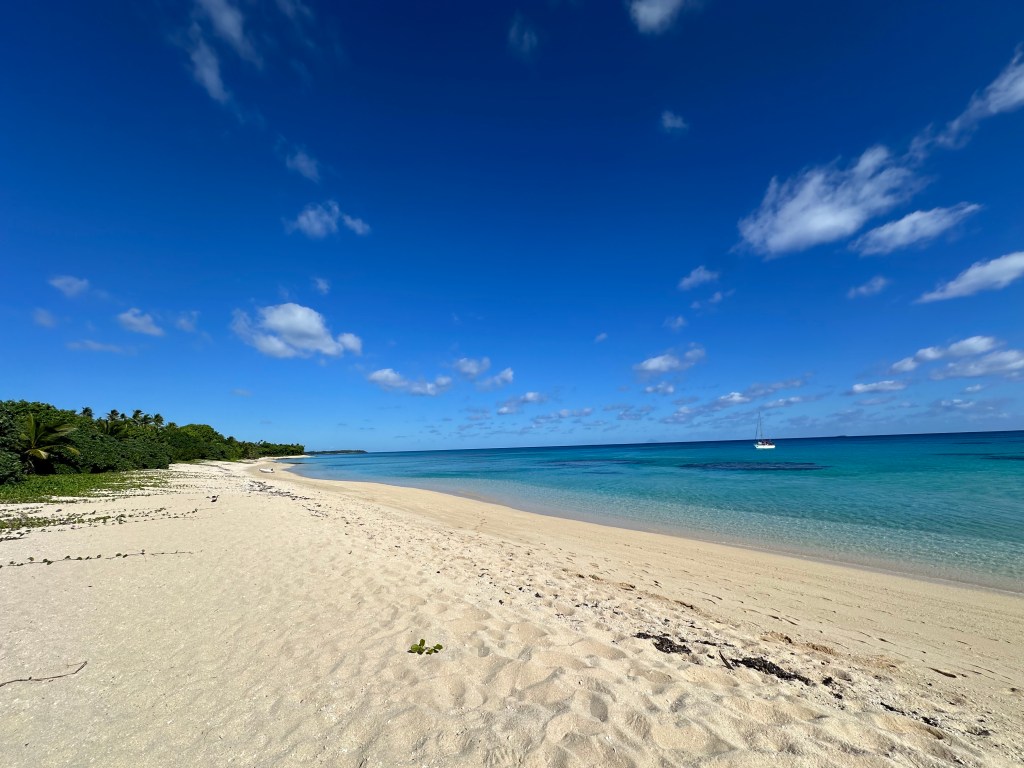
A short sail of about two hours brought us from Pangai to Fau at the northern end of the island of Nafuka. We had heard of a place called Matafonua Lodge, located just off the beach there, which has a reputation for being cruiser friendly. Anchoring off the island was a bit of a game due to the number of ‘bombies.’ These isolated clumps of coral should perhaps be called ‘minies’ instead due to the hazard they pose to yachts. On charts, bombie areas are frequently shown as blanket coral, so the best way to navigate these areas is with satellite imagery, available from Google Maps, and with someone at the bow keeping a close eye out. In the photo above the dark areas in the water are bombies, but they aren’t always so obvious. It is recommended that boats only go into these areas with the sun behind the boat and on a rising tide — the latter in the hope that you’ll float off quickly if you run aground!

The above image is taken from Google Maps. We first anchored in quite deep water but decided we were too far out and exposed to the wind. So we hauled up the anchor and ended up anchoring in the patch of clear water to the west of Matafonua Lodge, which is marked by the star. You can clearly see the number of bombies that have to be avoided.
Once we were happy with our anchor location we took the dinghy ashore. After a stroll along the beach we popped in to the lodge for a cold drink and to see if we could have dinner there one night. We were told that a BBQ was being arranged for the following day and that we were welcome to attend. The owner, Darren, is an interesting chap. An ex-British Forces diver, he went on to become an underwater cameraman. He and his wife, Nina, had been running the lodge for the past fifteen years and raised their children there. We met their daughter on the way back to the boat, riding a horse. She told us that she collected horses and had six that roamed around the island. You couldn’t help but think how lucky they were to have grown up in this idyllic spot. On the way back to Taurus we went snorkelling around the bombies to cool off and, after checking the anchor was firm, ended up giving Taurus’ bum a clean.


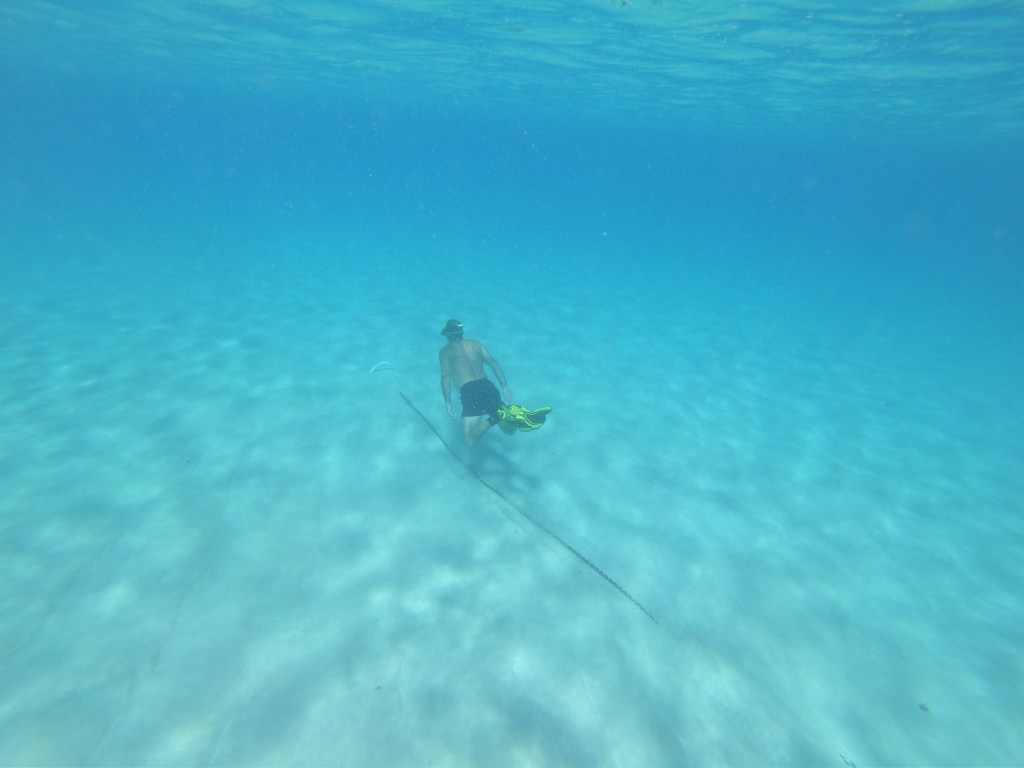

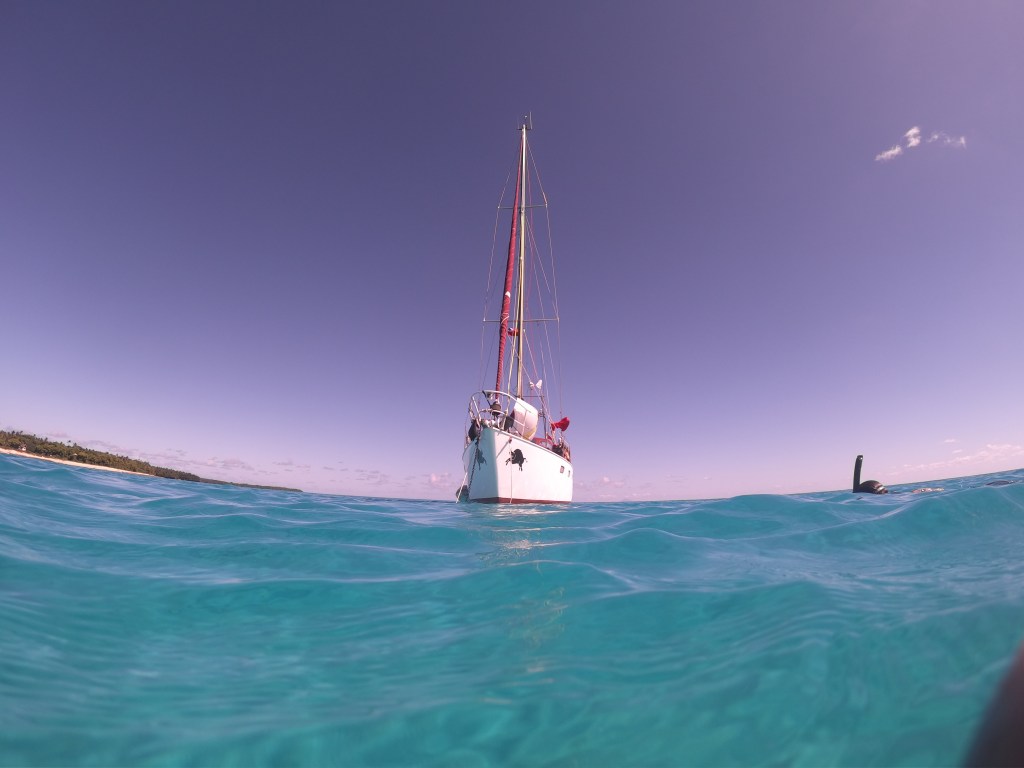
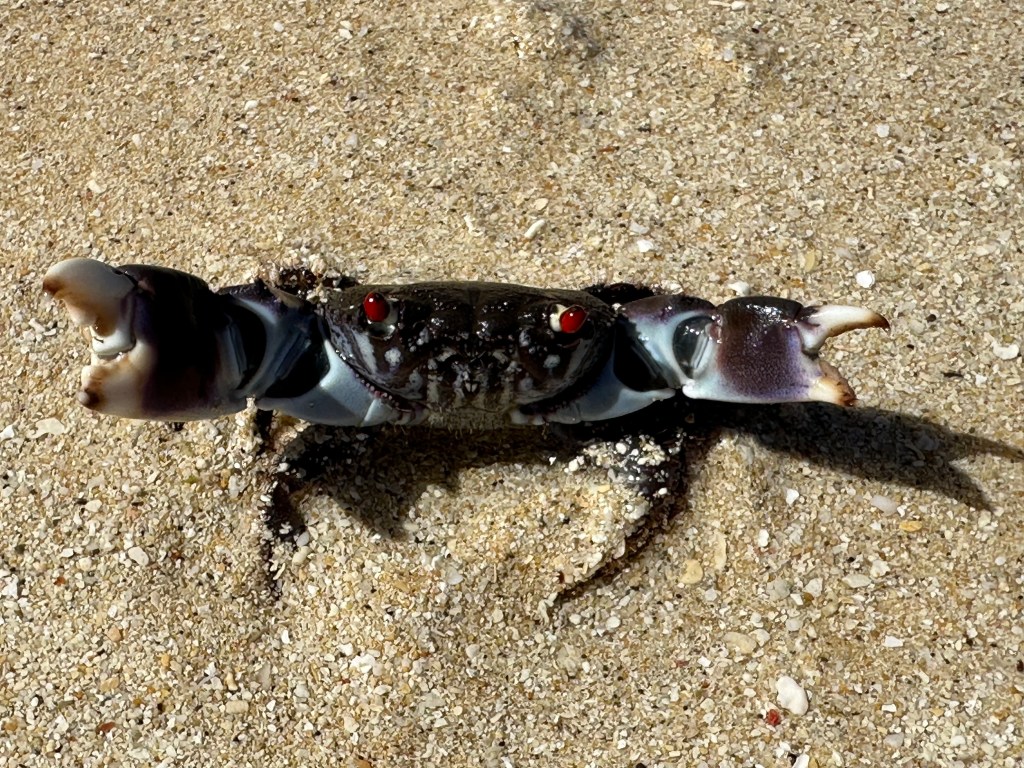
Next day we took the dinghy to Nukunamo, a small deserted island separated from the larger island by a small channel. We walked around and managed to upset the ‘locals.’

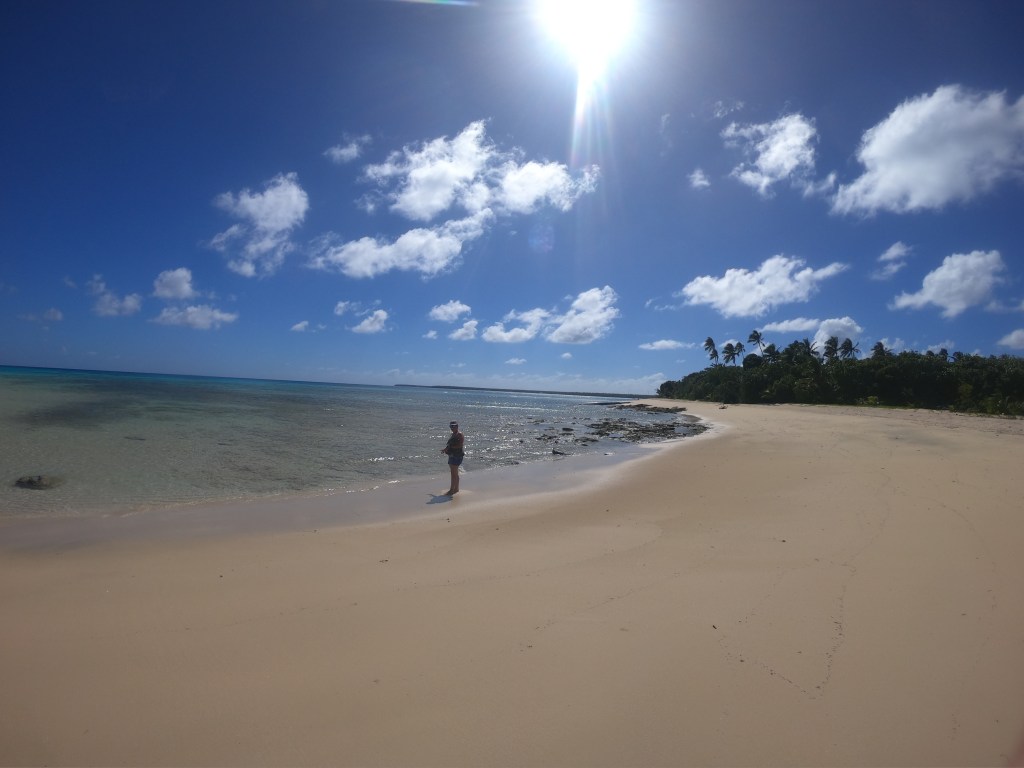
After another swim we headed back for sundowners, and to preload before dinner. Sadly, Cara wouldn’t let me off the boat in my Tongan finery, which seemed like a good idea after a few gin and tonics!
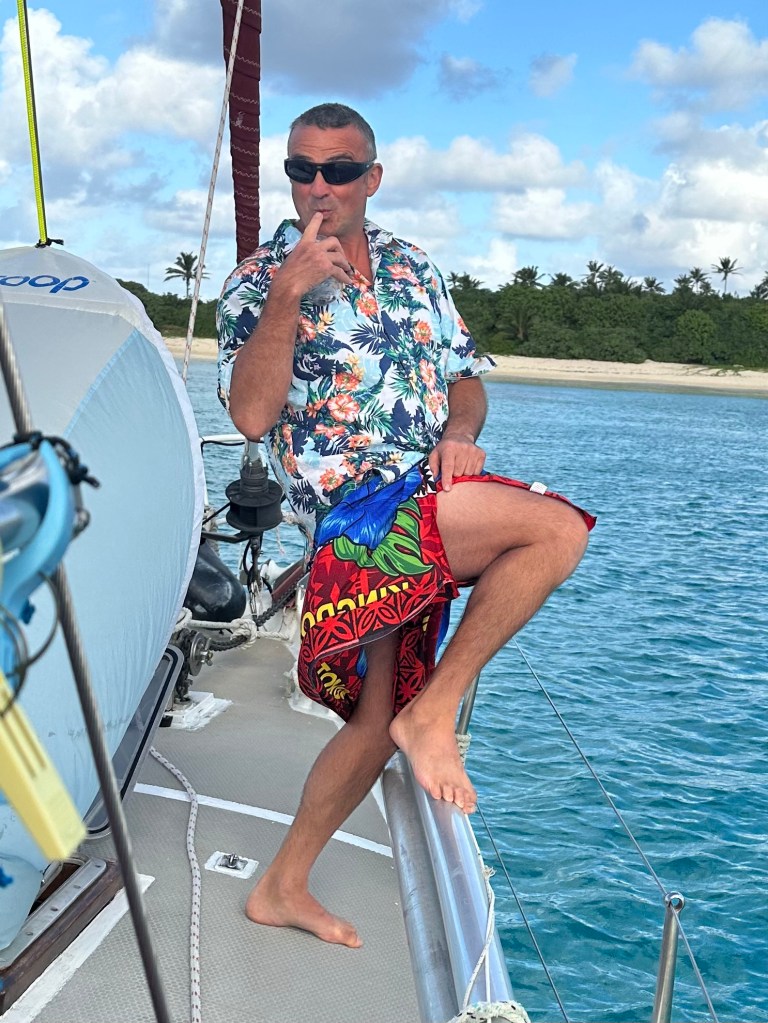
Dinner that night was great and made a welcome change to our usual boat fare. Guests at the lodge had come from all over the world and it was great to chat to them as well as Nina, Darren, and their kids.
During dinner Darren told us of an island called Ofalanga where the snorkelling was exceptional. The weather was deteriorating so we had a wet trip back to Taurus. The wind coming from a slightly different direction gave us a very bumpy night, and my awareness of the rocks all around us and the impossibility of leaving in the dark if we dragged meant a long and uncomfortable night. Fortunately, there were no issues and in the morning we navigated our way back out to deeper water and set sail.
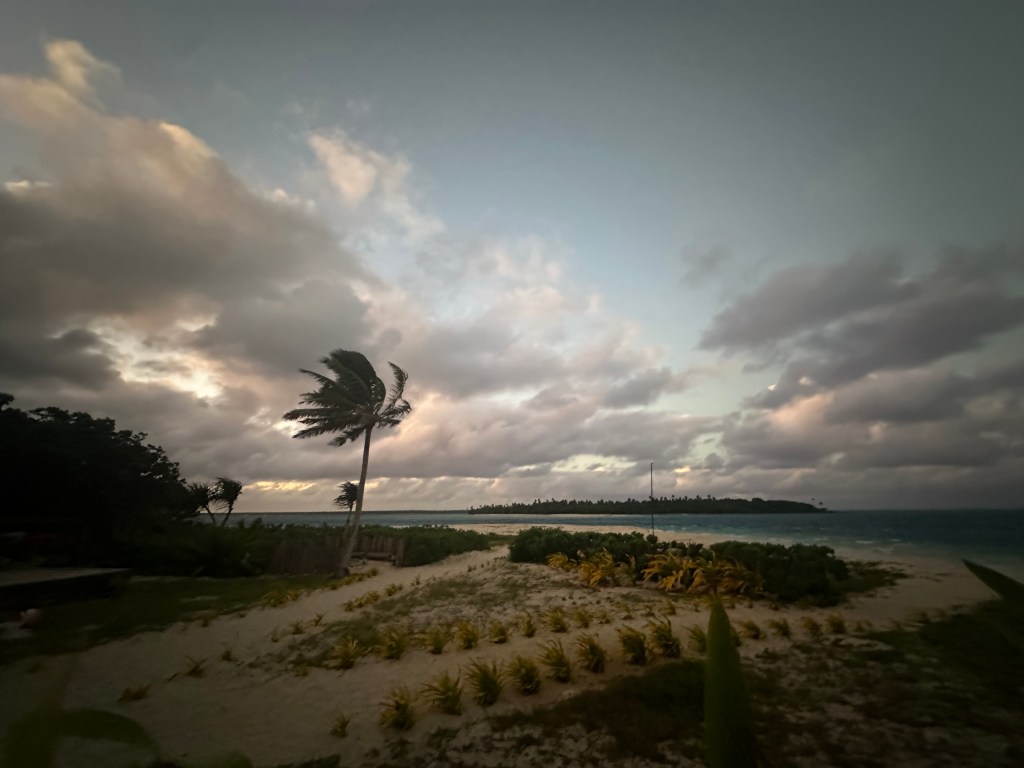
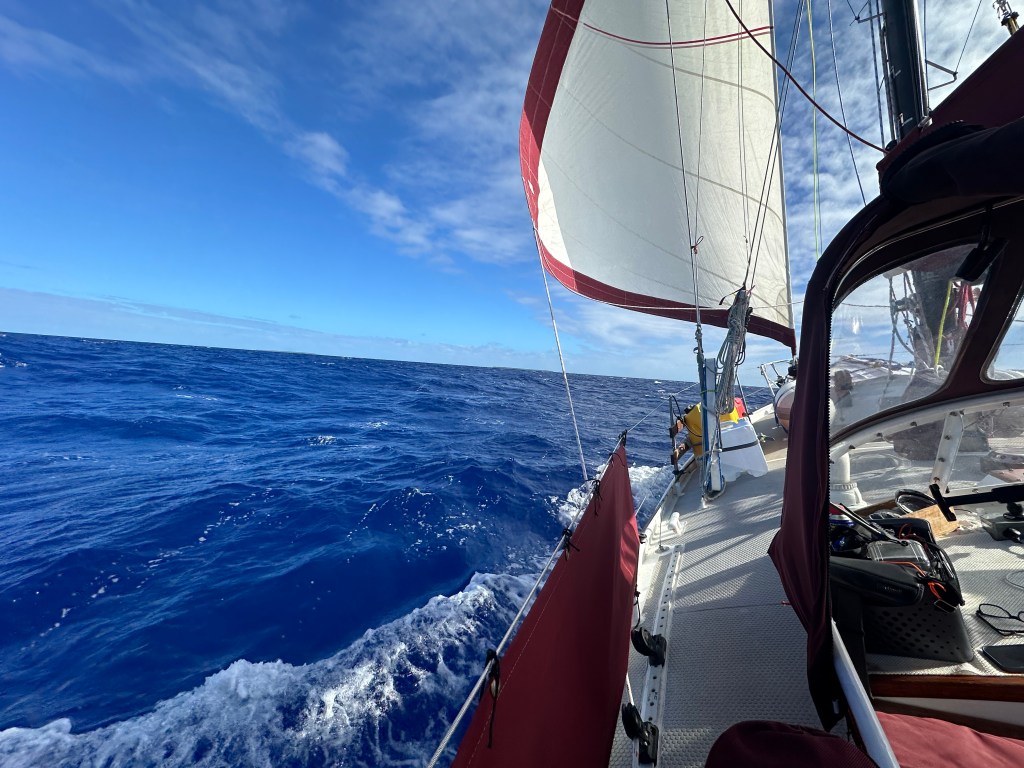
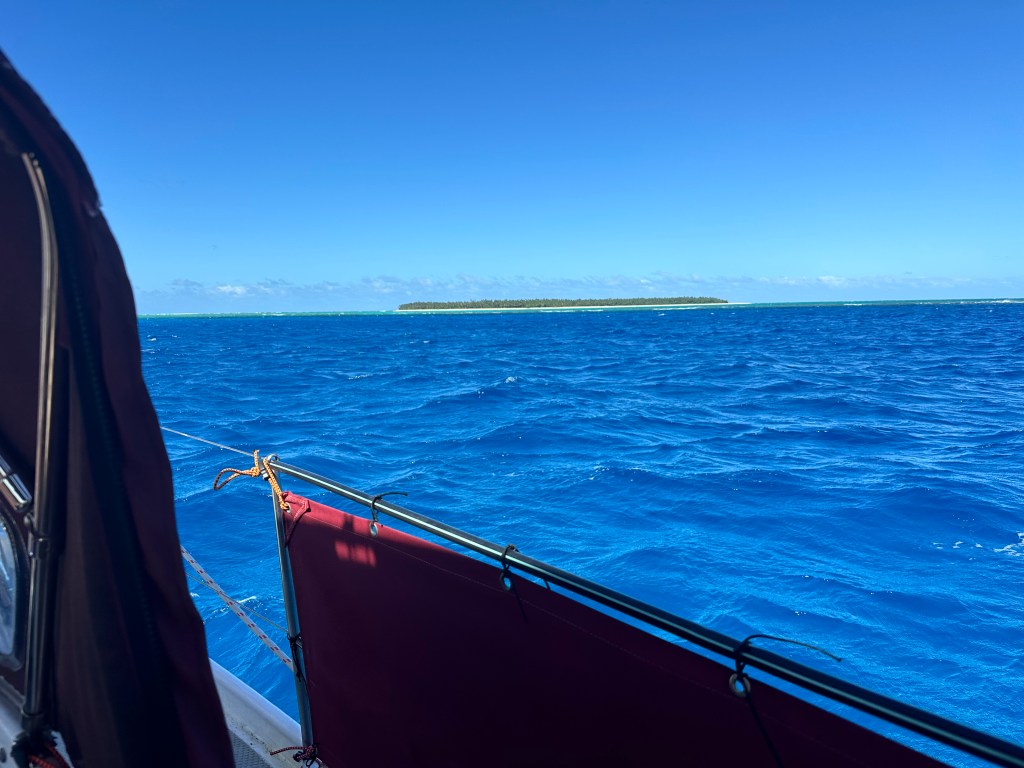
The sail was fast and fun, but the anchorage at Ofalanga, ringed by coral, was exposed to the wind and pretty marginal. Having come such a long way to go snorkelling, Cara and I decided to give it a go. Getting the engine onto the dinghy as it bucked around in the waves was pretty challenging, and I was mindful that if the engine failed and we couldn’t get back to Taurus in the rough conditions then our next stop was Fiji. There are no inhabitants on Ofalanga so you can’t expect assistance if things go wrong. With this in mind we took a Personal Locator Beacon (PLB) as well as a VHF for the ride to the reef so we had a backup plan if things went ‘pear shaped.’
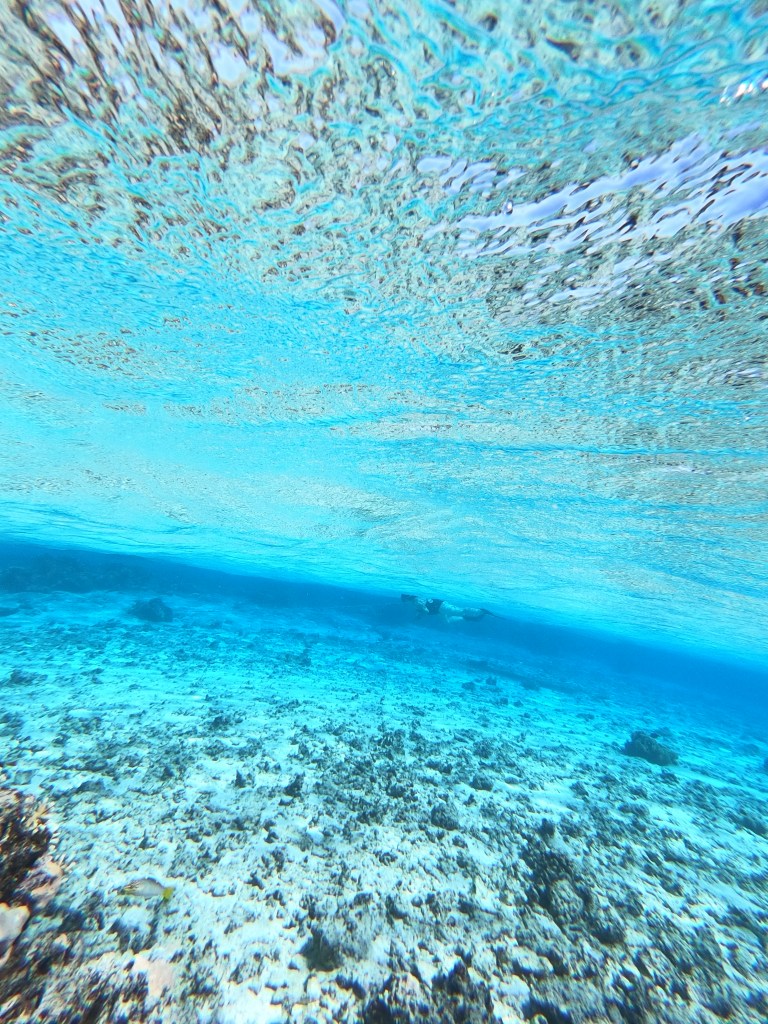
The weather made the dinghy ride to the reef a bit dodgy, but we found a gap and made our way into sheltered water. Inside it was a bit shallow, and we had to avoid coral heads that we didn’t want to damage, and that could potentially damage the dinghy. So far from habitation the water was beautifully clear, but we didn’t see a huge number of fish — probably because they were in deeper water which was difficult for us to access.

Returning to the boat we got the engine off and the dinghy back aboard. We had a decision to make, either stay on anchor overnight and leave for Vava’u in the morning, or leave later that evening and sail through the night. Ideally you would not leave an anchorage surrounded by reefs at night, or arrive at a new island and have to anchor in the dark, but Viva’u was ten hours sailing away so we couldn’t have it both ways. In the end the boat was bouncing around so much that staying wasn’t really feasible. So at 9pm that night we pulled up the hook and carefully headed back out to sea.
The night’s sail was fine, if a bit rough in the fresh breeze, and the timing of our arrival was near perfect, Vava’u appearing on the horizon just as the sun rose. We were both very tired though, two nights with almost no sleep had taken its toll.
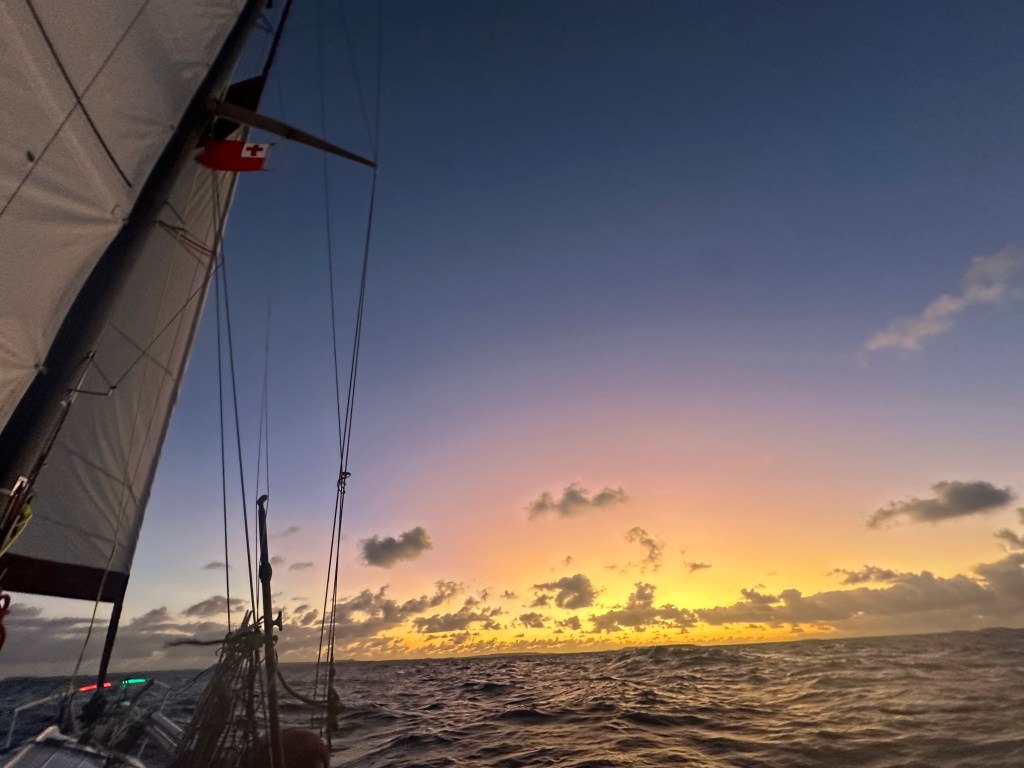

Vava’u is the northern most island group in Tonga, and has a reputation for great cruising and a more commercial approach to tourists. Naturally we had to check in on arrival, but the government gives cruisers 48 hours to do so, so the priority was to find an anchorage and get some sleep.
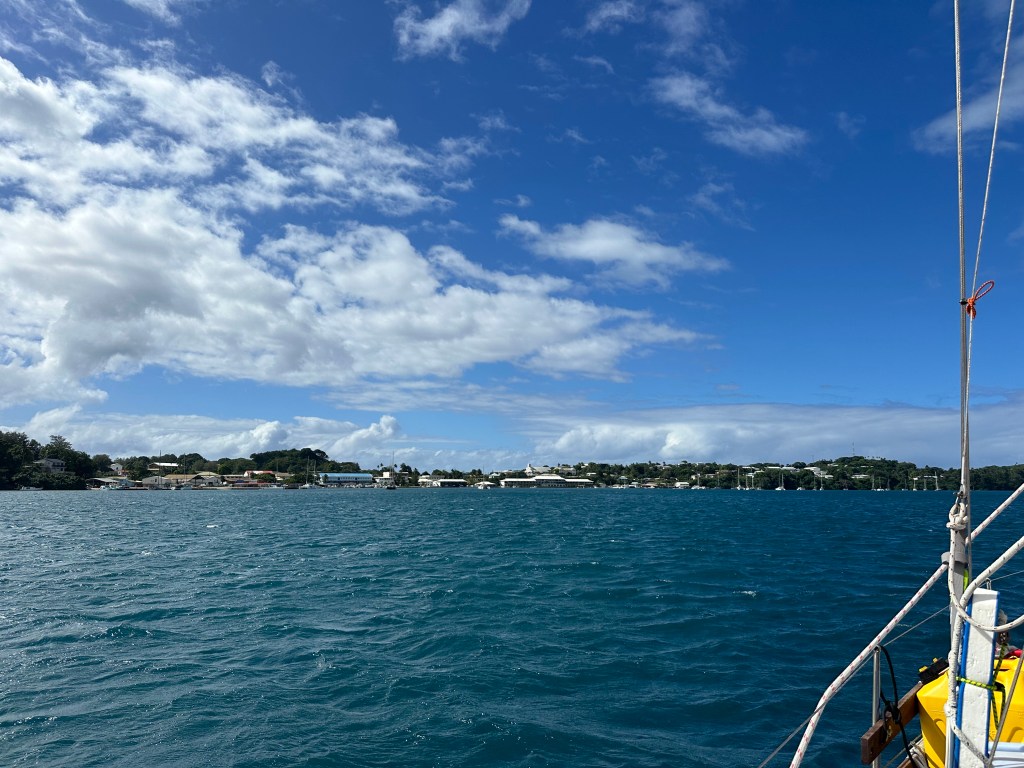
Next day we sailed into the harbour in which Vava’u’s main town, Neiafu, is sited. The bay was full of yachts in a large mooring field and there was little room to anchor so we got on the radio and organised ourselves a mooring for TOP$20 a night.
Neiafu is a picturesque little town that consists of more or less one main street. The shops were asian run supermarkets (more like what we would call dairies in NZ), a market, several restaurants, a bank, and a small chandlery.
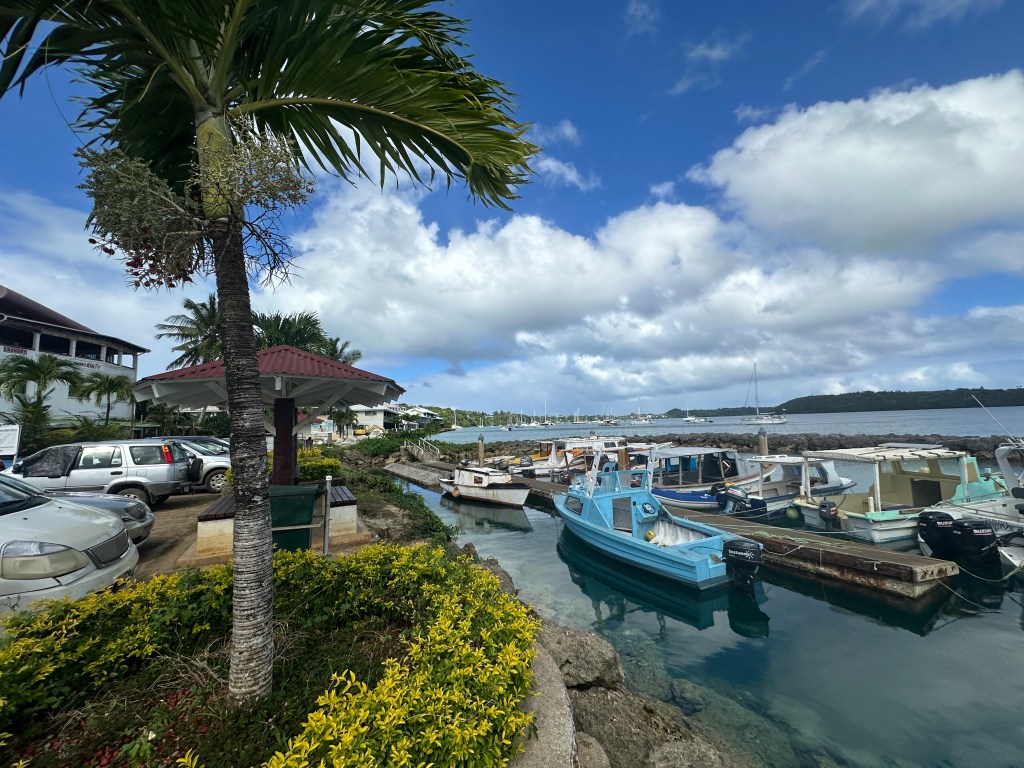
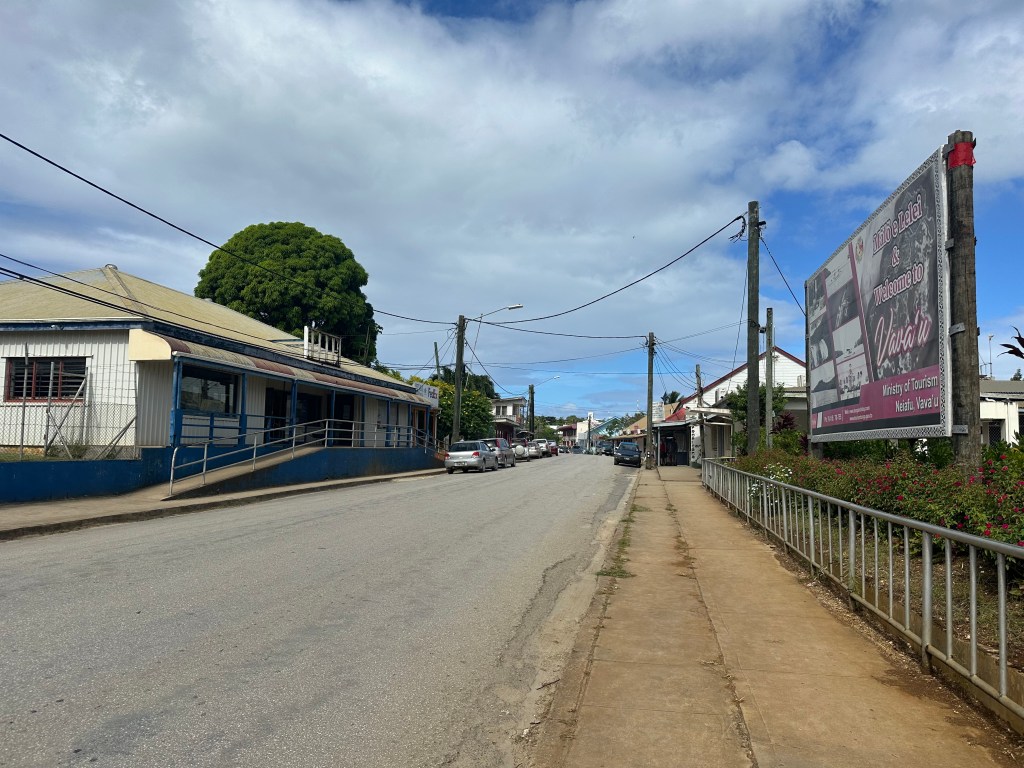
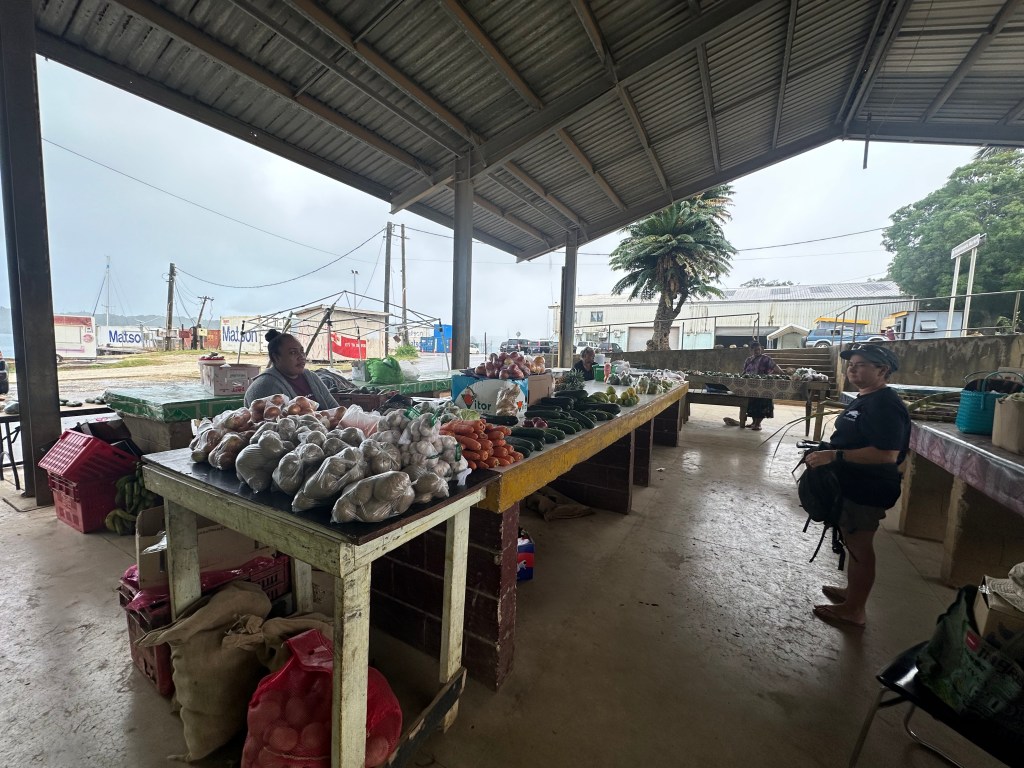
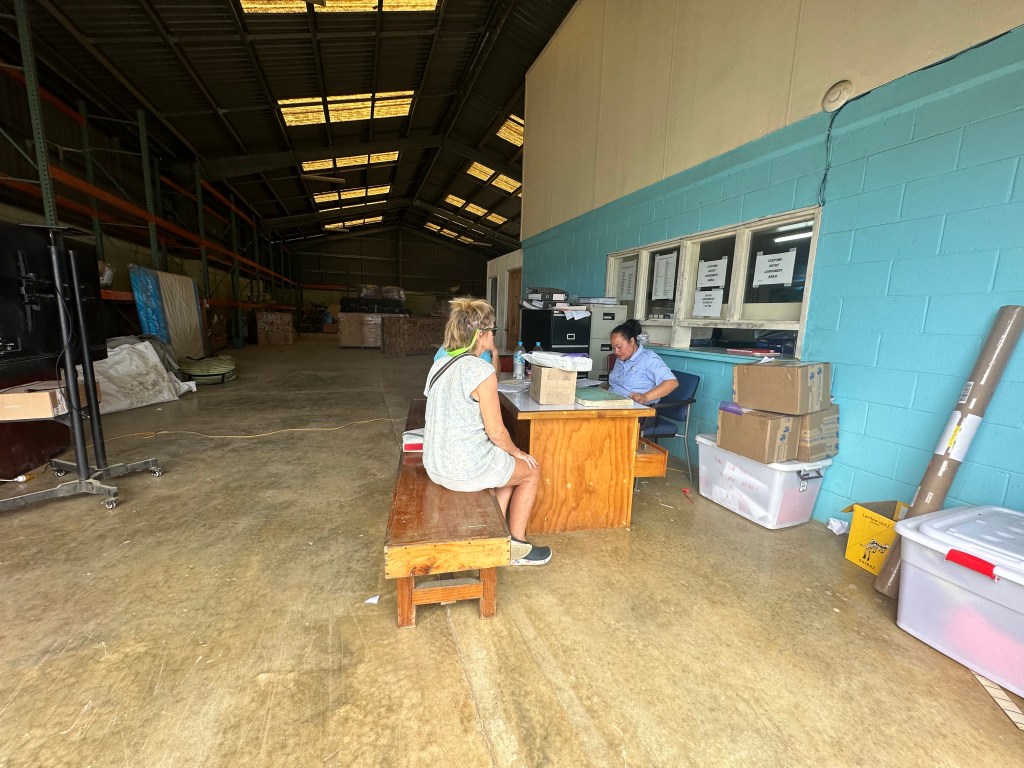
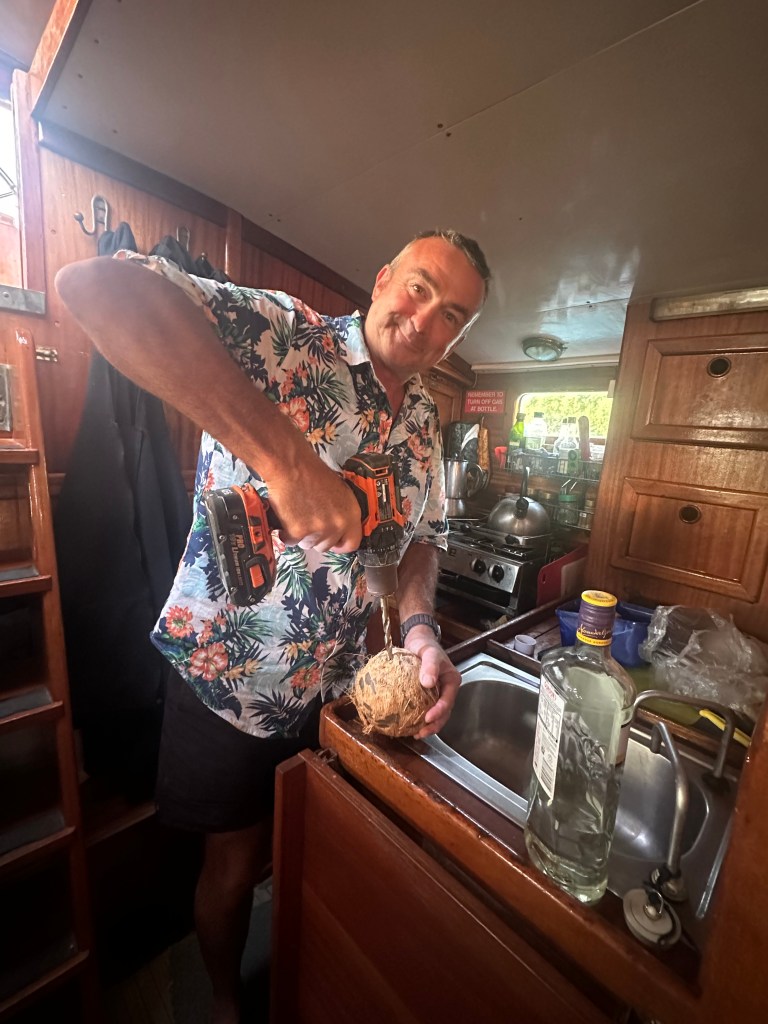
After clearing into the island group we wandered around town to stock up on groceries, found some cheap beer, and got some cash out. Then it was back to Taurus, after getting the dinghy off the rocks where she’d been left high and dry when the tide went out. That night we were entertained by the fruit bats in the nearby trees, and found a natural solution to the problem of running out of mixers for sundowners. A coconut, a drill, and a slightly inebriated operator — what could go wrong?
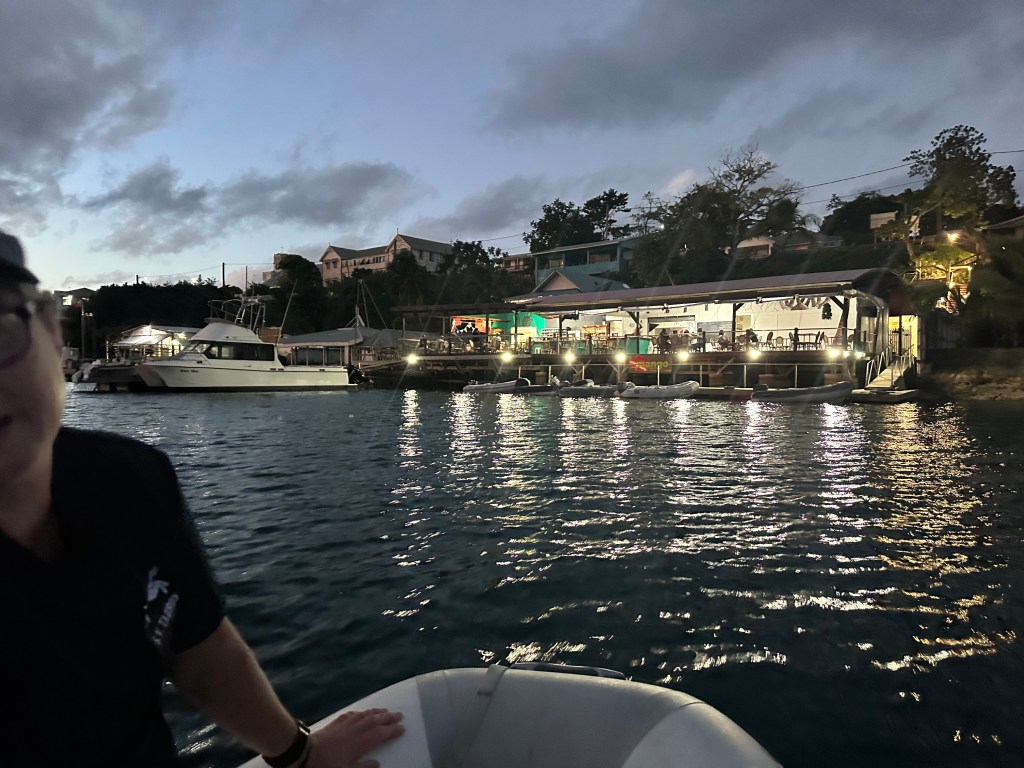
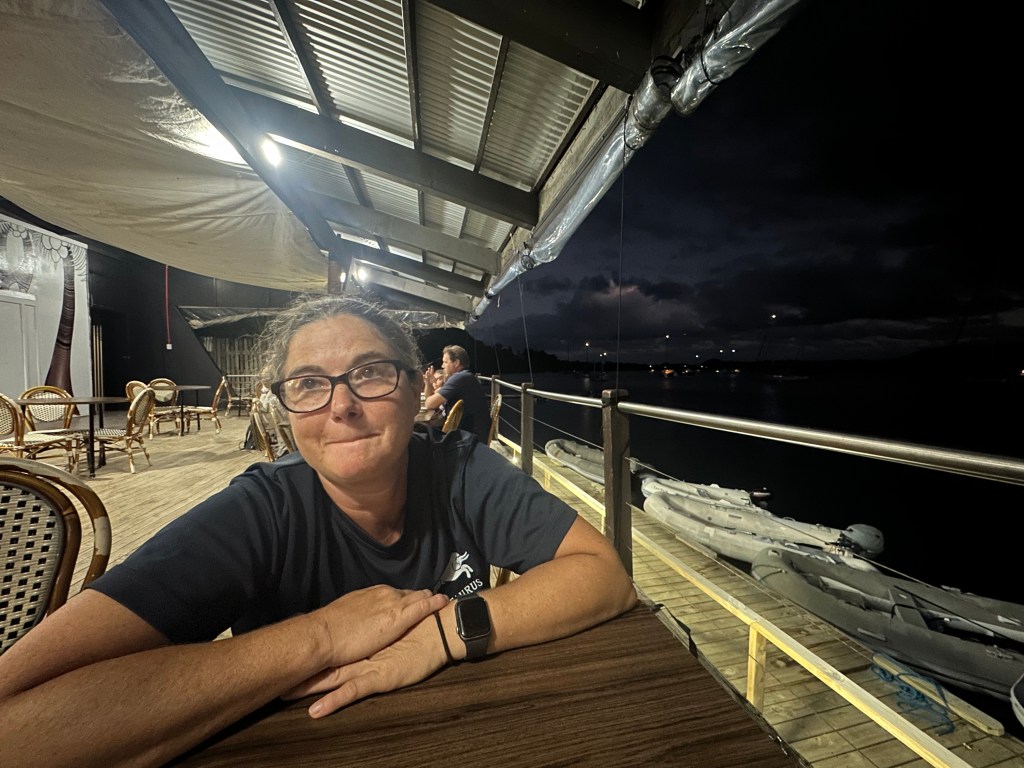
We were both still pretty tired, and as neither of us could be bothered to cook we went in search of dinner and found a lovely waterside restaurant where the waitress gave us lessons on how to swear in Tongan.

There being no rest for the wicked, we carried out an oil change the following morning. We try to change Taurus’ oil every hundred hours of engine running time, and we had found another small oil leak that we hoped might cure itself with a thicker oil. Of course it didn’t, but at least the oil coming out was now nice and clean.
In the afternoon we said adieu to Neiafu and headed out to a nearby anchorage. We wanted to visit two local attractions: Swallows Cave and Mariners Cave. These caves have been carved out of the coastal cliffs, but the water is too deep to anchor a yacht close by so they have to be accessed by dinghy. The anchorage we had chosen was as close as we could get, leaving us a dinghy ride of about forty minutes to get there.
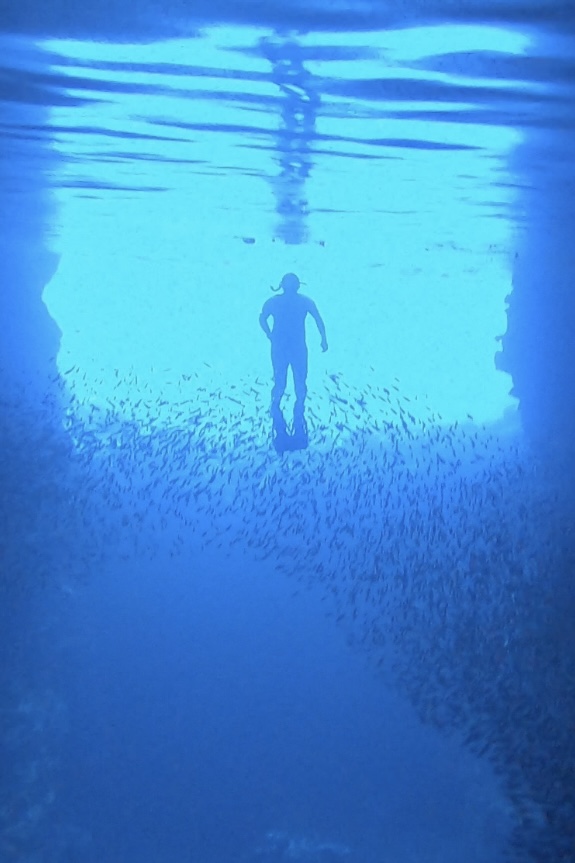
I didn’t expect a great deal from Swallows Cave as another cruiser had told us that the cave had been vandalised badly. Still, it was pretty neat to drive the dinghy into a cave, and the vandalism wasn’t too bad. Luckily we decided to go for a snorkel, which lead to a magical experience. Inside the cave was a massive school of small fish and one or two slightly larger fish of a different species. The school melted into different shapes like a living lava lamp and hollowed out to allow the other fish to pass through. We were both transfixed and took a short video for posterity. The video can be found on YouTube here: https://www.youtube.com/watch?v=7SFl1PKMccI

Next morning we moved and re anchored closer to Mariners Cave. I was a bit nervous about about this trip as it involves diving into a cave and surfacing on the inside in an air pocket. I’m not a great swimmer, my lungs aren’t great after being abused by cigarettes in my youth, and the idea of being trapped under water is one of my least favourite. However, we were fortified by other cruisers telling us that it was no more difficult than diving under the keel of your boat, which I don’t find particularly easy, but hey, how hard could it be?
The location of the cave is provided by lat and long, which gives some room for error. After finding somewhere to anchor the dinghy in the rough vicinity we could see a cave, but weren’t sure it was the right one. We had been told that you could see the air pocket from the outside, but that perhaps depended on the time of day or conditions, because we could see nothing. I wasn’t keen to dive into a cave and find that there wasn’t an air pocket because we were in the wrong place. After a lot of pussy footing around and diving down and back up, Cara thought she could see the air pocket. Getting a bit sick of the exercise and ashamed of my fear I dove down and popped up in the air pocket. A big relief! The inside of the cave was naturally difficult to see, but the light shining through the water from the outside was beautiful. The Go-pro chose this time to go on the blink so we had to go back to the dinghy to fix it and then videoed our going in a second time . We posted this on You Tube, so that it hopefully provides a measure of safety and reassurance for other visitors in the future. For those interested the videos can be found here: https://www.youtube.com/watch?v=oTO1JVpG2do
https://www.youtube.com/watch?v=gLpi7E5KkjU
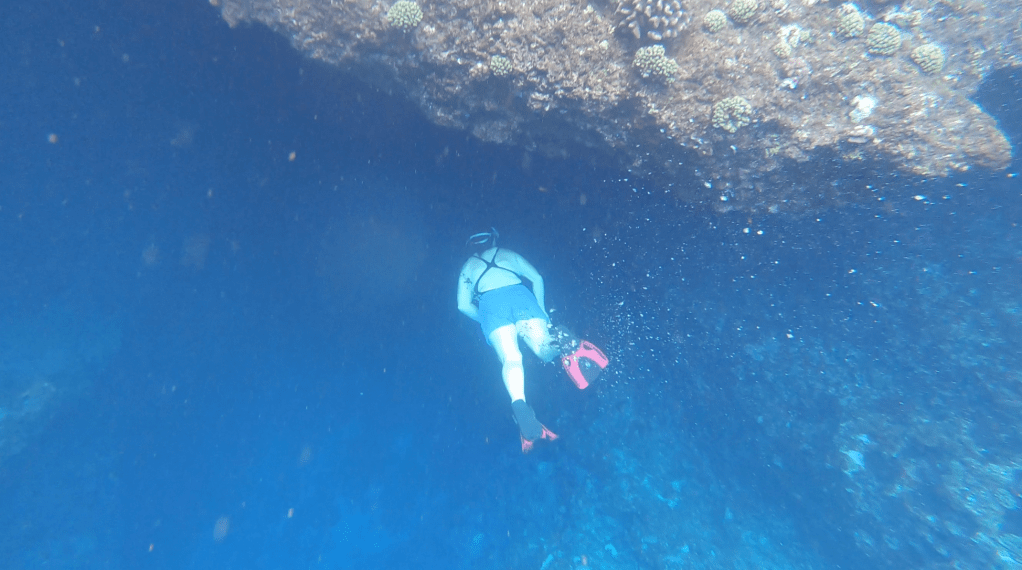
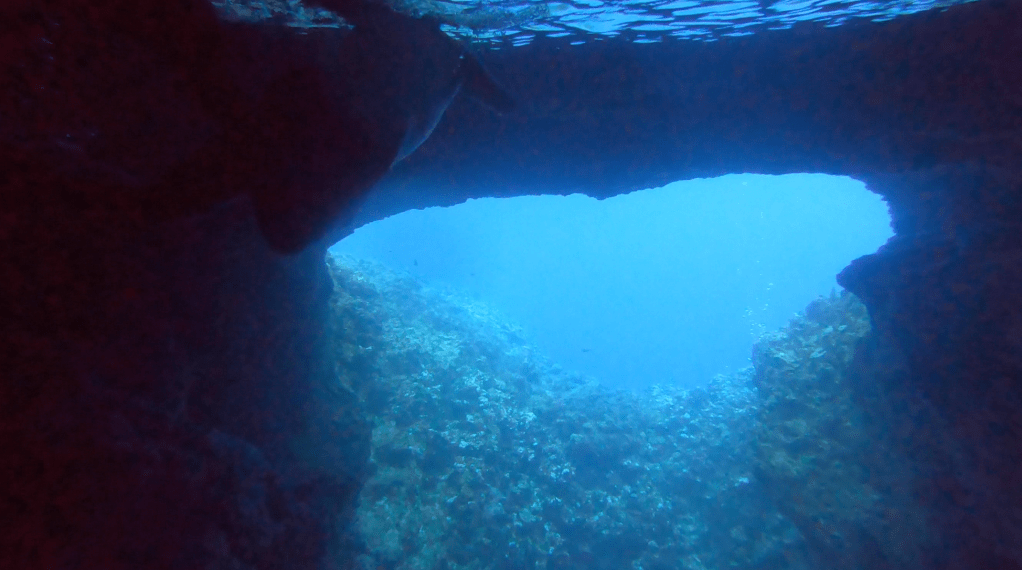

A few days after our visit to the cave we were telling friends of ours how we had messed about for so long because we were nervous about the dive. They had just arrived in Viva’u and their faces fell. They asked if we had heard the news from Fau. We had no idea what they were talking about but clearly something terrible had happened. Still obviously traumatised by the event they told us that JJ, Darren’s eighteen year old son, had drowned free diving just a couple of days after we left. There had been a nightmare scenario with people being called on the radio to assist with their dinghies, but confusion about who was being asked and where they were supposed to go. Eventually JJ was rescued, but after twenty minutes underwater the attempt to resuscitate him was unsuccessful.
We met JJ when we were at Fau. He was a friendly, confident, athletic young man. It turned out that he was going to represent Tonga at the olympics in kite surfing. We can only imagine the impact that his passing will have on Darren, Nina, and their family.
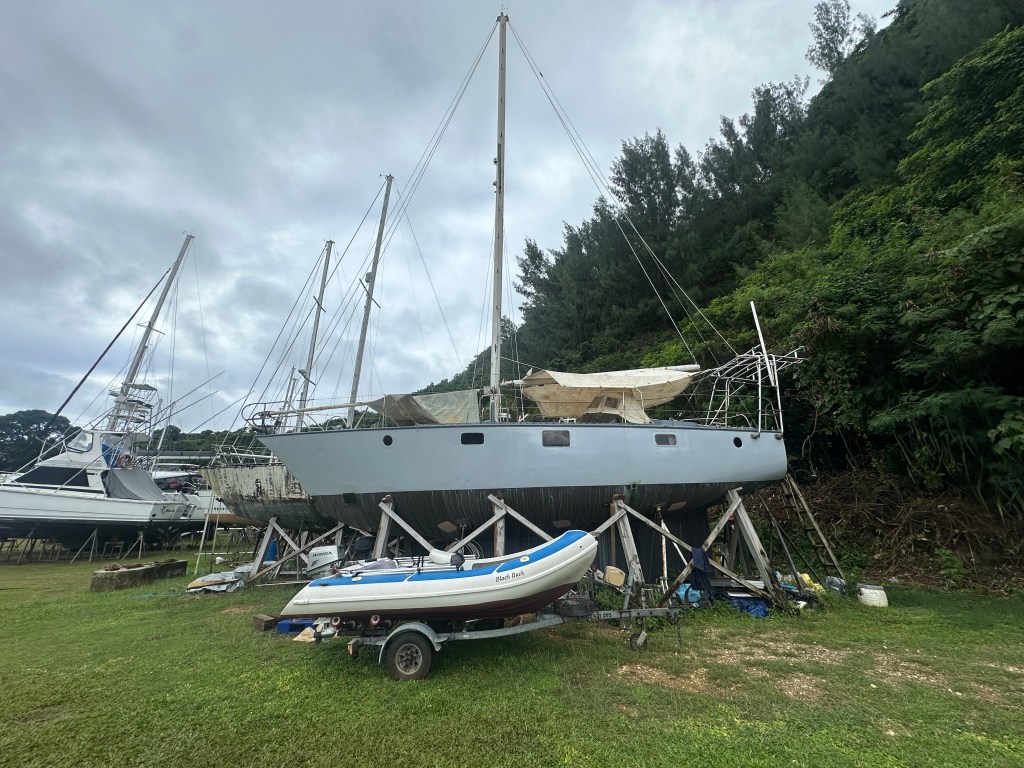
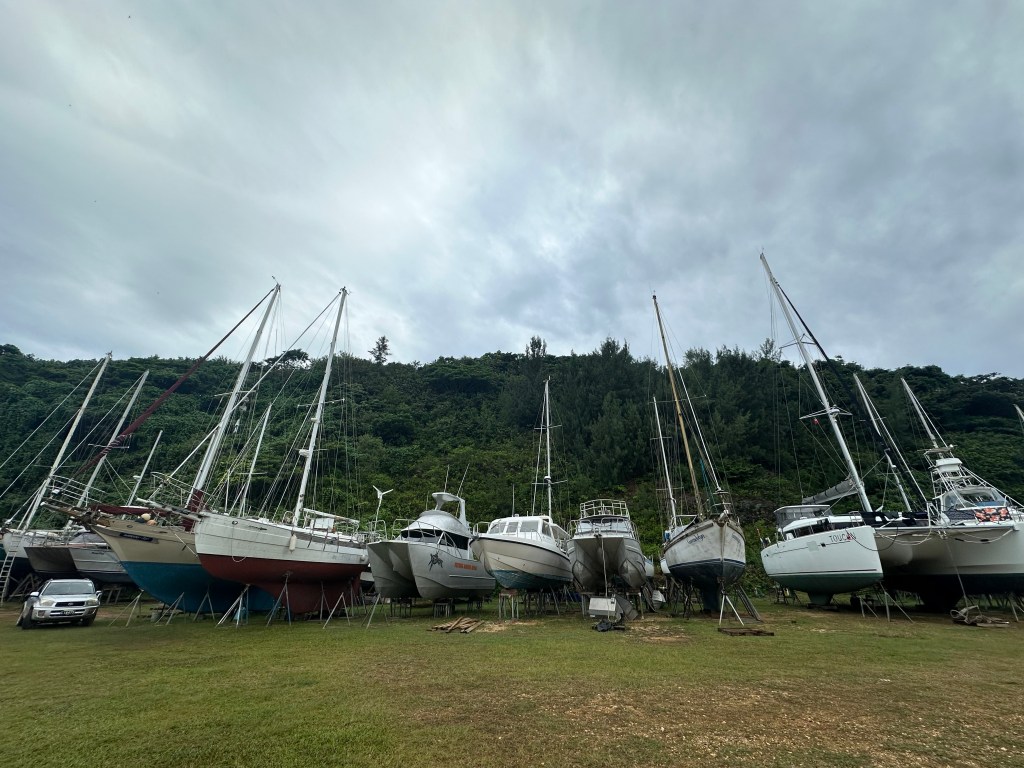
The rest of our stay was pretty quiet. One day we wandered around a hardstanding for yachts where we found one boat very similar to Taurus. I hate to think of the difficulties involved in undertaking a major boat project in Tonga, where everything is expensive and many everyday things simply unavailable. For example, I was quoted TOP$150.00 for a plate of stainless steel 200mmx100mmx4mm that I would expect to pay about $20 for in NZ. After four weeks in Tonga we had the choice to extend our visas, at the cost of TOP$70 each, or leave. We both felt that it was time to move on, Fiji was beckoning.

Next time, we leave Tonga, shred our spinnaker, and after four days arrive in Fiji…


 Sailing Taurus NZ
Leave a comment